 Astrand Electronic
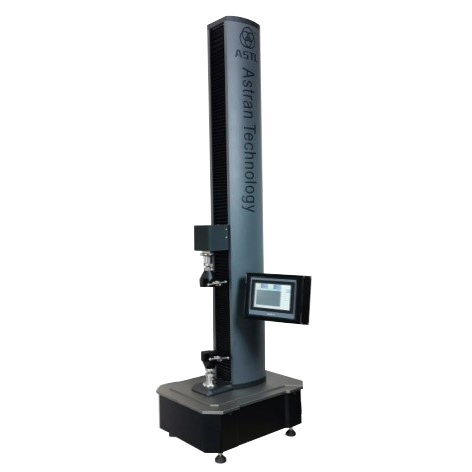
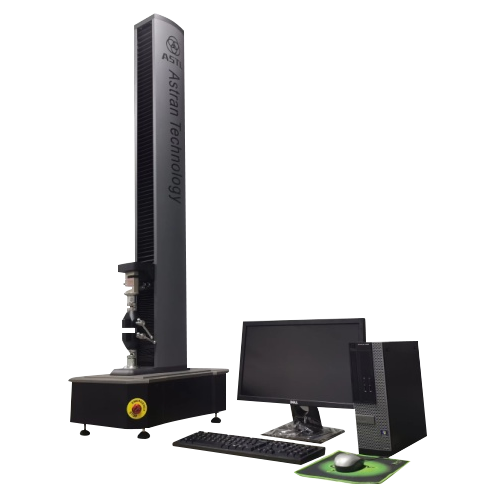
Electronic Fiber Tensile Strength Test Machine (Single Column ) ASTRAND
View more




中文
English


24-Hour Hotline
+86 130 6682 0203 Sarah

E-mail Us
sarah@astrand-martindale.com

Categories
New Products


Research on the application of washing color fastness testing technology in textiles
Time: 2024-10-30 12:54:52
Author: Sarah
From: Dongguan Astrand Electronic Technology Co.,Ltd
Click:
Research on the application of washing color fastness testing technology in textiles

Washing color fastness refers to the ability of textiles to maintain their color stability under a variety of washing conditions. This indicator is an important basis for evaluating the use value and quality of textiles. The level of washing color fastness directly affects consumer satisfaction with the product and the market competitiveness of the product. This article will explore in depth the differences and similarities between China's washing color fastness testing standards, including GB/T3921-2008 "Textiles Color Fastness to Soaping Color Fastness" and GB/T12490-2007 "Textiles Color Fastness Test Color Fastness to Home and Commercial Washing", and provide tips and suggestions on the selection of relevant textile washing color fastness testing technology. By comparing and analyzing these standards, it aims to help textile manufacturers and testing agencies better understand and apply these standards, thereby improving product quality control and market competitiveness.
1. Comparison of standards
1.1 Washing color fastness test standard
At present, the latest standard for washing color fastness of textiles in my country is GB/T3921-2008 "Textiles Color Fastness to Soaping Color Fastness". This standard is a comprehensive revision of the 1997 GB/T3921.1-5 standard and was officially implemented on December 1, 2008. The new standard integrates the five parts of the old standard and makes important revisions and adjustments to key links such as interlining selection, combined sample cleaning and rating methods. The formulation of this standard refers to the international standard ISO 105-C10:2006 "Textiles - Tests for colour fastness - Part C10: Colour fastness to washing with soap or soap and soda", which is a small test method designed to quickly predict the colour fastness of textiles to washing in the laboratory. The method covers five washing methods from mild to severe, and the experimental temperature range is between 40℃ and 95℃, making the test process more flexible and comprehensive.
1.1.1 Principle
The basic principle of the washing fastness test is to sew the textile sample with one or two pieces of specified interlining fabrics, and then put them into soap solution or a mixture of soap and anhydrous sodium carbonate. At the specified time and temperature, the sample is mechanically stirred and then rinsed and dried. Finally, the discoloration degree of the sample and the staining of the adjacent fabric are evaluated by using a gray sample card or other professional instruments. This process not only examines the color change of the textile during washing, but also evaluates its staining effect on other fabrics, thus providing a scientific basis for product quality control.
1.1.2 Selection of adjacent fabrics
In the test of color fastness to washing, the selection of adjacent fabrics is crucial. Single fiber adjacent fabrics or multi-fiber adjacent fabrics can be used in the test. Single fiber interlinings should comply with multiple national standards, such as:
① GB 7565-1987 "Textiles Color Fastness Test Cotton and Viscose Standard Interlining Fabric Specifications"
② GB/T7568.1-2002 "Textiles Color Fastness Test Wool Standard Interlining Fabric Specifications"
③ GB 11403-1989 "Textiles Color Fastness Test Polyester, Polyacrylonitrile, Silk and Other Standard Interlining Fabric Specifications"
④ GB/T13765-2002 "Linen and Ramie Standard Interlining Fabric Specifications"
⑤ ISO 105-F07-2001 "Textiles Color Fastness Test Multi-fiber Standard Interlining Fabric Specifications"
When selecting interlinings, the fiber composition of the fabric being tested and its main usage scenarios should be considered. For example, when testing the color fastness to washing of blended fabrics, the first interlining is usually selected from the main fiber, and the second interlining is selected from the secondary component to ensure the accuracy and representativeness of the test results. Reasonable interlining selection can effectively improve the reliability of the test, thereby more truly reflecting the performance of textiles in actual use. These detailed requirements and standards provide a higher basis for quality control in the textile industry, helping manufacturers to improve the market competitiveness of their products.
The main fiber in the fabric composition is selected for blended fabrics and the first single fiber interlining; the secondary fabric in the fabric composition is selected for the second interlining [taking polyester/cotton/acrylic (50/40/10) blended fabric as an example, the first single fiber interlining of its water washing color fastness is polyester, and the second interlining is cotton]. The first single fiber interlining of pure fabrics is selected from the same fiber, and the second interlining is selected according to Table 1.
Table 1 Selection of single fiber interlinings for water washing color fastness of pure fabrics
First lining | Second lining | |
40℃ and 50℃ tests | 60℃ and 95℃ tests | |
Cotton | Wool | Viscose |
Wool or Silk | Cotton | - |
Linen | Wool | Viscose |
Viscose | Wool | Cotton |
Acetate | Viscose | Viscose |
Polyamide | Wool or Cotton | Cotton |
Polyester | Wool or Cotton | Cotton |
Polyacrylonitrile | Wool or Cotton | Cotton |
Multi-fiber interlining is composed of multiple fibers. Because of its different structure, yarn count and density from single fiber interlining, the staining effect is also different. Taking the commonly used SDC multi-fiber adjacent cloth DW as an example, the test is carried out according to the GB/T3921A(1) method. The comparison results are shown in Table 2.
Table 2 Differences in staining between single fiber interlining and multi-fiber interlining
Sample name Pure cotton fabric | Multi-fiber adjacent fabric staining/grade | Single fiber interlining | ||||||
Wool | Acrylic | Polyester | Nylon e | Cotton | Diacetate | |||
Wool/acrylic fabric | 2-3 | 4-5 | 4-5 | 3 | 4 | 4 | Wool 3 | Cotton 4 |
Polyester/cotton fabric | 4 | 4 | 4 | 3 | 3 | 4-5 | Wool 4 | Nitrile 4 |
Cotton/nylon fabric | 4 | 4-5 | 4-5 | 3-4 | 2-3 | 4 | Polyester 4 | Cotton 3 |
Sample name | 3-4 | 3-4 | 4 | 3 | 4 | 3-4 | Nylon 2-3 | Cotton 3-4 |
From Table 2, we can see that after the same fabric is washed under the same conditions, there is a certain difference in the staining of the corresponding interlinings in the single fiber interlining and the multi-fiber interlining. In Table 2, the wool staining of pure cotton fabric, the polyester staining and cotton staining in polyester/cotton fabric, and the nylon and cotton staining in cotton/nylon fabric have a difference of half a grade between the test results of the two interlinings.
1.2 Test for color fastness to home and commercial washing
GB/T12490-2007 "Textiles - Tests for color fastness - Color fastness to home and commercial washing" is a revised version of the 1990 GB/T12490 standard, which was officially implemented on July 1, 2008. This standard combines the international standard ISO 105-C06:1994 "Textiles - Tests for color fastness - Part C06: Color fastness to home and commercial washing", and makes important revisions and improvements to the control of interlining, test solution related parameters, and drying methods. This method is designed to determine the color durability of various textiles under general home or commercial washing conditions. Its scope of application covers a variety of textile materials and meets the market demand for high-quality products.
In the test, the equipment requirements used are similar to those of the GB/T 3921-2008 standard, and the operating procedures are also consistent, ensuring the comparability and consistency of the test. It should be noted that the detergent used in this standard should not contain fluorescent brighteners to avoid interference with the test results. The optional standard detergents include AATCC WOB detergent or ECE detergent, which is different from GB/T3921-2008, reflecting the strict requirements for the control of detergent ingredients.
Washing conditions and test numbers
GB/T12490-2007 provides 16 different washing conditions (see Table 2 of the standard for details). The diversity of these conditions ensures that corresponding tests can be carried out according to the specific application scenarios and performance requirements of textiles. In my country, the most commonly cited washing methods are A1S and B2S in the test numbers. These two test conditions are suitable for different washing methods:
• A1S test conditions: usually used for washing color fastness tests of wool knitwear, low wool blends and wool-like knitwear, and decorative fabrics that are carefully hand-washed. The A1S test setting helps to simulate a milder washing environment in the home and is suitable for products that have higher requirements for washing methods.
• B2S test conditions: suitable for washing color fastness tests of machine-washable wool knitwear. Testing under such conditions is more rigorous and can simulate the stronger washing conditions in a commercial environment, providing manufacturers with real product performance data.
By implementing these standards, textile manufacturers can better understand the performance of their products in actual use, thereby improving quality control and customer satisfaction. In addition, these tests also provide consumers with greater confidence, making them more assured when choosing and using textile products.
Summary
The test standards for color fastness to home and commercial washing not only provide a scientific basis for the quality control of textiles, but also lay the foundation for the healthy development of the industry. As the market continues to improve the durability and quality of textiles, continued attention and compliance with these standards will have a positive impact on improving the market competitiveness and user satisfaction of products.
1.3 Comparison of standards for color fastness to washing
Although both GB/T3921-2008 and GB/T12490-2007 involve test methods for color fastness to washing, there are obvious differences between them. The following will analyze the core differences between the two standards in detail to better understand their differences in practical applications.
1.3.1 Scope of use, detergents and rating tools (Table 3)
Table 3 Differences between the two standards in terms of scope of application, detergents, and rating tools
Standards | Scope of application | Rating tools | Detergent Selection |
GB/T3921 -2008 | Test for color fastness of all types of household textiles to water washing. | Standard gray scale or spectrophotometer | Soap without fluorescent brightener, anhydrous sodium carbonate can be added if necessary. |
GB/T12490-2007 | Test method for color fastness of household textiles to household and commercial washing. Single S test, close to one household and commercial washing; one composite M test, close to five times of household and commercial washing at no more than 70℃ | Standard gray scale | AATCC standard detergent without fluorescent brightener WOB or ECE standard detergent, anhydrous sodium carbonate can be added if necessary |
1.3.2 Test parameters
GB/T3921-2008 has 5 washing methods, while GB/T12490-2007 has 16 washing methods. The commonly used test parameters are shown in Table 4.
Table 4 Comparison of test parameters
Standards | Test solution preparation/L | Test solution volume
| Temperature/℃ | Time/min | Number of steel balls/piece | |
GB/T3921 -2008 | A (1) | 5g soap powder | bath ratio 1:50
| 40 | 30 | - |
B (2) | Same as above | 50 | 45 | - | ||
C (3) | 5g soap powder + 2g sodium carbonate | 60 | 30 | - | ||
D (4) | Same as above | 95 | 30 | 10 | ||
GB/T12490-2007 | A1S | 4g detergent | 150ml | 40 | 30 | 10a |
B2S | 4g detergent + 1g sodium perborate | 50 | 30 | 25a | ||
Note: a) For wool, silk and their blended high-grade fabrics, steel balls are not used in the test.
1.3.3 Interlining and test methods
The use of different types of interlinings will lead to differences in test results. In the experiment, two pieces of fabrics with different compositions and colors were taken, and multi-fiber and single-fiber interlinings were selected respectively, and five water washing color fastness test methods in two standards were used for comparison. The relevant results are detailed in Table 5.
Table 5 The influence of different test methods and interlinings on test results
Method | Wool/polyester red fabric | |||||||||
Multi-fiber interlining staining/grade | Color change/level | Single fiber interlining staining/grade | Color change/level | |||||||
Wool | Polyester | Acrylic | Nylon | Cotton | Acetate | Wool | Polyester | |||
GB/T3921-2008A (1) | 3-4 | 3 | 2-3 | 2 | 1 | 3 | 4-5 | 3 | 3 | 4-5 |
GB/T3921-2008A (2) | 2-3 | 3 | 2-3 | 2 | 1 | 3 | 4-5 | 2-3 | 3 | 4-5 |
GB/T3921-2008A (3) | 2 | 3 | 2-3 | 1-2 | 1 | 2-3 | 4 | 2 | 2-3 | 4-5 |
GBT12490-2007A1S | 3-4 | 3 | 2-3 | 2 | 1 | 3 | 4-5 | 3 | 3 | 4 |
GB/T12490-2007B2S | 2-3 | 2+3 | 2-3 | 2 | 1 | 3 | 4-5 | 2-3 | 3 | 4-5 |
Method | Viscose nylon (73/27) black fabric | |||||||||
Multi-fiber interlining staining/grade | Color change/level | Single fiber interlining staining/grade | Color change/level | |||||||
Wool | Polyester | Acrylic | Nylon | Cotton | Acetate | Wool | Polyester | |||
GB/T3921-2008A (1) | 3-4 | 3-4 | 3-4 | 2-3 | 3-4 | 3-4 | 4-5 | 3-4 | 2-3 | 4-5 |
GB/T3921-2008A (2) | 3 | 3-4 | 3 | 2 | 3 | 3-4 | 4-5 | 3 | 2 | 4-5 |
GB/T3921-2008A (3) | 2-3 | 3-4 | 3 | 1-2 | 3 | 3 | 4 | 2-3 | 1-2 | 4-5 |
GBT12490-2007A1S | 3-4 | 3-4 | 3-4 | 2-3 | 3-4 | 4 | 4-5 | 3-4 | 2-3 | 4-5 |
GB/T12490-2007B2S | 3-4 | 3-4 | 3-4 | 2 | 3-4 | 3 | 4-5 | 3-4 | 2 | 4-5 |
As can be seen from Table 5, even under the same washing method, choosing different types of interlinings will lead to significant differences in the test results of color fastness. Specifically, if the same fabric uses the same interlining and the washing method is different, the test results will also fluctuate greatly. In addition, as the washing temperature increases, the level of color fastness to staining usually decreases, but the degree of discoloration of the sample may not change significantly.
Therefore, it is crucial to clarify the washing method and interlining type before conducting the water washing color fastness test. Otherwise, the test results will lose comparability, which will have an adverse impact on the quality control and product evaluation of the industry. In my country's national standards and industry standards, the color staining test of water washing color fastness mainly focuses on the color staining performance of the main components in the fabric. However, in export trade, buyers often choose the interlining materials that are most susceptible to staining, such as nylon or silk, to evaluate the water washing color staining effect of the fabric. This difference may lead to significant deviations in the judgment conclusion of the same product, which in turn affects the market recognition of the product and the smooth progress of trade. Therefore, understanding and following appropriate standards and test methods are essential to ensure product quality and reduce trade risks.
2. Tips for selecting the testing technology for color fastness to washing
According to my country's product standards and actual usage, the selection of color fastness to washing tests should be based on different categories of products, such as fabrics, clothing (accessories) and home textiles. The following are specific selection methods and suggestions for each type of product:
2.1 Fabrics
When testing the color fastness to washing of fabrics, the washing method should be selected based on the final use of the fabric. If the use is unclear, the following guidelines can be used:
2.1.1 Silk, viscose, wool, and nylon fabrics:
It is recommended to refer to GB/T3921-2008A(1), and the test temperature is set to (40±2)℃.
This type of fabric is usually used for high-end clothing and accessories, and special attention should be paid to its color fastness to maintain the appearance and quality of the product.
2.1.2. Cotton, linen, polyester, and acrylic fabrics:
GB/T3921-2008C(3) is applicable, and the test temperature is (60±2)℃.
These fabrics are widely used in daily clothing and household items, and their color fastness to washing directly affects the consumer experience.
2.1.3. New fibers:
For example, the testing of Lyocel, Modal, milk protein and soy protein fibers should be based on their fiber characteristics and dyeing process. The GB/T3921-2008A(1) standard is usually selected, and the test temperature is (40±2)℃.
The performance of these materials is closely related to the trend of sustainable development, and special attention should be paid to their environmental protection properties and water washing resistance.
2.2 Clothing (accessories)
2.2.1. Knitted clothing:
Including knitted casual wear, body shaping underwear, thermal underwear, knitted skirts, knitted infant clothing, socks and bras, etc., all should refer to the GB/T3921-2008A(1) standard, and the test temperature is set to (40±2)℃.
Knitted clothing is widely popular for its comfort and elasticity, but it is necessary to ensure that its shape and color are maintained after washing.
2.2.2. Wool knitwear:
For wool sweaters, select the A1S and B2S methods in GBT12490-2007 according to the washing requirements. Use A1S for hand washing and B2S for machine washing.
The color fastness of such products is related to the consumer's wearing experience and the maintenance cost after washing.
2.2.3. Woven clothing:
For denim, single jackets, skirts, infant clothing and jackets, the GB/T3921-2008C(3) method should be used, and the test temperature is (60±2)℃.
Especially for traditional fabrics such as denim, the color fastness test to washing not only affects the appearance, but also the brand image and market competitiveness.
2.3 Home textiles
2.3.1. Towels and bedding:
According to relevant industry standards, the color fastness to washing test should be carried out according to GB/T3921-2008C, and the test temperature is (60±2)℃.
The color fastness to washing of home textile products directly affects the health and comfort of consumers and must be strictly controlled.
2.3.2. Decorative fabrics:
The test method for color fastness to washing should refer to the A1S condition in GB/T12490-2007. If the product instructions indicate gentle washing or hand washing, steel balls can be omitted during the test.
The color matching and design of decorative fabrics must be consistent in the washing test to ensure the visual effect of the final product.
3. Recommendations
3.1. Choose the appropriate washing method and interlining:
When testing the color fastness to washing of textiles, the selection should be based on relevant standards and trade requirements. Single fiber interlining can be selected for domestic trade products, while multi-fiber interlining is often used for foreign trade products to ensure the comparability of test results.
3.2. Representativeness of sample sampling:
The test sampling must be representative, especially in printed products, to ensure that each color is sampled, and pay attention to the correspondence of pattern colors when rating. The representativeness of sampling will directly affect the credibility of the results.
3.3. Sample combination method:
For combined samples, the short sides are sewn. When the sample is yarn or loose fiber, the sample is half of the total amount of the adjacent fabric and sewn along the four sides. The scientific combination method helps to reduce test errors.
3.4. Preheating of the test solution:
Before the experiment, the test solution should be preheated to the test temperature, otherwise it may affect the accuracy of the test results. The temperature stability of the test solution is crucial to obtain consistent test results.
3.5. Precautions during rating:
During the rating process, ensure that the line of sight is perpendicular to the sample, the light source is at a 45° angle to the sample, and the distance is 30-40cm. For glossy samples, the light source should be perpendicular to the sample and the line of sight is at a 45° angle to the sample. Such lighting conditions can effectively avoid visual errors.
4. Conclusion
Due to differences in standards and methods, the test results of textile color fastness to washing may be significantly different. The assessment indicators of color fastness to washing of different products are also different. Even if the fabric is the same, the final product should follow different product standards, and the final judgment results may be very different. Therefore, my country's textile and garment enterprises need to have a deep understanding of the differences in the testing methods of various standards for color fastness to washing, and fully grasp the standard requirements and customer needs of different products to ensure quality control, reduce risks, and smoothly carry out textile trade.
In addition, enterprises should also establish an internal quality control system, conduct regular self-inspection and re-inspection of color fastness to washing, and ensure the competitiveness and credibility of products in the market. At the same time, as consumers' requirements for product quality continue to increase, enterprises need to continue to innovate and improve to cope with increasingly fierce market competition.

点击右上角
分享给朋友吧







 Long by picture save/share
0
Prev : Analysis of common questions about Martindale abrasion and pilling tester
Next : Tearing Tester: A Tool for Textile Quality Assessment
Your liking is the energy source that I persist in writing
YouArticle
已有0人推荐
CONTACT US
 No. 94, Chenwu Section, Guantai Road, Houjie
Town, Dongguan City
 E-mail: sarah@astrand-martindale.com
jack@astrand-martindale.com
 Tel: (+86) 186 8867 2626 Jack
 Tel: (+86) 130 668 20203 Sarah
HOT TAGS
LATEST NEWS
SUBSCRIBE
Please read on, stay posted, subscribe, and we welcome you to tell us what you think.
Copyright © 2022 Dongguan Astrand Electronic Technology Co., Ltd. All Rights Reserved | Log in
Copyright © 2022 Dongguan Astrand Electronic Technology Co., Ltd. All Rights Reserved