 Astrand Electronic
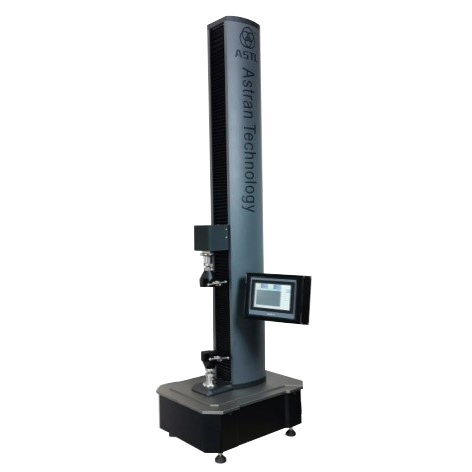
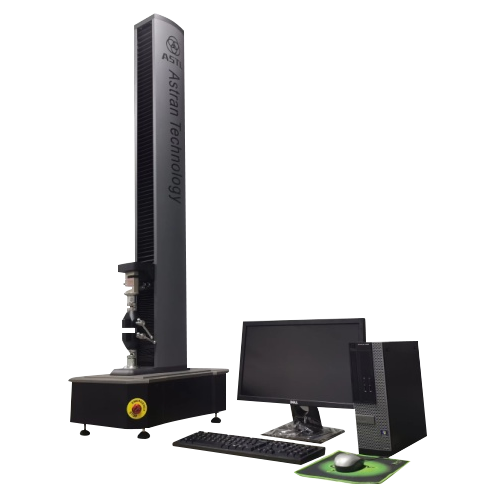
Electronic Fiber Tensile Strength Test Machine (Single Column ) ASTRAND
View more




中文
English


24-Hour Hotline
+86 130 6682 0203 Sarah

E-mail Us
sarah@astrand-martindale.com

Categories
New Products


Textile Pilling: Key Factors and Standard Testing Methods Explained
Time: 2025-09-05 14:58:36
Author: Sarah
From: Dongguan Astrand Electronic Technology Co.,Ltd
Click:
Pilling is one of the most critical performance indicators in textile quality assessment. It is a routine physical test, a direct quality benchmark, and one of the most common consumer complaints in apparel and home textiles. Pilling testing therefore plays a pivotal role in textile research, production control, and compliance with international standards.
When fabrics are exposed to repeated friction, abrasion, and wear during manufacturing, handling, or consumer use, fiber ends on the fabric surface may loosen, protrude, and form fuzz. If these fibers do not quickly detach, they entangle into small spherical clusters known as pills. This not only diminishes aesthetic appearance and fabric hand-feel, but also reduces market acceptance, especially for high-end garments and performance textiles.
This expanded guide presents a comprehensive analysis of the factors influencing pilling, mechanisms of pill formation, and the test methods used worldwide to evaluate anti-pilling performance. It integrates technical explanations, industry practices, laboratory testing requirements, and international standardization, with the aim of providing textile laboratory directors, R&D engineers, and quality managers a reference framework for decision-making.
The Pilling Formation Process
The process of pilling can be divided into four distinct stages. Understanding these stages is essential for controlling fabric behavior, selecting appropriate fibers, and designing test protocols that simulate real-world use conditions.
- Fluff (Initial FiberProtrusion)
- Fluff occurs when external forces (friction or abrasion) overcome the cohesive forces holding fibers within the yarn structure.
- Fiber ends protrude from the yarn surface, producing visible fuzz.
- Fabrics lose luster as light scattering increases due to uneven surface fuzz.
- Factors contributing to fuzz formation:
- Low yarn twist (fibers less tightly bound).
- Short fibers (more fiber ends per yarn length).
- Low fabric density (fibers more easily disturbed).
- Tangled into a Ball(Early Pilling)
- When fuzz density increases, neighboring fibers begin to intertwine due to repeated stretching, compression, and torsion forces.
- Loose fibers entangle into micro-balls, partially anchored to the yarn structure.
- Pills harbor dirt and soil, further deteriorating fabric aesthetics.
- At this stage, pills are small and not yet strongly bonded.
- Hairball Growth (PillConsolidation)
- Entangled balls increase in size as more loose fibers cling to them.
- Pills become more visible and resistant to detachment due to stronger anchoring fibers.
- Fabric surface roughness increases significantly, leading to consumer dissatisfaction.
- Hairball Shedding (PillRelease)
- Continuous mechanical action causes anchoring fibers to weaken.
- Pills eventually break away due to fatigue, bending, or tensile failure.
- Interestingly, fabrics with high pilling tendency may give an impression of low pilling because pills detach rapidly after formation, leaving the fabric temporarily smoother.
Fabrics Prone to Pilling
Certain fiber types and fabric structures are more susceptible to pilling. This has direct implications for product design, fiber selection, and consumer expectations.
- Wool and Wool Blends
- Knitted sweaters, woolen coats, worsted suits.
- Wool’s natural crimp encourages entanglement.
- Chemical Staple Fibersand Blends
- Polyester-cotton, polyester-viscose, acrylic-cotton.
- Polyester’s high strength resists breakage, anchoring pills.
- Lightweight KnittedFabrics
- Pure cotton stretch fabric, modal, viscose, Tencel, bamboo fiber.
- Regenerated fibers have low inter-fiber cohesion and high surface fuzz.
FabricCategory | Examples | PillingRisk Level |
Wool and wool blends | Sweaters, coats, cardigans | High |
Polyester blends | Polyester/cotton, polyester/viscose | High |
Regenerated cellulose fibers | Viscose, modal, Tencel | Medium to High |
| Pure cotton woven fabrics | Denim, shirting cotton | Low to Medium |
| Synthetic filament fabrics | Polyester filament, nylon filament | Low |
Factors Affecting Pilling and Standardized Test Methods
Pilling in textiles is a complex surface defect that arises when small balls of tangled fibers, known as pills, accumulate on the fabric surface. These pills are visually undesirable, negatively affecting both the appearance and the wear life of garments, upholstery, and technical textiles. Unlike simple surface fuzzing, pills form when fibers protrude from the yarn, entangle under friction, and anchor firmly into the fabric surface.
The severity of pilling is not determined by a single factor but rather by the interplay of fiber properties, yarn structure, fabric construction, and finishing treatments. A detailed understanding of these factors helps textile professionals anticipate, prevent, and control pilling.
1. Fiber Properties
Fiber Strength
- High-strength fibers (e.g., polyester, nylon): These fibers do not break easilyunder wear. Once they protrude from the yarn and form into pills, theyremain firmly anchored to the fabric, leading to persistent and visiblepilling.
- Low-strength fibers (e.g., viscose, cotton): These fibers break more easily underabrasion. Pills form initially but break off quickly, resulting in asmoother appearance after a short usage period.
- Practical implication: Fabrics with synthetic fibers often require anti-pillingfinishes, while natural fibers rely on fiber breakage for self-cleaning.
Fiber Length
- Short staple fibers: More fiber ends are exposed on the fabric surface, makingthem highly prone to fuzzing and subsequent pilling.
- Long staple fibers: Provide better cohesion in yarns, reduce fiber protrusion,and minimize the chance of pilling.
- Filament fibers: Continuous filament yarns (e.g., polyester filament) areleast prone to pilling since they have no loose fiber ends.
- Example: A cotton-polyester blend with short cotton fibers is muchmore likely to pill than a fabric made from long-staple combed cotton.
Fiber Fineness
- Finer fibers (e.g., microfibers): Their higher surface area and flexibilityallow them to bend, entangle, and form pills more easily.
- Coarser fibers: Possess greater stiffness, resist bending and entanglement,and thus have lower pilling tendencies.
Inter-Fiber Friction
- High friction: Fibers resist sliding and remain anchored, which encouragesthe accumulation of entangled fibers into pills.
- Low friction: Fibers slip away easily, reducing long-term pillaccumulation.
- Observation: Wool fabrics with scaly surfaces (naturally high inter-fiberfriction) exhibit more persistent pilling than smooth synthetic fibersunless treated.
Fiber Blends
- High-risk blends: Strong fibers (e.g., polyester) blended with weak fibers(e.g., cotton) create durable pills, since the strong fibers hold thebroken weaker fibers in place.
- Homogeneous fabrics: More predictable behavior—either pills are shed quickly(weaker fibers) or persist (stronger fibers).
- Case study: Polyester-cotton blends are notorious for pilling due to theanchoring effect of polyester.
Fiber Cross-Section Shape
- Round fibers: Smooth surfaces encourage slippage, reducing anchoring butincreasing fuzz formation.
- Trilobal, polygonal, orspecially engineered cross-sections: Theseprovide rigidity and less surface-to-surface contact, reducing the chanceof entanglement and pill formation.
Fiber Curl/Crimp
- High crimp fibers (e.g., wool): Their natural waviness increases entanglementpotential, leading to greater fuzzing and pilling.
- Smooth fibers (e.g., viscose): Less entanglement but higher likelihood offuzz shedding.
2. Yarn Characteristics
Spinning Method
- Combed yarns: Longer, uniform fibers with fewer short ends result insmoother yarns and reduced pilling.
- Carded yarns: Higher short-fiber content, more hairiness, and increasedrisk of pilling.
- Observation in practice: High-end shirting uses combed cotton to reduce surface fuzz,while cheaper carded yarns pill quickly.
Spinning Process Quality
- Poor process control: Damaged fibers, irregular yarns, and higher hairiness amplifypilling risk.
- Optimized spinning: Careful drafting, controlled tension, and minimal fiberdamage yield compact yarns with lower pilling tendency.
Yarn Twist
- Low twist: Fibers are loosely held, allowing ends to protrude and formpills.
- Moderate twist: Provides sufficient cohesion and reduces fiber protrusion.
- Excessive twist: Makes yarn stiff and reduces fabric comfort, but may improveresistance to fuzzing.
Yarn Structure
- Compact spinning, sirospinning, and cable spinning: Advancedspinning techniques reduce hairiness, increase cohesion, and minimizepilling.
- Open-end spinning: Produces bulkier yarns with higher surface fuzz, prone topilling.
3. Fabric Structure
Fabric Density and Tightness
- High-density fabrics: Tight construction reduces fiber mobility, leading to lowerpilling tendency.
- Low-density fabrics: Loose constructions, such as jersey knits, allow fibermovement and increase surface fuzz.
Fabric Surface Smoothness
- Smooth surfaces (e.g.,satin): Less friction during wear, reducedpilling.
- Rough or texturedsurfaces (e.g., brushed fleece, rib knits):Encourage entanglement and pill formation.
Fabric Type
- Knitted fabrics: Highly extensible, with loops that encourage fiber mobility,leading to higher pilling risk.
- Woven fabrics: Tighter construction, generally more resistant to pilling.
4. Dyeing and Finishing Processes
Dyeing Effects
- Harsh dyeing: Weakens fibers, increasing breakage and fuzz formation.
- Well-controlled dyeing: Preserves fiber strength, smoothens fabric surface, andimproves resistance to pilling.
Softening Finishes
- Excessive softeners: Lower inter-fiber friction, enabling fibers to slip and formfuzz that turns into pills.
- Balanced softening: Improves handle while controlling pilling risk.
Scouring and Oil Removal
- Incomplete oil removal: Residual oils attract dust particles, increasing friction andworsening pilling.
Anti-Pilling Treatments
- Resins and chemicalfinishes: Bind fiber ends, reducing surfacefuzz.
- Plasma treatments: Modify fiber surfaces to reduce entanglement.
- Enzymatic treatments(e.g., cellulase for cotton): Removeprotruding fibers, delaying pill formation.
Standardized testing is essential in textile quality control to objectively evaluate a fabric’s resistance to pilling. Since pilling is influenced by numerous variables—fiber composition, yarn structure, fabric density, and finishing—the use of recognized international standards provides a reliable basis for comparison across markets. Each pilling test method has unique principles, equipment requirements, advantages, and limitations, making it vital for laboratories to choose the correct test depending on the end-use application, fabric type, and regional compliance standards.
1. Pilling Box Method (ICI Pilling Box / ICI Roller Box)

Standards Referenced:
- GB/T 4802.3 (China)
- ISO 12945-1 (International)
- BS 5811 (United Kingdom)
- JIS L1076 Method A (Japan)
Principle
The ICI Pilling Box test simulates random surface wear by subjecting fabric samples to continuous tumbling and rubbing inside cork-lined wooden chambers. Fabric specimens are first mounted on polyurethane tubes to maintain consistent tension and shape. These tubes are placed inside rotating wooden boxes, typically four chambers running simultaneously. As the box rotates at a constant speed, the fabric samples rub against the cork lining and against each other. This generates random friction, compression, and abrasion forces, closely resembling natural conditions of garment wear, such as rubbing against furniture, washing agitation, or body movement.
Evaluation
After a predetermined number of revolutions (commonly 18,000, but may vary depending on fabric type or standard requirements), the samples are removed and assessed. Evaluation is carried out using standardized photographic rating scales (typically Grades 1 to 5):
- Grade 5 = No pilling, smoothsurface
- Grade 4 = Slight pilling
- Grade 3 = Moderate pilling,noticeable but acceptable in some end uses
- Grade 2 = Severe pilling, poorappearance
- Grade 1 = Very severe pilling,fabric unacceptable
Advantages
- Straightforward operation with relatively low-cost equipment.
- Provides a rapid and practical simulation of everydaywear conditions.
- Widely used in apparel and casual fabrics testing,making it one of the most common methods globally.
Limitations
- Test results can vary significantly due to cork surfacetexture, hardness of polyurethane tubes, and chamber condition. Forconsistent results, frequent calibration and replacement of test materialsare required.
- Less suitable for heavy-duty fabrics (e.g., upholsteryor technical textiles) where more aggressive abrasion forces occur inreal-world use.
- Provides relative comparison rather than absoluteprediction of service life.
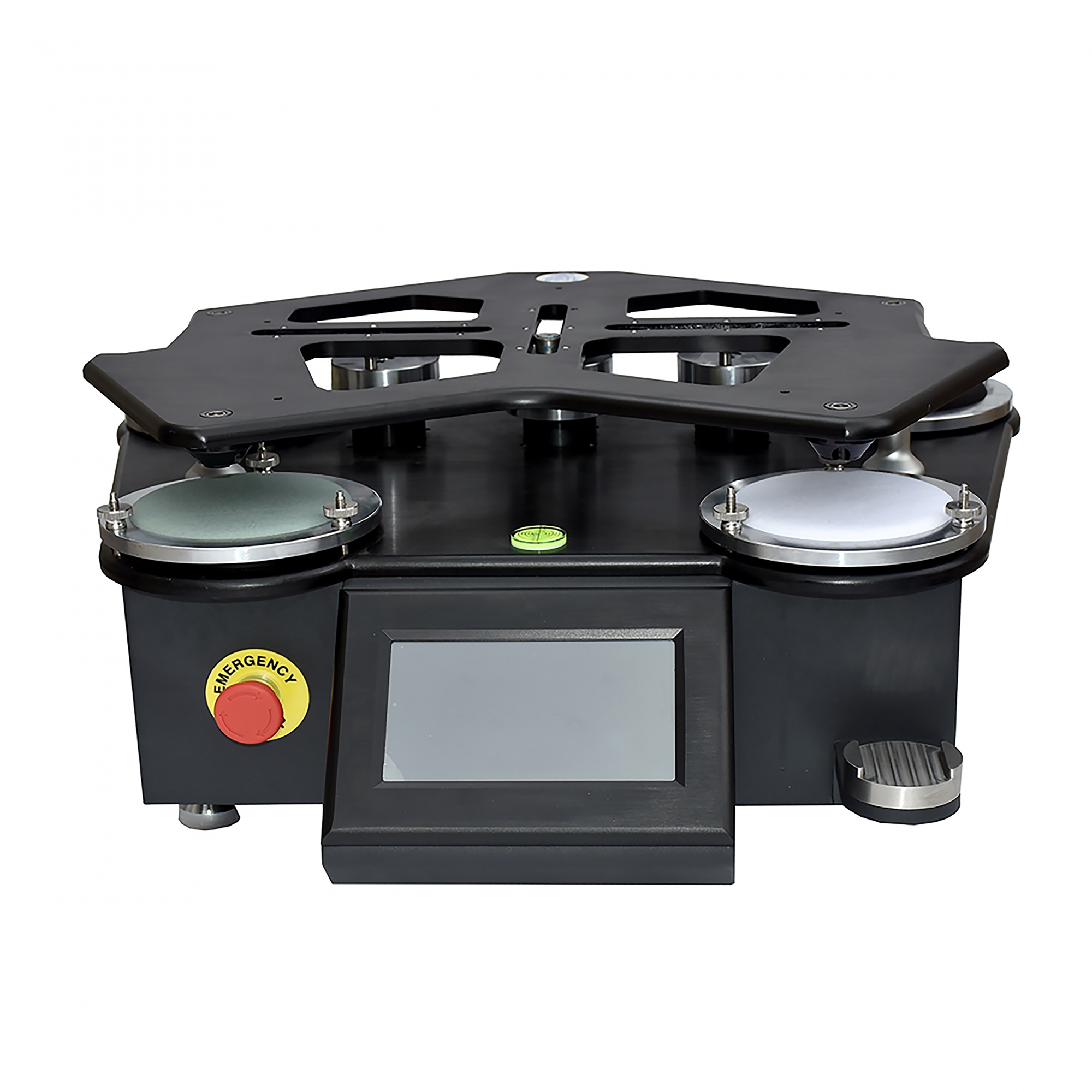
Standards Referenced:
- GB/T 4802.2 (China)
- ISO 12945-2 (International)
- ASTM D4970 (United States)
- JIS L1076 Method J (Japan)
Principle
The Martindale test evaluates fabric resistance to both abrasion and pilling using a highly controlled mechanical rubbing process. Circular fabric specimens are mounted in holders and pressed under a defined pressure against standard abradant fabrics (usually a wool fabric specified by the standard). The test head follows a Lissajous figure motion—a multi-directional movement pattern—ensuring uniform wear from all directions. This motion closely replicates the natural rubbing fabrics experience in end use, such as seat wear, garment elbow creasing, or upholstery stress points.
Evaluation
Testing is conducted in increments (e.g., every 1,000 rub cycles). At each stage, samples are examined for surface fuzzing and pill formation, and compared against standard rating scales or photographic references. Assessment is usually visual but may also be supported by digital imaging systems for enhanced precision. In some cases, both abrasion resistance and pilling resistance are recorded simultaneously.
Advantages
- Considered the most reproducible and internationallyaccepted method.
- Provides a quantitative measure of fabric enduranceunder multi-directional stress.
- Widely applicable to apparel, home textiles, upholstery,workwear, and industrial fabrics.
- High comparability across laboratories when abradants andpressures are standardized.
Limitations
- Requires precise calibration of load weights, abradants,and machine movement.
- Equipment and consumables are relatively more expensivethan the ICI Pilling Box.
- Test duration can be longer depending on cycle requirements.

Standards Referenced:
- GB/T 4802.4 (China)
- ASTM D3512 (United States)
- JIS L1076 Method D (Japan)
Principle
The Random Tumble test simulates repeated laundering and drying conditions by subjecting fabric samples to a tumbling action inside cylindrical chambers. The chambers are lined with cork panels and contain cotton sliver fibers to enhance fabric-fabric friction. During the test, compressed air jets circulate through the chamber, keeping the fabric samples in continuous motion. This creates a realistic simulation of the agitation fabrics undergo during washing and drying cycles.
Evaluation
After a specified tumbling time (commonly between 30 and 60 minutes), the samples are removed and compared against standardized photographic rating scales for pilling and fuzzing. Grading is visual, but experienced operators are needed to ensure consistency.
Advantages
- Provides one of the most realistic simulations of homelaundering, particularly for casual wear and knit fabrics.
- Well-suited for evaluating domestic textiles, sportswear,and fabrics frequently subjected to washing cycles.
- Simple setup compared to Martindale, requiring no pressure orabradant control.
Limitations
- Results may vary depending on sample sealing methods,airflow settings, and cotton fiber replenishment, leading to lowerreproducibility across labs.
- Less commonly used outside North America and Japan compared tothe Martindale method, limiting global acceptance.
- Particularly sensitive to chamber wear and cork condition,which must be regularly monitored.
Practical Guidance for Laboratories
- Always align test method selection with customerrequirements and export markets.
- Maintain equipment calibration and inspect wearcomponents (cork lining, rub cloths).
- Use consistent specimen preparation (cutting angle,sealing method).
- Report results with test standard references, not justrating scales.
Conclusion
Pilling is a complex interaction between fiber properties, yarn engineering, fabric structure, and finishing processes. For textile laboratories and manufacturers, it represents not only a technical challenge but also a market-driven quality benchmark.
- Fiber and yarn selection stronglydictate pilling potential.
- Fabric construction and finishing processes can either aggravate or mitigate pilling behavior.
- Testing methods differ globally,and results must be interpreted carefully against the target market’sstandards.
- Laboratory directors must ensurecompliance with multiple standards (ISO, ASTM, GB/T, JIS) and providereliable, reproducible data to prevent quality disputes ininternational trade.
Ultimately, minimizing pilling requires a holistic approach that integrates material science, fabric engineering, and rigorous laboratory testing. By doing so, textile producers can enhance fabric durability, meet global compliance requirements, and most importantly, build consumer trust in fabric quality.
For more information on textile testing methods/standards
or textile testing machines, please contact us:
Whatsapp: +86 13066820203
Email: sarah@astrand-martindale.com

点击右上角
分享给朋友吧







 Long by picture save/share
0
Your liking is the energy source that I persist in writing
YouArticle
已有0人推荐
CONTACT US
 No. 94, Chenwu Section, Guantai Road, Houjie
Town, Dongguan City
 E-mail: sarah@astrand-martindale.com
jack@astrand-martindale.com
 Tel: (+86) 186 8867 2626 Jack
 Tel: (+86) 130 668 20203 Sarah
HOT TAGS
LATEST NEWS
SUBSCRIBE
Please read on, stay posted, subscribe, and we welcome you to tell us what you think.
Copyright © 2022 Dongguan Astrand Electronic Technology Co., Ltd. All Rights Reserved | Log in
Copyright © 2022 Dongguan Astrand Electronic Technology Co., Ltd. All Rights Reserved