 Astrand Electronic
Electronic Fiber Tensile Strength Test Machine (Single Column ) ASTRAND
View more




中文
English


24-Hour Hotline
+86 130 6682 0203 Sarah

E-mail Us
sarah@astrand-martindale.com

Categories
New Products


Comprehensive Guide to Textile Testing Items and Methods
Time: 2025-08-29 14:54:52
Author: Sarah
From: Dongguan Astrand Electronic Technology Co.,Ltd
Click:
Textile testing is a cornerstone of quality assurance in the textile and apparel industry. The performance, durability, safety, and compliance of fabrics are validated through standardized laboratory evaluations. The testing methods applied to textiles vary depending on the type of material, intended use, and the regional or international regulatory framework.
This comprehensive guide provides a structured overview of testing classifications, major test items, detailed procedures, and laboratory best practices. Designed for professionals working in textile testing laboratories, it emphasizes technical depth, precision, and efficiency.
1. Classification of Textile Testing
Textile testing can be classified in multiple ways, primarily based on:
A. By Export Destination (Standards and Regulations)
Different regions mandate distinct testing protocols to ensure compliance with local safety and performance requirements. Below is a summary of the most commonly referenced standards:
Region / Country | Common Standards / Organizations | Notes |
United States | AATCC, ASTM, US CPSC, FTM | Widely used for apparel and home textiles; CPSC regulates safety for consumer goods |
| Australia & New Zealand | AS | Strong emphasis on flammability and fiber labeling |
United Kingdom | BS | Long-standing standards integrated into EN/ISO after Brexit |
Canada | CAN/CGSB | Covers general textiles, children’s apparel, and upholstery |
| Germany | DIN | Basis for many European standards; harmonized with EN/ISO |
| European Union | EN, ISO | Mandatory for EU market entry; REACH compliance applies |
| China | GB, FZ | National standards for textiles, widely used in Asia |
Japan | JIS | High precision in color fastness and physical property testing |
France | NF | Frequently aligned with EN standards |
Global | ISO, SATRA | ISO is internationally recognized; SATRA specializes in footwear, leather, and allied trades |
Key Takeaway: Laboratories must align their testing protocols with the destination market requirements to ensure smooth export and compliance.
B. By Test Items
Textile testing items can be categorized into four main groups:
- Shrinkage and Dimensional Stability Tests
- Physical Performance Tests
- Color Fastness Tests
- Chemical and Safety Performance Tests
Each category addresses a critical aspect of textile quality.
2. Shrinkage and Dimensional Stability Testing
Purpose:
To evaluate how fabrics behave after repeated washing, drying, or exposure to moisture and heat. Dimensional stability is essential for apparel, upholstery, and technical textiles where fit and appearance matter.
Typical Procedure:
- Mark fabric dimensions before testing (length and width).
- Wash and dry the specimen according to specified customerrequirements or regional standards.
- Use controlled washing cycles (e.g., ISO 6330, AATCC 135),detergents, and drying methods (tumble, flat dry, line dry).
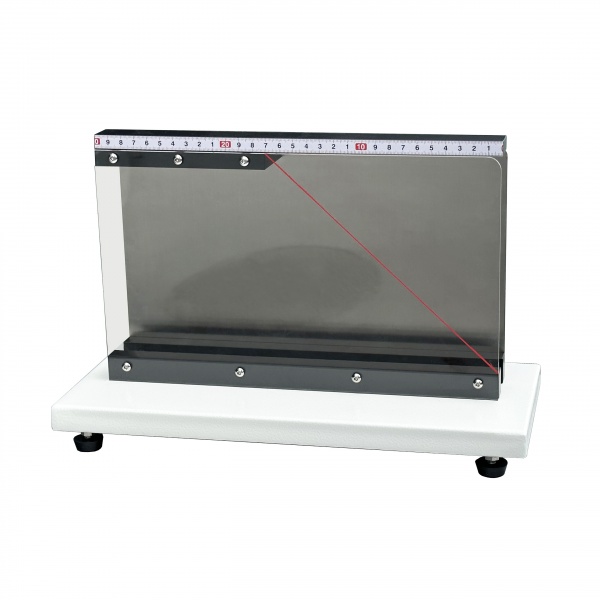
- Measure dimensional change post-wash and calculate shrinkagepercentage.
Key Evaluation Points:
- Fabrics should maintain dimensional stability within ±3% to±5% for most apparel applications.
- Excessive shrinkage indicates problems with fiber selection,fabric finishing, or garment construction.
3. Physical Performance Testing
Physical performance testing evaluates the mechanical strength, dimensional stability, and surface durability of textiles. These properties are crucial for determining whether a fabric can withstand daily wear, laundering, and end-use demands. Each parameter provides specific insights into performance under tension, friction, abrasion, and stress.
Key Test Items
Yarn Count (Ne)
- Definition: Indicates yarn fineness, directly affecting fabricappearance, weight, and performance.
- Cotton Yarn Standard: Based on the English count system, where1 Ne = 840 yards of yarn per pound at 9.89% standard moisture regain.
- Other Systems: Tex (grams per 1,000 meters) and Denier (gramsper 9,000 meters).
- Application:
- Fine yarns → lightweight, smooth fabrics (e.g., shirting, silk blends).
- Coarse yarns → heavy-duty fabrics (e.g., denim, canvas).

- Measured in: Ends per inch (warp) and Picks per inch (weft).
- Impact:
- Higher density = tighter weave, better strength and durability.
- Lower density = more breathable fabrics but reduced resistance.
- Testing Method: Pick glass or digital fabric density analyzer.
- Relevance: Critical for tailoring quality, seam strength, andfabric hand-feel.
- Definition: Grams per square meter (GSM) or ounces per squareyard.
- Importance:
- Directly linked to durability, warmth, drape, and application.
- Example: 120–150 GSM = shirts; 300+ GSM = upholstery.
- Test Method: Weighing conditioned fabric samples of knowndimensions.
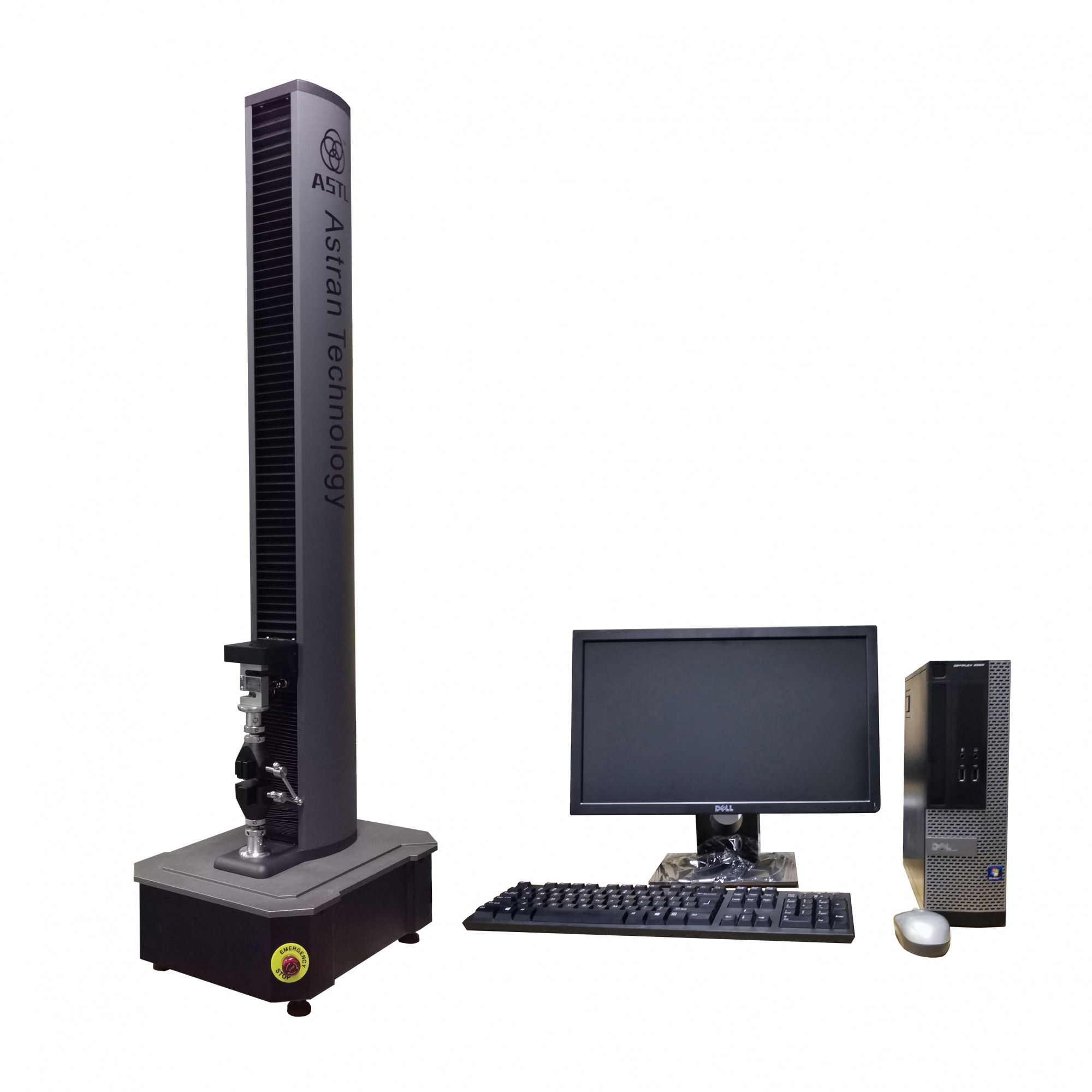
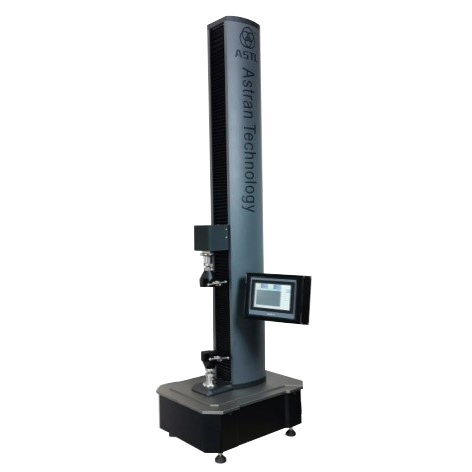
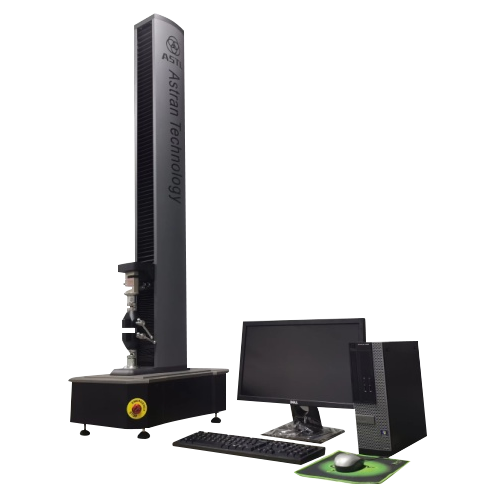
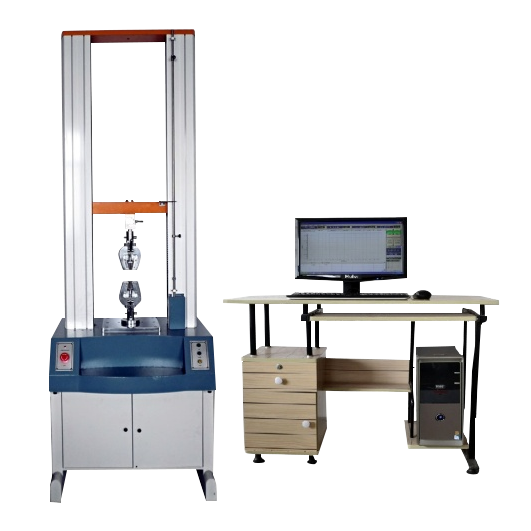
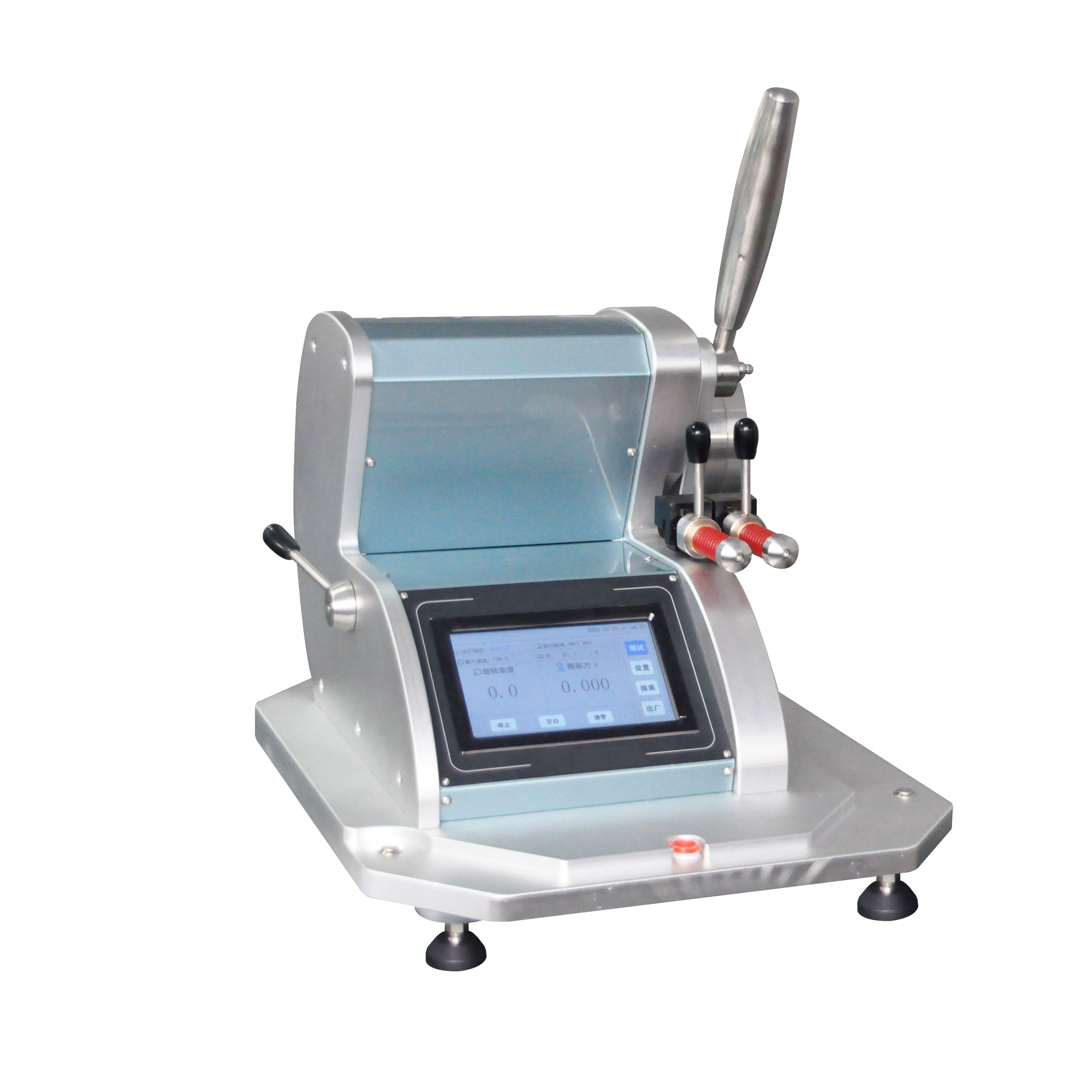
- Objective: Measures the maximum force required to break fabricunder tension.
- Methods:
- Grab Test (ASTM D5034, ISO 13934-2): Uses a smaller clamped section to replicate seam stresses.
- Strip Test (ASTM D5035, ISO 13934-1): Entire fabric width is gripped, giving more consistent results.
- Applications: Apparel, industrial fabrics, geotextiles.
- Definition: Resistance of fabric to tearing once a cut or notchexists.
- Test Methods:
- Elmendorf Tear Tester (ASTM D1424, ISO 13937): Measures force needed for a pendulum to propagate a tear.
- Trapezoid Method (ASTM D5587): Creates controlled tearing with clamps.
- Importance: Critical for workwear, tents, sails, and protectivegear.
Seam Slippage & Seam Strength
- Purpose: Determines fabric’s resistance to seam opening undertension.
- Test Standards: ASTM D1683, ISO 13936.
- Application: Particularly significant for lightweight wovenfabrics (linings, dresses).
- Factors Affecting: Yarn slippage, seam construction, threadtype.

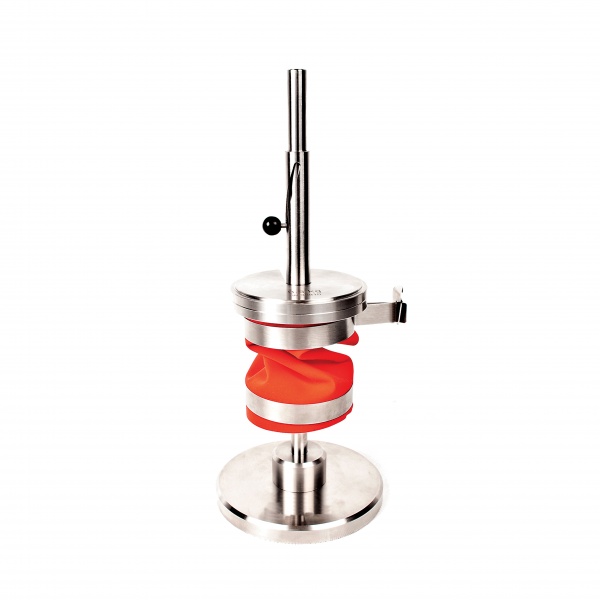
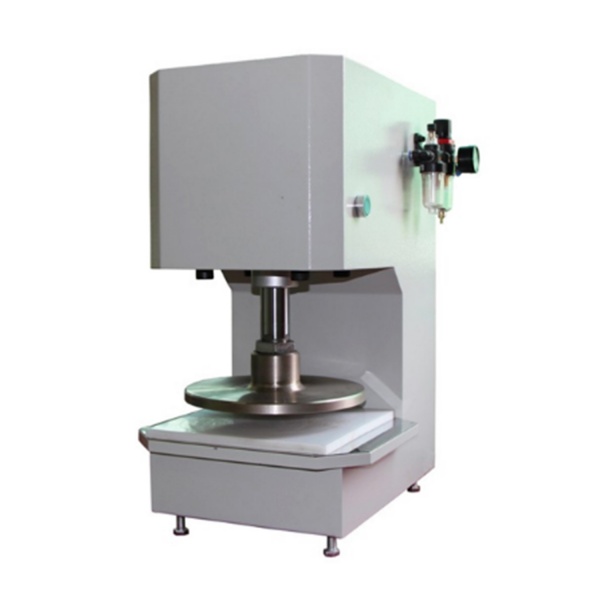
- Definition: Force required to rupture a fabric under multi-directionalstress, especially important for knits.
- Methods:
- Hydraulic Method (ISO 13938-1): Pressure applied by liquid.
- Pneumatic Method (ISO 13938-2): Uses air pressure for bursting.
- Applications: Hosiery, socks, elastic fabrics, airbags.
Abrasion Resistance
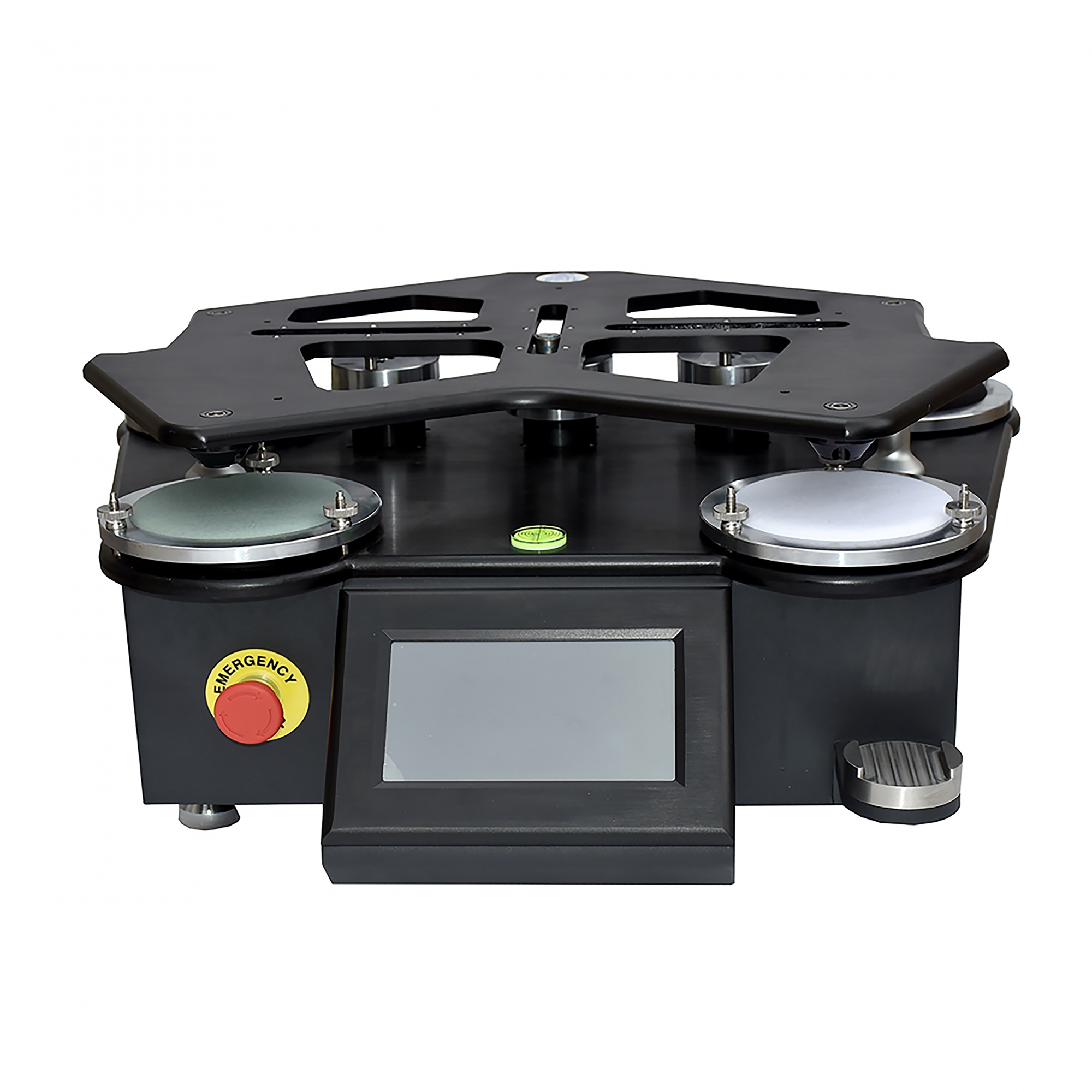
- Objective: Simulates long-term wear by rubbing fabric samplesuntil breakdown.
- Standards & Instruments:
- Martindale Method (ISO 12947): Circular rubbing against wool/abrasive fabric.
- Wyzenbeek Method (ASTM D4157): Back-and-forth motion with cotton duck or wire screen.
- Application Examples:
- Furniture upholstery (Wyzenbeek standard cycles: 15,000+ for commercial use).
- Workwear and outerwear (Martindale standard cycles: 20,000–50,000).
Pilling Resistance
- Definition: Evaluates fabric tendency to form fuzz balls(pills) after friction.
- Test Methods:
- Martindale Pilling Test (ISO 12945).
- ICI Pilling Box (ASTM D3512): Rotating box creates surface friction.
- Evaluation: Visual grading against standard photographic scales(Grade 1 = severe pilling; Grade 5 = no pilling).
- Importance: Knitwear, sweaters, sportswear, and softfurnishings.
Table: Physical Tests, Methods, and Applications
Test Item | Standard / Instrument | Key Application Areas |
Yarn Count | Ne, Tex, Denier measurement systems | Yarn classification, weaving/knitting |
| Fabric Density | Pick glass / digital analyzer | Apparel, upholstery, technical fabrics |
Fabric Weight (GSM) | Precision balance, GSM cutter | Quality grading, product categorization |
Tensile Strength | Universal tensile tester (ASTM D5034/35) | Apparel, geotextiles, industrial fabrics |
Tear Strength | Elmendorf tear tester, trapezoid method | Workwear, tents, sails, protective textiles |
Seam Slippage/Strength | ASTM D1683, ISO 13936 | Woven garments, linings, lightweight fabrics |
| Bursting Strength | Hydraulic/pneumatic bursting tester | Knits, socks, airbags, elastic textiles |
Abrasion Resistance | Martindale (ISO 12947) / Wyzenbeek (ASTM) | Upholstery, footwear, uniforms |
Pilling Resistance | ICI Pilling Box / Martindale (ISO 12945) | Sweaters, sportswear, upholstery |
4. Color Fastness Testing
Objective: To determine how well a fabric maintains its original color and resists staining or fading under various external conditions such as laundering, rubbing, perspiration, light, and bleaching. Poor color fastness leads to consumer dissatisfaction, non-compliance with standards, and reduced product lifespan.
Main Test Types
- Wash Fastness – Evaluates resistance to repeated laundering.
- Dry Cleaning Fastness – Determines color change and stainingunder solvent cleaning.
- Rubbing Fastness (Dry/Wet) – Simulates frictional contact withother textiles.
- Light Fastness – Assesses fading due to sunlight or artificiallight exposure.
- Perspiration Fastness – Measures stability againstacidic/alkaline sweat.
- Bleach Fastness (Chlorine/Non-Chlorine) – Determines resistanceto bleaching agents.
- Hot Pressing Fastness – Evaluates stability under ironingconditions.
Detailed Test Explanations

- Method: Sample washed with adjacent multifiber fabric (cotton,polyester, nylon, wool, acrylic, acetate).
- Conditions: Controlled temperature, detergent type, mechanicalagitation.
- Evaluation:
- Color Change: Graded using grayscale (Grade 5 = excellent, Grade 1 = poor).
- Staining: Degree of dye transfer to adjacent fabrics.
- Sensitive Colors: Emerald blue, navy, black-red.
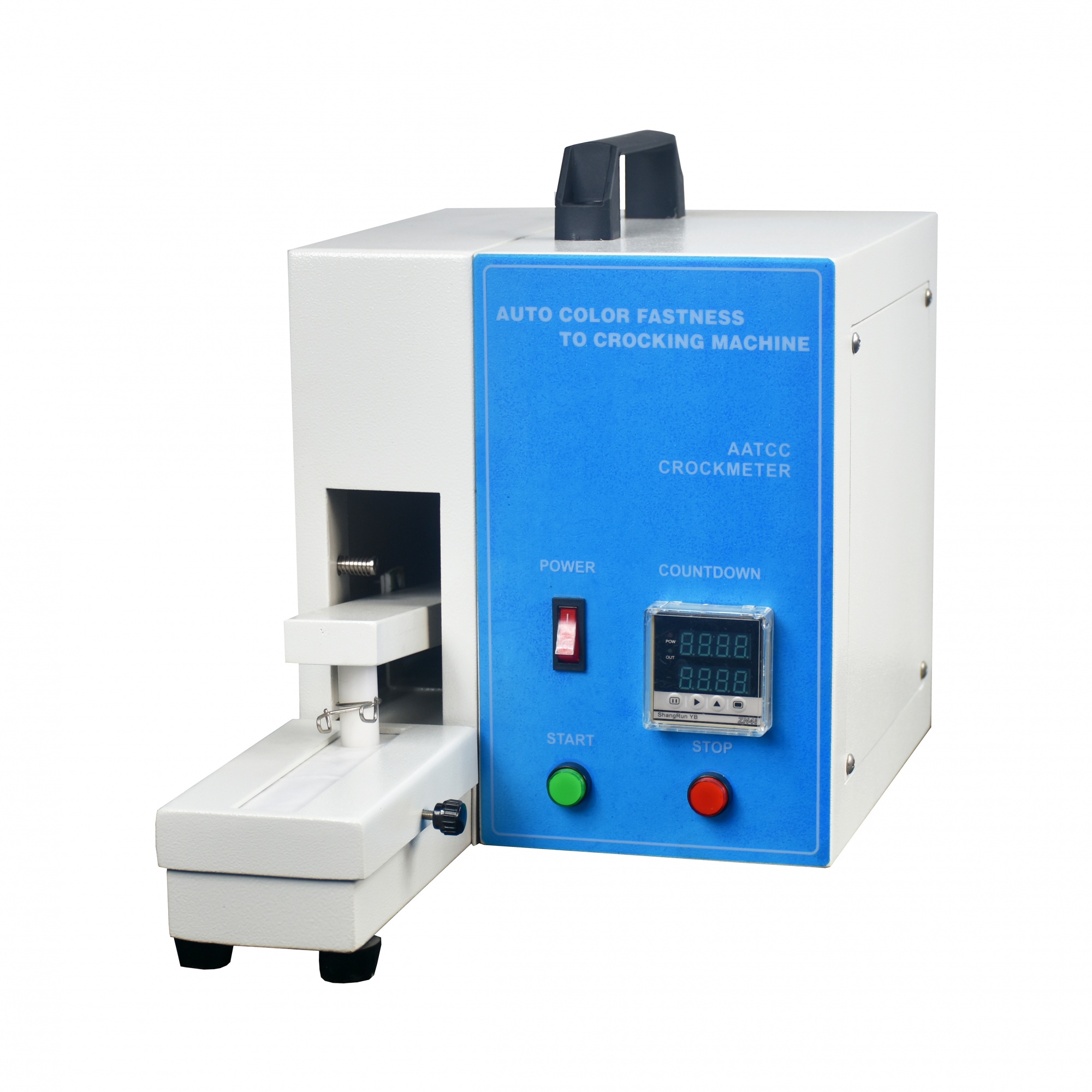
- Method: Crockmeter test (AATCC 8, ISO 105-X12).
- Procedure: A white cloth is rubbed on the test sample undercontrolled pressure, both in dry and wet conditions.
- Application: Denim, printed fabrics, upholstery.
Light Fastness
- Method: Exposure to Xenon Arc Lamp (ISO 105-B02, AATCC 16).
- Evaluation: Compared against Blue Wool Standard grades (1 =poor, 8 = excellent).
- Significance: Curtains, automotive textiles, outdoor fabrics.

- Method: Samples soaked in acidic (pH 5.5) and alkaline (pH 8.0)sweat solutions, then subjected to heat and pressure.
- Application: Sportswear, intimate apparel.
Bleach Fastness (Chlorine/Non-Chlorine)
- Chlorine: Simulates domestic laundry bleach.
- Non-Chlorine: Tests against oxygen-based bleaches.
- Relevance: Towels, bed linens, uniforms.
Hot Pressing Fastness
- Method: Sample pressed under dry, damp, and wet conditions atironing temperatures.
- Application: Fashion garments, formal wear, household textiles.
5. Chemical and Safety Performance Testing
These tests ensure that textiles are safe for human use and comply with regulatory requirements.
Key Tests:
- Formaldehyde Content
- Common in wrinkle-resistant finishes.
- Detected via spectrophotometric or chromatographic methods.
- pH Value
- Measures acidity/alkalinity.
- Safe skin-contact textiles require pH between 4.0–7.5.
- Water/Oil/Stain Repellency
- Tested via spray rating or contact angle measurement.
- Essential for performance textiles.
- Flame Resistance
- Evaluates burn rate, flame spread, and afterglow.
- Standards: ASTM D6413, ISO 15025.
- Fiber Composition Analysis
- Identifies fiber type via:
- Microscopy
- Combustion method
- Chemical solubility tests
- Banned Azo Dyes
- Tested with gas chromatography (GC-MS) or HPLC.
- Required for EU REACH compliance.
6. Conclusion and Professional Insights
Textile testing is not merely a regulatory requirement—it is a strategic quality assurance process. Proper testing:
- Ensures compliance with regional and international standards.
- Enhances consumer trust in textile products.
- Identifies weaknesses early in production, reducing recalls andclaims.
- Provides data-driven insights for R&D and productinnovation.
Key Recommendations for Laboratories:
- Select tests based on end-use, fabric type, and targetmarket.
- Regularly calibrate and maintain instruments to ensureaccuracy.
- Adopt automation and LIMS integration to boostefficiency.
- Stay updated with global regulatory changes (e.g.,REACH, CPSC, OEKO-TEX®).
In summary, a well-structured testing protocol—covering shrinkage, physical performance, color fastness, and chemical safety—ensures textiles meet the highest standards of quality, safety, and durability. For laboratories, this translates into better efficiency, stronger compliance, and a higher level of technical authority in the global textile industry.
For more information on textile testing methods/standards or textile testing machines, contact us:
What’s App: +86 130 6682 0203
Email: sarah@astrand-martindale.con

点击右上角
分享给朋友吧







 Long by picture save/share
2
Prev : The Ultimate Guide to Textile Testing Laboratories
Next : Textile Pilling: Key Factors and Standard Testing Methods Explained
Your liking is the energy source that I persist in writing
YouArticle
已有0人推荐
CONTACT US
 No. 94, Chenwu Section, Guantai Road, Houjie
Town, Dongguan City
 E-mail: sarah@astrand-martindale.com
jack@astrand-martindale.com
 Tel: (+86) 186 8867 2626 Jack
 Tel: (+86) 130 668 20203 Sarah
HOT TAGS
LATEST NEWS
SUBSCRIBE
Please read on, stay posted, subscribe, and we welcome you to tell us what you think.
Copyright © 2022 Dongguan Astrand Electronic Technology Co., Ltd. All Rights Reserved | Log in
Copyright © 2022 Dongguan Astrand Electronic Technology Co., Ltd. All Rights Reserved