 Astrand Electronic
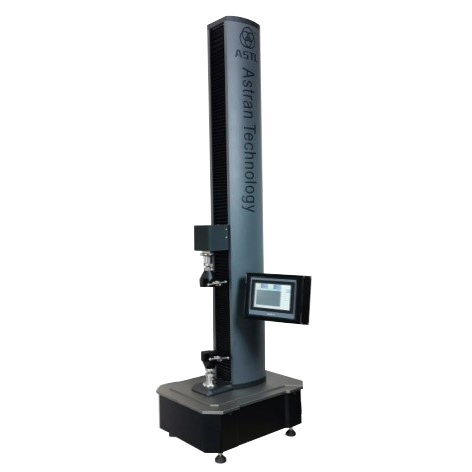
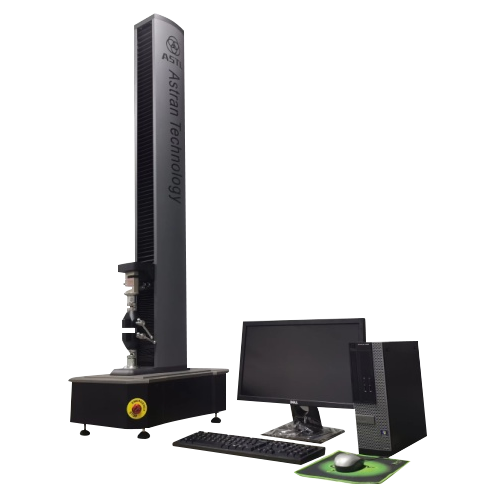
Electronic Fiber Tensile Strength Test Machine (Single Column ) ASTRAND
View more




中文
English


24-Hour Hotline
+86 130 6682 0203 Sarah

E-mail Us
sarah@astrand-martindale.com

Categories
New Products


Fabric Pilling: Testing and Treatment Methods
Time: 2024-11-12 16:08:52
Author: Sarah
From: Dongguan Astrand Electronic Technology Co.,Ltd
Click:
The Causes and Effects of Fabric Pilling?
Fabric pilling is a common issue where small, fuzzy balls of fibers form on the surface due to friction or abrasion, either during wear or laundering. The pilling process begins when individual fibers on the fabric surface loosen and protrude, forming small "piles" or tufts. With continued friction, these fiber ends twist and entangle, creating tightly packed balls or "pills" that disrupt the fabric’s smooth appearance. These pills can affect both the look and feel of fabrics, often making items appear worn out and less comfortable over time.
Pilling is more common in certain fabric types, particularly those with synthetic fibers, which have a higher resistance to breakage. However, natural fibers like wool or cotton can also pill, especially in blended fabrics. Understanding the characteristics of each fabric and taking preventive steps—such as gentle washing or choosing fabrics with high durability—can help reduce pilling and maintain the textile's quality.
Why Does Fabric Pilling Occur?
Fabric pilling happens when short or broken fibers on the surface of the fabric become tangled into small knots or balls. This process is triggered by friction from regular wear and use, especially in areas that experience the most abrasion, such as underarms, collar and cuff areas, thighs, and seat regions.
Pills are more likely to form on knitted fabrics, which have looser thread structures, compared to woven fabrics. Fabrics with mixed fibers, such as cotton and polyester blends, are also prone to pilling. The weaker fiber tends to break, wrapping around the stronger fiber, leading to the formation of pills.
Additionally, the presence of pills can worsen as they attract other loose fibers during washing. This is why darker fabrics, like black, often end up with white knots made from fuzz shed by other materials in the wash. To reduce pilling, it's recommended to choose tightly knitted fabrics or those made from durable fibers that are less prone to breaking.
How to Remove Pills on Clothes
1. Use a fabric shaver. A battery-powder fabric shaver is the most effective way to remove pills from the surface of the garment.
2. Use scissors or a safety razor. You can also pull the fabric taut over a curved surface and carefully cut off the pills with small, sharp scissors or shave the fabric surface with a safety razor. You must be extremely careful and weigh the value of the garment before tackling the job!
3. Use a lint roller. If the pills are not too large, a lint roller or sticky tape can be a quick and easy option to remove the pills.
4. Use the washer's gentle cycle or hand wash. The slower agitation and shorter wash cycle will protect your clothes.
Before washing any garment, by hand or in a washer, turn the garment inside out. This prevents excessive abrasion to the surface of the fabric from other clothes, large zippers, and buttons.
Sort laundry properly before washing. Washing delicate items in the same load as jeans will cause more abrasion and harm to the fabrics. Avoid washing lint-producing fabrics like terry cloth with other clothes. If there are broken fibers on polyester clothes, the lint from the terry cloth is going to cling tightly to the polyester surface.
Do not overload the washer tub. Cramming it as full as possible does not leave room for clothes to move easily and causes damage to the surface of clothes.
Skip harsh cleaners and damaging bleach which can weaken fibers causing them to break and pill.
Choose a laundry detergent that contains the enzyme cellulase. The enzyme will help break down cotton pills and remove them.
Add a commercial fabric softener to the rinse cycle. The ingredients in fabric softener coat the fibers of the fabric so that abrasion is lessened.
Avoid the clothes dryer. Line dry woven fabrics and dry knitted garments on a flat surface. If using the dryer, remove delicate items as soon as possible to lessen abrasion from other fabrics.
Expert Tips for Preventing Pilling on Clothes
To ensure your garments remain smooth and fuzz-free for longer, it’s important to take proactive measures in how you wash, dry, and care for fabrics. The following strategies will help minimize pilling and preserve fabric integrity:
1. Use the Gentle Cycle: By selecting the gentle wash cycle, you reduce friction, preventing fibers from loosening and forming pills. For delicate items, always choose this setting to preserve fabric integrity.
2. Turn Clothes Inside Out: This prevents the outer fabric from rubbing against other materials, especially rough fabrics or zippers, which can cause premature pilling.
3. Sort Laundry Properly: Always separate delicate items from rougher fabrics like denim, wool, or items with zippers. Sorting by fabric type and texture minimizes abrasion that can cause fiber breakage and pilling.
4. Avoid Harsh Chemicals: Harsh detergents, bleach, or fabric softeners containing strong chemicals can damage fabric fibers. Opt for mild, eco-friendly detergents that are specifically designed to preserve fabric health, keeping fibers intact and reducing the chance of pilling.
5. Use Low-Heat Drying: High heat settings in the dryer can lead to brittleness in fibers, which promotes fiber breakage and pilling. Always dry clothes on a low heat setting, and remove them promptly when dry. For best results, line dry delicate items to avoid heat-induced damage.
6. Proper Fabric Softener Usage: Fabric softener forms a protective coating around fibers, which softens the fabric and reduces the friction that causes pilling. Use it in moderation during the rinse cycle to maintain the softness of your garments without compromising fabric integrity.
7. Reduce Washing Frequency: Not every garment needs washing after each wear. Consider airing out outerwear, sweaters, and jackets between washes. Excessive washing leads to more abrasion, contributing to fiber breakdown. When washing is necessary, follow the other tips to minimize damage.
8. Choose High-Quality Fabrics: While they may come with a higher price tag, fabrics made from tightly woven fibers, such as high-quality cotton, wool blends, or synthetic fibers engineered for durability, are less likely to pill. Investing in better fabrics ultimately leads to a longer lifespan for your wardrobe, saving money in the long term.
9. Avoid Overloading the Washer: Overcrowding the washing machine prevents clothes from moving freely, causing them to rub against each other more. This extra friction increases the likelihood of fabric fibers breaking and forming pills. Always allow enough room for clothes to move within the drum.
10. Use Fabric-Specific Care Instructions: Always read and follow the care labels on garments. Some fabrics, especially delicate ones, require specific handling to avoid pilling. For instance, hand-washing or air-drying certain fabrics can significantly reduce wear and tear compared to machine washing and drying.
By following these expert guidelines, you can significantly extend the life of your clothing and keep pilling at bay. The key is to reduce friction, use gentle washing methods, and invest in quality fabric care. This approach not only maintains the aesthetic appeal of your clothes but also supports a more sustainable, long-lasting wardrobe.
Three Professional Methods for Evaluating Fabric Pilling
1 Martindale Method for Assessing Fabric Pilling Resistance

The Martindale abrasion and pilling tester is a critical tool for evaluating the wear resistance and pilling potential of fabrics used across various industries, including textiles, footwear, and garments. This test helps in simulating the effects of abrasion over time and assesses fabric durability under regular usage conditions.
The test is performed by subjecting a circular fabric specimen to friction against a surface, typically the same type of fabric or a wool abradant. The specimen rotates over the friction surface in a Lissajous figure pattern, which ensures uniform abrasion across the fabric surface. As the rubbing process progresses, fuzzing, pilling, and matting are carefully examined and assessed at various stages of wear.
Key Features of the Martindale Test:
User-Friendly Design: The Martindale tester is designed with removable sample holders that allow for quick inspection without the need to lift the top motion plate. This feature enhances the ease of use and facilitates detailed analysis without disruption to the testing process.
Accurate Testing Control: The system includes individual counters, adjustable interval time settings, and a large touchscreen display, making it both precise and intuitive to operate.
Test Capacity: The device is available with 4, 6, or 9 test positions, enabling efficient testing of multiple samples simultaneously.
Applicable Standards for Martindale Testing:
The Martindale tester is recognized under several international standards for both pilling and abrasion testing, including:
ISO 12945-2 (Modified Martindale method for fabric pilling)
ASTM D4970 (Standard for pilling resistance and surface changes)
ASTM D4966 (Abrasion resistance of fabrics using the Martindale method)
GB/T 4802.2 (Modified Martindale method for surface pilling)
JIS L1076 (Testing pilling on woven and knitted fabrics)
ISO 12947 and GB/T 21196 (Abrasion resistance testing for fabrics using the Martindale method)
Advantages of the Martindale Abrasion & Pilling Tester:
Consistency in Results: By simulating real-life abrasion, this method provides an accurate reflection of fabric wear, which is crucial for industries concerned with long-term material performance, such as textiles for furniture, upholstery, and outdoor wear.
Versatility: The tester can assess a variety of materials, including woven fabrics, knitted fabrics, wool, and synthetic fibers, making it suitable for a wide range of applications.
Enhanced Fabric Understanding: By analyzing fuzzing, pilling, and matting under controlled conditions, manufacturers can improve fabric designs and enhance product durability.
In conclusion, the Martindale abrasion and pilling tester is an essential tool for fabric manufacturers, researchers, and quality control specialists looking to ensure the longevity and aesthetic quality of textiles, contributing to higher quality standards in various industries.
2. Circular Locus Method for Fabric Pilling Testing

Test Principle:
The circular locus method is used to assess the pilling resistance of various fabrics by applying controlled abrasion. In this method, specimens are rubbed against nylon brushes and abrasive materials or abrasives alone. The friction is applied in a circular motion at a speed of 60±1 rpm, with adjustable pressure on the fabric. After the test, the pilling performance is evaluated visually under specified light conditions.
Key Features:
Active friction system for consistent and reproducible results.
Adjustable pressure for different fabric types.
Rapid testing results achieved in minutes.
Built-in safety features like an automatic stop switch for added control.
Test Parameters: This test is applicable for wool, chemical fibers, mixed fabrics, knitted, and woven textiles. The procedure is flexible, allowing for specific settings based on the fabric type being tested.
Applicable Standard:
GB/T 4802.1: Textiles – Determination of fabric propensity to surface fuzzing and pilling – Circular locus method.
This testing method is especially useful in industries like textiles, garment manufacturing, and quality control, providing essential data on fabric durability and its resistance to surface deterioration caused by wear and tear. The quick test cycle allows manufacturers to evaluate the quality of their fabrics in a controlled manner, ensuring that products meet the desired performance standards before they reach consumers.
3. Pilling Box Method for Testing Fabric Pilling

Test Principle:
The pilling box method assesses fabric pilling by tumbling specimens in a controlled environment. A fabric sample is mounted on a polyurethane tube and placed inside a cork-lined wooden box. The box rotates at a constant speed, simulating frictional forces. After a specified number of rotations, the sample’s pilling performance is evaluated visually. Any treatments (such as washing or cleaning) on the samples prior to testing should be mutually agreed upon and noted in the report.
Key Features:
Simulates the effects of friction without additional pressure.
Ideal for evaluating woven and knitted fabrics.
Visual evaluation after a set number of tumbles provides a quick assessment of pilling.
Compliance with Standards:
The ICI Pilling Box, also known as the ICI Pilling Tester, is recognized for its accuracy and is compliant with multiple international standards, including:
ISO 12945-1: This standard outlines the procedure for determining a fabric's propensity to develop surface pilling, fuzzing, or matting, using the pilling box method. It specifies the test conditions and the visual evaluation process after tumbling the fabric samples. This standard is internationally recognized and widely used for testing fabric performance in the textile industry.
GB/T 4802.3: This Chinese standard is similar to ISO 12945-1, addressing the determination of fabric pilling and fuzzing propensity in woven and knitted fabrics using the pilling box method. It provides detailed instructions for setting up the test apparatus and evaluating the results.
JIS L1058: A Japanese standard focusing on the testing of snagging and pilling in fabrics. It includes procedures for evaluating the resistance of fabrics to surface damage caused by abrasion, which can lead to pilling, particularly for woven and knitted materials.
BS 8479: This British standard specifies the method for evaluating fabric snagging propensity. It uses a rotating chamber method to simulate the frictional forces that cause snagging, which can lead to pilling over time. Though focused on snagging, it also correlates to pilling resistance in fabrics.
Applications: This method is crucial for industries involved in textile manufacturing, garment production, and quality control. The Pilling Box Tester helps manufacturers determine the pilling resistance of fabrics, ensuring that garments retain their quality and appearance after repeated wear and use. By adhering to established standards, this testing method ensures fabric durability while contributing to product performance evaluation.
Evaluating Fabric Pilling Level
To effectively assess fabric pilling, ensure the specimens are clearly visible in a pilliscope viewer. Alongside the tested fabric, place an untested fabric of the same type for comparison. To prevent distortion from direct light, view the samples directly at eye level from the edge of the rating box.
The assessment is based on a subjective visual scale. The severity of pilling is determined by evaluating the size, density, and extent of pilling across the specimen's surface. The following scale allows for clear categorization:
Rating 5 (No Pilling): The fabric shows no signs of pilling, maintaining a smooth surface with no fuzz or balls of fibers.
Rating 4 (Slight Pilling): Minor pilling is visible, typically in a few small areas, with little effect on the overall appearance.
Rating 3 (Moderate Pilling): Pilling of varying sizes and densities is noticeable, covering parts of the surface, but not overpowering the fabric.
Rating 2 (Severe Pilling): Large areas of the fabric exhibit pilling, with a mix of sizes and densities visible, significantly altering the fabric's appearance.
Rating 1 (Very Severe Pilling): Extensive pilling affects the entire surface, with visible fuzz and fiber balls covering the fabric completely, making it look worn and aged.
These ratings help in determining the durability and quality of fabric, with high ratings indicating better resistance to pilling, and lower ratings suggesting potential issues in longevity and fabric maintenance.
Expanded Anti-Pilling Textile Finishing Methods
Certain textiles, particularly those prone to pilling, can be treated with specialized finishing techniques to enhance their durability and performance. These methods aim to prevent the formation of pills by improving the friction between fibers, reducing their movement, or strengthening their structure.
Acrylic Resin Treatment
This method bonds fibers together, increasing friction and reducing their slippage. It helps prevent pilling by making fibers less likely to move freely. However, its anionic nature limits compatibility with softeners, which can affect the fabric’s softness.
Reactive Polyurethane Coating
Polyurethane creates a cross-linked surface on fibers, offering protection by reducing fiber displacement. This results in enhanced pilling resistance. The main drawback is the higher cost and the substantial amount of material required for effective results.
Modified Silicic Acid Polymer Finishing
Modified silicic acid polymers penetrate the fabric fibers and form a gel that improves friction and reduces fiber slippage. This finish also provides anti-static properties, increased resistance to washing, and does not compromise the fabric’s feel or color fastness. It's particularly useful for fabrics that need long-lasting durability.
Enzymatic Finishing
Enzymes are used to modify fiber surfaces, reducing roughness and enhancing fabric smoothness. This treatment prevents excessive friction between fibers, lowering the risk of pilling. It also softens the fabric and improves its overall appearance.
Polymer Coatings
Various polymer coatings can be applied to create a smooth surface on fabrics, reducing friction between fibers and inhibiting the formation of pills. These treatments can vary based on the polymer type, providing flexibility depending on fabric requirements.
In addition to these, there are other treatments, such as enzymatic finishing and coating with various polymers, designed to either strengthen fiber bonds or reduce friction between the fibers, both of which reduce the likelihood of pilling. Depending on the fabric type, a combination of these methods may be used to maximize performance.
By utilizing these techniques, manufacturers can produce textiles with improved longevity and resistance to surface damage, offering garments that maintain their appearance and texture for extended periods. When choosing the right treatment, factors such as cost, fabric type, and the desired hand feel should be considered to ensure the best results.

点击右上角
分享给朋友吧







 Long by picture save/share
0
Your liking is the energy source that I persist in writing
YouArticle
已有0人推荐
CONTACT US
 No. 94, Chenwu Section, Guantai Road, Houjie
Town, Dongguan City
 E-mail: sarah@astrand-martindale.com
jack@astrand-martindale.com
 Tel: (+86) 186 8867 2626 Jack
 Tel: (+86) 130 668 20203 Sarah
HOT TAGS
LATEST NEWS
SUBSCRIBE
Please read on, stay posted, subscribe, and we welcome you to tell us what you think.
Copyright © 2022 Dongguan Astrand Electronic Technology Co., Ltd. All Rights Reserved | Log in
Copyright © 2022 Dongguan Astrand Electronic Technology Co., Ltd. All Rights Reserved