 Astrand Electronic
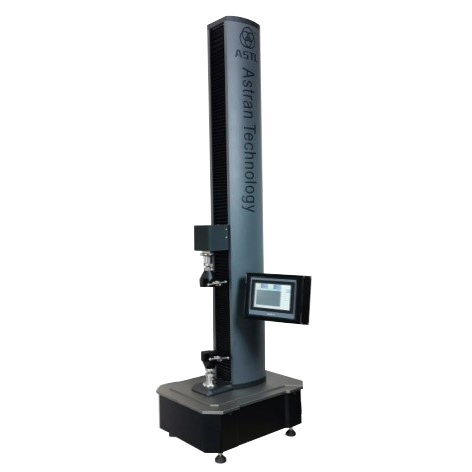
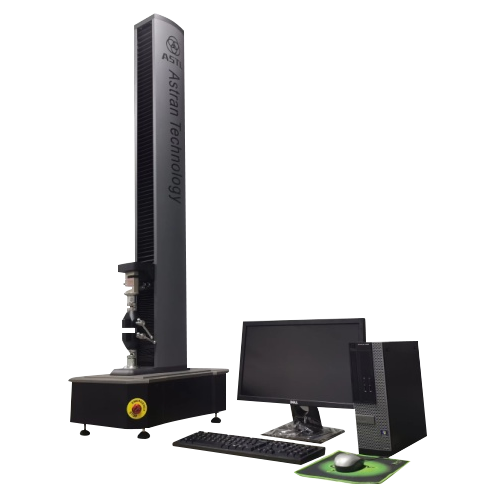
Electronic Fiber Tensile Strength Test Machine (Single Column ) ASTRAND
View more




中文
English


24-Hour Hotline
+86 130 6682 0203 Sarah

E-mail Us
sarah@astrand-martindale.com

Categories
New Products


Comprehensive Guide to the Martindale Method for Testing Fabric Abrasion Resistance
Time: 2025-01-09 14:22:01
Author: Sarah
From: Dongguan Astrand Electronic Technology Co.,Ltd
Click:
Textile abrasion resistance refers to the ability of fabrics to withstand wear caused by repeated friction, either between fabrics themselves or between fabrics and other surfaces. There are several methods to assess textile abrasion resistance, including the flat abrasion method, curved abrasion method, folded edge abrasion method, and compound abrasion method. Among these, the Martindale method is one of the most commonly used flat abrasion testing techniques. It is widely applied to evaluate the durability of clothing, household textiles, decorative fabrics, and upholstery.

1. Significance and Use of Abrasion Testing
1.1 Limitations in Acceptance Testing
While abrasion testing is widely utilized, it is not recommended for acceptance testing of commercial fabric shipments due to its inherent variability. The between-laboratory precision of this test method is often inconsistent. Variations in results frequently occur when different laboratories or technicians conduct tests, even using the same type of instrument. This inconsistency arises from the nature of abrasion testing itself, where results can differ significantly based on various external factors. Despite these limitations, abrasion testing remains valuable globally, especially outside the United States, for its widespread use in gauging fabric durability.
1.1.1 Addressing Discrepancies in Test Results
In cases where discrepancies arise between test results from different laboratories, comparative testing is crucial to identify and resolve statistical biases. Both the purchaser and the supplier should perform a comparative study using a set of homogeneous test specimens randomly assigned to each laboratory. The comparison of average results should then be conducted using the Student's t-test for unpaired data. It's essential to agree upon a probability level before testing begins. If a statistical bias is detected, the cause must either be corrected or acknowledged in the interpretation of future results to ensure fair analysis.
1.2 Test Conditions and Their Influence on Abrasion Resistance
Abrasion resistance is significantly impacted by various testing conditions, including the nature of the abradant, the tension on the fabric specimen, the pressure between the specimen and the abradant, and any dimensional changes occurring in the specimen during testing. These factors can vary from test to test, introducing uncertainty into the results and making standardization critical for accurate comparisons.
1.3 Variability in Abradant and Testing Conditions
The abradant, which is the material used to wear away the fabric, is a key factor in the variability of abrasion testing results. For accurate and consistent results, the abradant should be changed regularly or checked periodically against a standard. Disposable abradants are typically used once, while permanent abradants, like hardened metal, may not change significantly during a single test series but could vary between laboratories depending on usage. Additionally, the build-up of finishing residues or other materials from test fabrics on permanent abradants can affect the outcome, requiring frequent cleaning to ensure accuracy. It's important to note that the operator's judgment during the evaluation process can also influence the measured abrasion resistance.
1.4 Abrasion Resistance and Real-World Durability
While laboratory abrasion tests provide important insights into fabric durability, they often don't reflect all the factors that contribute to real-world wear. Abrasion resistance measured in a controlled environment typically relates to the fabric's ability to withstand friction and abrasive forces under specified conditions. However, durability—which encompasses the overall ability to endure wear and environmental conditions over time—may not always align perfectly with abrasion resistance test results. For instance, factors like chemical degradation, environmental exposure, and usage patterns may influence the fabric’s actual performance in daily use.
1.4.1 Limitations of Laboratory Tests in Predicting Wear-Life
While laboratory tests can offer a relative indication of how different materials compare in terms of abrasion resistance, they may not accurately predict wear-life in specific applications. This is particularly true when differences between test results are minimal. Laboratory tests are more reliable for materials that show significant abrasion resistance differences, but caution is necessary when extrapolating results to real-world usage. To improve accuracy, manufacturers should rely on long-term field data that connects laboratory abrasion resistance findings with actual wear performance in intended end-uses.
1.5 Variability Across Different Fabric Types
Abrasion resistance varies significantly across fabric types, including woven, nonwoven, knit, apparel fabrics, household textiles, industrial fabrics, and floor coverings. Given this variability, it’s no surprise that a wide array of abrasion testing methods, abradants, testing conditions, and evaluation techniques exist. These diverse approaches aim to provide comprehensive insights into how fabrics perform under different types of wear and tear.
1.6 The Challenge of Consistency in Abrasion Testing
Despite the variety of testing methods and tools available, results can still exhibit a high degree of variability when different operators or laboratories perform the tests. This underscores the need for standardized procedures and the adoption of consistent protocols to reduce discrepancies and ensure reliable data for both manufacturers and consumers.
1.7 The Need for Standardized Abrasion Testing Methods
Given the critical role of abrasion resistance in fabric performance, there is a clear need for standardized test methods. These guidelines help provide more clarity in fabric assessments and reduce confusion in the marketplace. Standardization ensures that manufacturers, suppliers, and customers can confidently evaluate fabric durability and select materials that meet the required performance standards.
2. Scope of the Abrasion Resistance Testing Method
2.1 Overview of the Test Method
This standard outlines the procedure for evaluating the abrasion resistance of textile fabrics using the Martindale abrasion tester. The method is broadly applicable to a variety of textile materials, including knit, woven, and nonwoven fabrics. However, the thickness of the material may limit its suitability for testing, primarily due to the specimen holder capacity of the testing equipment.
2.2 Standard and Conversion Units
The values provided in inch-pound units are regarded as the standard for the purposes of this test. For informational purposes, values in parentheses represent the corresponding SI unit conversions, but they are not considered as the official standard.
2.3 Safety Considerations and User Responsibility
This standard does not specifically address all potential safety concerns related to its application. It is the responsibility of the user to implement the necessary safety, health, and environmental practices when conducting tests. Additionally, users must ensure they understand and comply with any regulatory requirements that may be relevant before using this testing method.
Note 1: For alternative or supplementary test methods to measure the abrasion resistance of textiles, refer to Test Methods D3884, D3885, D3886, D4157, D4158, and AATCC TM93.
2.4 Alignment with International Standards
This international standard was developed in alignment with globally recognized principles for standardization. These principles were established under the World Trade Organization (WTO) Technical Barriers to Trade (TBT) Committee’s Decision on Principles for the Development of International Standards, Guides, and Recommendations.
3. 5 Common Forms of Fabric Wear and Damage
In real-world applications, the nature of fabric wear varies significantly due to factors such as the intensity of the forces involved, the size of the abrasives, and the specific structure of the yarns and fibers. These factors contribute to different types of wear mechanisms, each resulting in distinct forms of fabric damage. Below are the five primary types of fabric wear:
3.1. Fiber Fragmentation and Yarn Breakage
During friction, fibers continuously collide with each other. Over time, the repeated stresses cause fatigue within the fibers, resulting in the breakage of individual fiber segments. This leads to the weakening of the yarn structure and, ultimately, to yarn breakage, significantly diminishing the fabric's integrity.
3.2. Fiber Pull-Out and Structural Loosening
As friction continues, fibers may begin to be pulled out from the fabric’s surface. This process weakens the yarn structure and causes the fabric to loosen. With repeated wear, more fibers are pulled out, leading to thinning of both the yarn and fabric. In extreme cases, this can lead to fabric disintegration, compromising its overall durability.
3.3. Fiber Cutting and Fracture
In some instances, the fibers within the fabric can be directly cut or fractured by abrasive forces. This mechanical damage results in the immediate breakage of the yarns, causing visible damage and reducing the fabric’s strength. This type of damage can significantly impact the fabric's ability to withstand further stress.
3.4. Surface Abrasion and Fiber Loss
Frictional forces can cause the surface of the fibers to wear away, resulting in the loss of small fiber fragments. This surface-level wear reduces the fabric's smoothness and finish, potentially leading to pilling or a rough texture. Over time, this wear can accumulate, causing visible degradation of the fabric’s appearance and texture.
3.5. Heat-Induced Damage from Friction
High-friction areas can generate significant heat, which may cause the fibers to melt or undergo plastic deformation. This heat-induced damage alters the structural and mechanical properties of the fibers, reducing their strength and elasticity. In some cases, melted areas may cause the fibers to fuse together, resulting in a permanent change to the fabric’s texture and appearance.
4. Three Key Aspects of the Martindale Method for Abrasion Resistance Testing
The Martindale abrasion test is a widely adopted method for assessing the abrasion resistance of a variety of textile materials, including knitted fabrics, woolen textiles, synthetic leathers, and artificial leathers. This test is particularly valuable in industries that require high-performance fabrics, such as fashion, upholstery, automotive, and protective gear. The Martindale test evaluates fabric durability under controlled conditions by subjecting the material to friction against an abrasive surface. The analysis of the test results is typically conducted in three primary aspects: specimen breakdown, mass loss, and appearance change.
4.1 Determination of Specimen Breakdown
The first aspect of the Martindale abrasion test measures how much stress a fabric can withstand before it breaks down. In this step, the fabric specimen is clamped in place under a fixed load and subjected to frictional forces, following a Lissajous curve motion. This specific motion simulates real-world abrasion conditions by combining both lateral and longitudinal movements, ensuring a more accurate representation of how fabrics wear over time. The test proceeds until the specimen shows signs of significant damage, which is recorded as the specimen breakdown point.
The criteria for specimen breakdown vary by fabric type, and each material has specific thresholds that indicate when it has failed:
- Woven Fabrics: For woven fabrics,breakdown is defined as the complete breakage of at least two separateyarns, leading to visible fabric damage and holes.
- Knitted Fabrics: In knittedfabrics, the test results in the breakage of one yarn, which often causesa hole to appear in the fabric, compromising its structural integrity.
- Pile and Cut Pile Fabrics: For pilefabrics, such as velvet or chenille, the abrasion test typically causesthe pile to wear down, exposing the fabric's base or leading to theshedding of tufts of pile.
- Nonwoven Fabrics: Nonwovenmaterials are evaluated based on the formation of holes with a diametergreater than 0.5 mm, which occurs due to the frictional forces appliedduring testing.
- Coated Fabrics: Coated materialsexperience damage in the form of coating degradation, where the outerlayer is partially worn away, exposing the base fabric or causing flakesof coating to peel off.
This specimen breakdown step is crucial for assessing the functional lifespan of fabrics used in products that will undergo significant wear and tear, such as upholstery, outerwear, and industrial textiles.
4.2 Determination of Mass Loss
The mass loss test is another vital aspect of the Martindale abrasion test. It measures the amount of material lost from the fabric specimen due to friction, providing a quantitative assessment of its abrasion resistance. In this test, the fabric is subjected to friction against a standard abrasive surface under a specific load and motion pattern, typically for a set number of cycles.
The primary objective of this aspect of the test is to determine how much the fabric’s weight decreases after undergoing a defined number of abrasion cycles. Mass loss directly correlates with the fabric's ability to maintain its integrity and durability under repetitive frictional forces. The results of this test are expressed in percentage loss or absolute mass reduction, and fabrics with lower mass loss are generally considered more durable.
This test is particularly important in determining the wearability of materials that are prone to heavy abrasion, such as:
- Protective clothing like workwear and uniforms,
- Automotive textiles, which are exposed to constant frictionfrom passengers and vehicle components,
- Upholstery fabrics, which experience friction from use,cleaning, and abrasion from contact.
The mass loss test helps manufacturers select fabrics that maintain their strength and appearance over time, reducing the need for frequent replacements.
4.3 Assessment of Appearance Change
The final component of the Martindale abrasion test focuses on how the fabric’s appearance changes as it undergoes abrasion. This is crucial for industries where the visual appeal of a material plays a significant role, such as fashion and upholstery. The test simulates the wear-and-tear process that textiles experience under everyday conditions, evaluating how the fabric’s surface quality deteriorates after repetitive abrasion.
In this phase, the fabric is rubbed against an abrasive surface in a translational movement that traces the Lissajous figure, simulating real-world friction forces. The assessment of appearance change is based on visible alterations in the fabric’s surface, such as pilling, fuzzing, or color fading. Evaluating these changes is critical for determining how well a fabric will retain its aesthetic qualities after prolonged use.
Key aspects of appearance change include:
- Pilling: The formation of small balls of fiber on the fabric'ssurface, which can degrade the fabric's smoothness and visual appeal.
- Color Fading: The loss of pigment or dye from the fabric'ssurface, which can significantly affect the material's appearance.
- Surface Roughness: Abrasion can also cause the surface tobecome rougher, reducing its tactile feel and visual smoothness.
For fabrics used in products where aesthetic longevity is important, such as upholstered furniture and fashion garments, appearance change is a key indicator of wear resistance. Fabrics that show minimal visible damage after abrasion cycles are considered to have better abrasion durability.
Conclusion:
The Martindale method remains one of the most reliable and standardized techniques for evaluating the abrasion resistance of fabrics. By examining three critical aspects—specimen breakdown, mass loss, and appearance change—this test offers a comprehensive analysis of how fabrics perform under repeated frictional stress. The results provide invaluable insights for designers, manufacturers, and consumers in selecting materials that offer both functional durability and aesthetic longevity.
Through the application of the Martindale test, it is possible to predict a fabric's performance over time in various end-use applications. The ability to withstand abrasion cycles without significant breakdown, mass loss, or appearance deterioration is essential for fabrics used in products subjected to frequent wear, such as activewear, outdoor gear, and automotive upholstery. By combining test results with real-world considerations, fabric manufacturers can optimize their materials for the demanding conditions they will face in practical use.
5. Comprehensive Guide to Martindale Abrasion Resistance Testing Standards for Fabrics
The Martindale method is a globally recognized testing protocol used to assess the abrasion resistance of textiles. This method involves subjecting fabric samples to controlled abrasion in order to simulate real-world wear and tear, helping manufacturers and designers evaluate the durability and performance of materials. The testing standards for the Martindale method are well-established and vary slightly by region and regulatory body. Below, we explore the international, European, American, British Standards, German Standards, and Chinese standards for this testing method and highlight their key differences and applications.
5.1 International Standards for Martindale Abrasion Testing
ISO 12947 Series
The ISO 12947 series of standards provides a comprehensive framework for testing the abrasion resistance of textiles using the Martindale method. This set of standards is internationally recognized and consists of three parts:
l ISO 12947.2: Determination of Sample Breakdown
This part covers the procedure for determining the fabric's resistance to breakdown due to abrasion, including the point at which the sample fails, such as yarn breakage or fabric hole formation.
l ISO 12947.3: Determination of Mass Loss
This section measures the loss of mass in the fabric after abrasion, providing an important indicator of fabric durability and how much material is worn away during the test.
l ISO 12947.4: Assessment of Appearance Change
This part focuses on the aesthetic changes in the fabric, such as pilling, color fading, or surface wear, after it undergoes abrasion.
These standards are designed to provide consistent and reliable testing conditions, ensuring that fabric durability is assessed with high accuracy across different regions and applications.
5.2 ASTM Standards for Martindale Abrasion Testing
ASTM D4966: Standard Test Method for Abrasion Resistance of Textile Fabrics
In the United States, ASTM D4966 is the equivalent of the ISO 12947 standards for Martindale abrasion testing. It is divided into two parts:
l Test Method for Abrasion Resistance: This method specifies how to perform the abrasion test, including the setup of the Martindale abrasion tester and the use of auxiliary materials.
l Auxiliary Materials: This covers the materials required for the test, including the abrasives, fabric specimen holders, and the Martindale machine setup.
The test methods outlined in ASTM D4966 are generally consistent with ISO 12947.2, 12947.3, and 12947.4, with a few slight differences in end-point conditions and presentation of results. While the overall testing protocol is similar, ASTM standards are more simplified in terms of how the results are presented.
5.3 European Standards for Martindale Abrasion Testing
EN ISO 12947 Series
The European Union adheres to the EN ISO 12947 series, which is nearly identical to the international ISO standards. These include the following parts:
l EN ISO 12947.2: Determination of Sample Breakdown
l EN ISO 12947.3: Determination of Mass Loss
l EN ISO 12947.4: Assessment of Appearance Change
These standards are widely recognized across the European textile industry and are the standard reference for manufacturers, researchers, and testing laboratories. The EN ISO 12947 series follows the same rigorous methodologies as ISO standards, ensuring global compatibility.
5.4 German Standards (DN Standards)
DIN EN ISO 12947 Series
Germany follows the DIN EN ISO 12947 standards, which align closely with the EN ISO and ISO 12947 series. These standards are directly related to testing abrasion resistance using the Martindale method in Germany and provide the same evaluation criteria for sample breakdown, mass loss, and appearance change. The parts include:
l DIN EN ISO 12947.2: Determination of Sample Breakdown
l DIN EN ISO 12947.3: Determination of Mass Loss
l DIN EN ISO 12947.4: Assessment of Appearance Change
The DIN EN ISO standards offer clear guidelines for testing abrasion resistance and are commonly referenced in German textile testing labs and manufacturing facilities.
5.5 British Standards (BS Standards)
BS EN ISO 12947 Series
In the United Kingdom, BS EN ISO 12947 is used to regulate the Martindale test for abrasion resistance. It mirrors the EN ISO series and is broken down into three main parts:
l BS EN ISO 12947.2: Determination of Sample Breakdown
l BS EN ISO 12947.3: Determination of Mass Loss
l BS EN ISO 12947.4: Assessment of Appearance Change
This set of standards provides a unified approach for testing the abrasion resistance of fabrics in the UK, ensuring consistency and reliability in laboratory results.
5.6 Chinese Standards for Martindale Abrasion Testing
GB/T 21196 Series
In China, the GB/T 21196 series is used to evaluate abrasion resistance using the Martindale method. These standards are highly similar to the ISO 12947 series but include some notable distinctions, particularly in terms of coated fabrics. These standards address the specific requirements for testing coated textiles, including additional guidelines for:
l Coated Fabric Breakdown: Specific provisions for testing the breakdown of coated materials, which may behave differently than non-coated fabrics under abrasion.
l Friction Load Parameters: Additional friction load parameters for testing coated fabrics.
l Abrasive Standards: Guidelines for the replacement of standard abrasives used in Martindale testing to ensure consistent results.
The Chinese version is largely aligned with ISO standards but expands its scope to cover coated fabrics, ensuring that materials with protective coatings are properly assessed for durability under abrasive conditions.
Comparison of International Standards: Links and Differences
While the ISO 12947 series provides the primary framework for Martindale abrasion testing, several regional standards exist, and their application is largely based on international harmonization. The EU, DN, and BS standards are functionally equivalent to the ISO standards and typically do not introduce major differences in testing methodology.
The Chinese standards (GB/T 21196) expand the scope of the test by incorporating provisions specific to coated fabrics, an addition not explicitly addressed in ISO standards. Moreover, the ASTM D4966 standard, while similar to ISO 12947, includes some simplifications in test endpoint conditions and the presentation of results, making it easier for U.S. manufacturers to apply in practice.
Overall, the primary goal of these standards is to ensure that fabric manufacturers, designers, and laboratories around the world can rely on consistent, accurate, and repeatable results when testing abrasion resistance. The differences between these standards are mostly minor and relate to specific regional requirements or additional materials covered by the standards.
Conclusion
The Martindale abrasion testing method remains a cornerstone for assessing the durability and performance of fabrics across a wide range of industries. Whether you're working with synthetic textiles, woven fabrics, or coated materials, the global standards provided by ISO, ASTM, EN, and GB ensure a consistent framework for evaluating fabric performance. Understanding the specific standards relevant to your region and material type is crucial for selecting the right textiles and achieving the desired wear resistance in your products.
By adhering to these internationally recognized standards, manufacturers and laboratories can ensure that their fabrics will stand up to the demands of both aesthetic longevity and functional durability, ultimately resulting in higher-quality end products.
6. Comprehensive Guide to Textile Abrasion Resistance Testing: The Martindale Method
The Martindale method is a widely recognized procedure for testing the abrasion resistance of textile fabrics. It simulates real-world conditions by assessing how fabrics withstand wear and tear through frictional forces. This method is especially useful for analyzing fabrics like knitted textiles, woolen fabrics, synthetic leathers, and coated materials. The procedure evaluates abrasion resistance across three primary aspects: specimen breakdown, mass loss, and appearance change. Below is a detailed breakdown of the test procedure and its application.
6.1 Determination of Specimen Breakdown
This test method applies to all types of textile fabrics, excluding those with very low abrasion resistance. The goal is to determine the point at which the fabric fails under friction, with a focus on the following parameters:
6.1.1 Abrasive Selection
The appropriate abrasive is chosen based on the type of fabric being tested:
- Uncoated Fabrics: Use woven plainwool fabrics as abrasives.
- Coated Fabrics: Standard No. 600waterproof abrasive paper is used.
The abrasive is separated from the abrasive table by a layer of wool felt.After each test, the felt should be inspected for wear or stains andreplaced accordingly.
6.1.2 Sampling Method
For accurate results, a minimum of three fabric samples should be selected. In woven fabrics, ensure that different warp and weft yarns are included. For fabrics with jacquard patterns or other complex textures, each distinct part of the pattern must be sampled. Large patterns may require separate samples from different sections.
6.1.3 Selection of Fixture Liner
The mass per unit area of the specimen is recorded as A.
- If A ≥ 500 g/m², no foam liner is required.
- If A < 500 g/m², a foam liner must be added to thespecimen fixture and replaced after each test.
6.1.4 Friction Load Mass
The total effective mass includes the mounting bracket and the loading weight. According to the ASTRAND XD-B18 specifications for Martindale abrasion and pilling testers:

- Mounting bracket weight: (2500±500) g
- Loading weight options:
- (395±7) g or (595±7) g
Based on fabric type and intended use, select one of the following total effective masses: - (795±7) g: Suitable for heavy-dutyfabrics like workwear, upholstery, bed linens, and technical textiles.
- (595±7) g: Ideal for apparel andhousehold textiles (excluding upholstery).
- (198±2) g: For coated fabrics usedin garments.
6.1.5 Abrasive Change Interval
- Standard wool fabric: Change abrasive after 50,000 cycles.
- Waterproof abrasive paper: Change abrasive after 6,000 cycles.
6.1.6 Inspection Intervals
Set inspection intervals based on the anticipated number of rubs before the specimen breaks down. These intervals allow for periodic checks to observe the wear condition.
6.1.7 Measurement of Test Results
The abrasion resistance is expressed by counting the total number of rubs at the point of specimen breakdown. This "abrasion count" determines when the fabric reaches its failure point.
6.2. Determination of Mass Loss
Mass loss is another key indicator of abrasion resistance. This test applies to all textile fabrics, but not to fabrics with very low abrasion resistance. The testing conditions for abrasives, fixture liner selection, and friction load mass remain the same as those used in the breakdown determination. Here, we focus on evaluating the fabric's mass loss as it undergoes wear.
6.2.1 Interval and Inspection for Mass Loss
The test ends when the specimen breaks down or reaches a specified number of rubs. At each inspection interval, the mass of the specimen is measured before and after testing:
- Δmi represents the difference inmass at each inspection interval.
- Δm is the total mass loss once thefabric reaches the wear point.
6.3 Assessment of Appearance Change
The appearance change method is suitable for fabrics that may have a shorter abrasion life. The abrasive selection, sampling, and fixture liner conditions are the same as those used for breakdown testing.
6.3.1 Total Effective Mass of Load
For appearance change testing, the total load mass is fixed at (198±2) g.
6.3.2 Abrasive Replacement
Both foam and standard abrasives should be replaced before each new test.
6.3.3 Evaluating Appearance Changes
This assessment focuses on visual alterations such as discoloration, fuzzing, and pilling. The rub count at which these changes become noticeable is recorded. The test outcome is based on the degree of surface deterioration, which is categorized into specific levels of discoloration, fuzzing, and pilling. A post-test comparison of the fabric's appearance is made to determine the extent of damage.
6.3.4 End Point Evaluation
The test concludes either when the agreed rub count is reached or when specific appearance changes (discoloring, fuzzing, or pilling) are evident. The final specimen is compared to the pre-test condition to evaluate the severity of surface changes.
6.4. Practical Considerations and Applications
Among the three methods of testing fabric abrasion resistance—specimen breakdown, mass loss, and appearance change—the specimen breakdown determination is most commonly used due to its simplicity and clear results. It is especially useful for comparing abrasion resistance across different fabric types and is widely applied in the apparel and textile industries.
While mass loss and appearance change methods provide more detailed insights, they are typically used in specialized settings like manufacturing companies or research institutions, where understanding the fabric's performance under various friction stages is crucial.
In summary, the Martindale method offers an effective framework for evaluating the durability of textiles under simulated abrasion conditions. This guide aims to assist textile quality inspectors, product developers, and researchers in understanding and applying this essential testing method, ensuring the creation of high-performance fabrics that meet the demands of real-world use.

点击右上角
分享给朋友吧







 Long by picture save/share
0
Prev : Ultimate Guide to Fabric Shrinkage Testing
Next : ASTM D4966 Martindale Abrasion Test: A comprehensive Guide Introduction
Your liking is the energy source that I persist in writing
YouArticle
已有0人推荐
CONTACT US
 No. 94, Chenwu Section, Guantai Road, Houjie
Town, Dongguan City
 E-mail: sarah@astrand-martindale.com
jack@astrand-martindale.com
 Tel: (+86) 186 8867 2626 Jack
 Tel: (+86) 130 668 20203 Sarah
HOT TAGS
LATEST NEWS
SUBSCRIBE
Please read on, stay posted, subscribe, and we welcome you to tell us what you think.
Copyright © 2022 Dongguan Astrand Electronic Technology Co., Ltd. All Rights Reserved | Log in
Copyright © 2022 Dongguan Astrand Electronic Technology Co., Ltd. All Rights Reserved