 Astrand Electronic
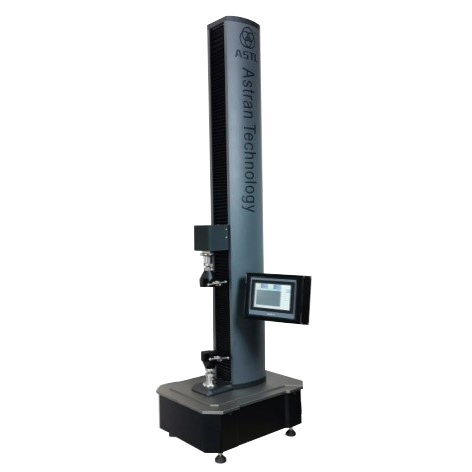
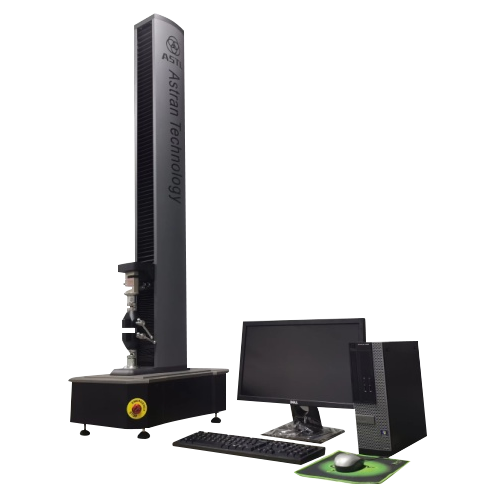
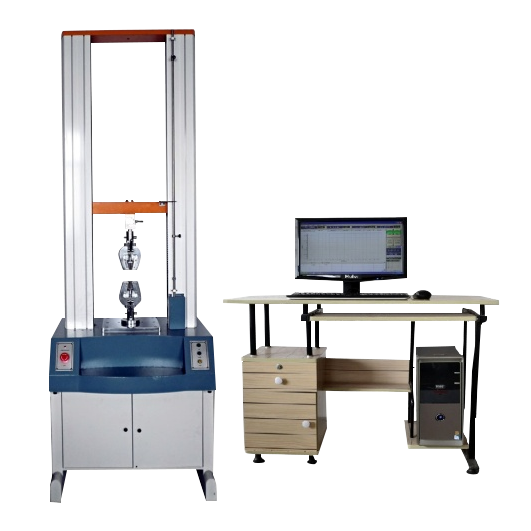
Electronic Fiber Tensile Strength Test Machine (Single Column ) ASTRAND
View more




中文
English


24-Hour Hotline
+86 130 6682 0203 Sarah

E-mail Us
sarah@astrand-martindale.com

Categories
New Products
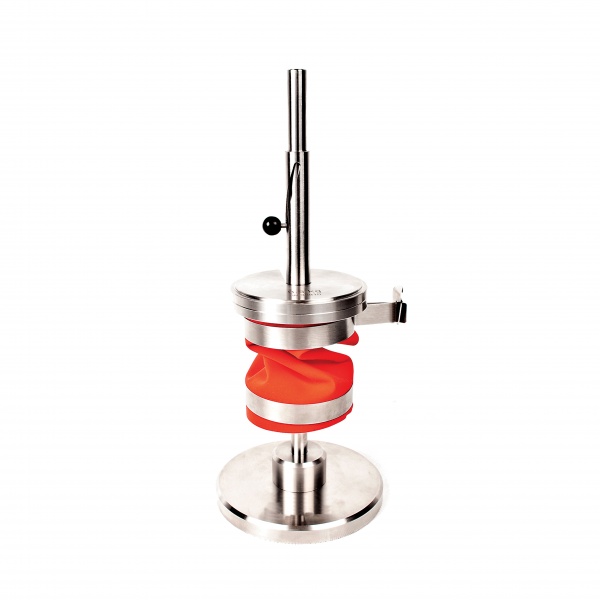

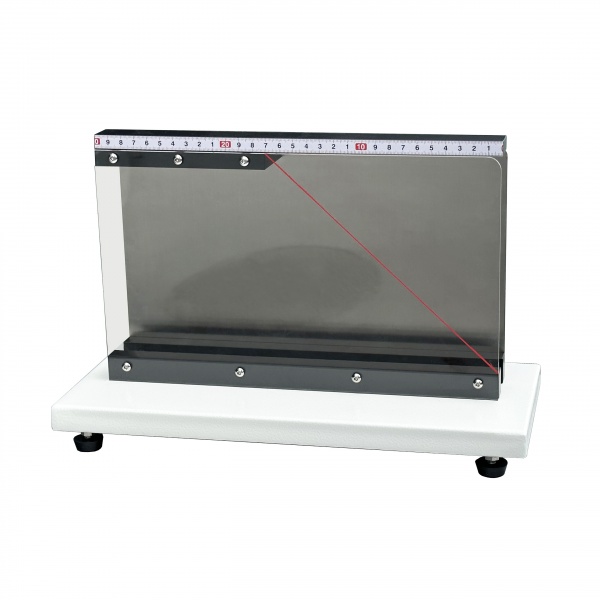

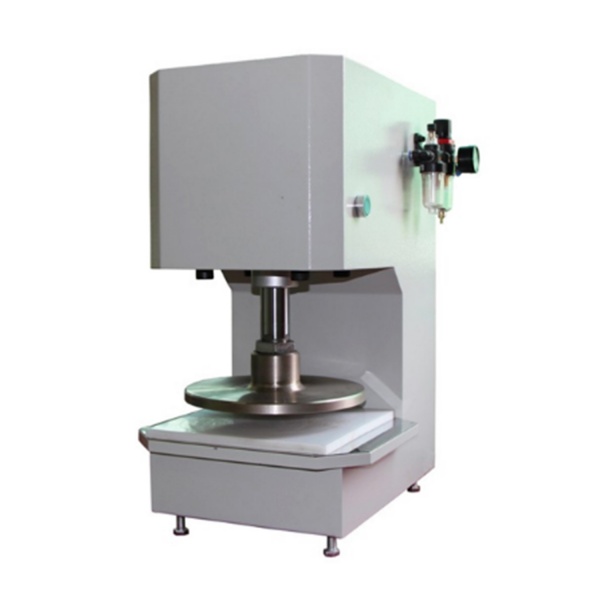
Fabric Pilling: Test Methods and Finishing Solutions to Improve Anti-Pilling Performance
Time: 2025-05-27 14:09:50
Author: Sarah
From: Dongguan Astrand Electronic Technology Co.,Ltd
Click:
What Is Fabric Pilling?
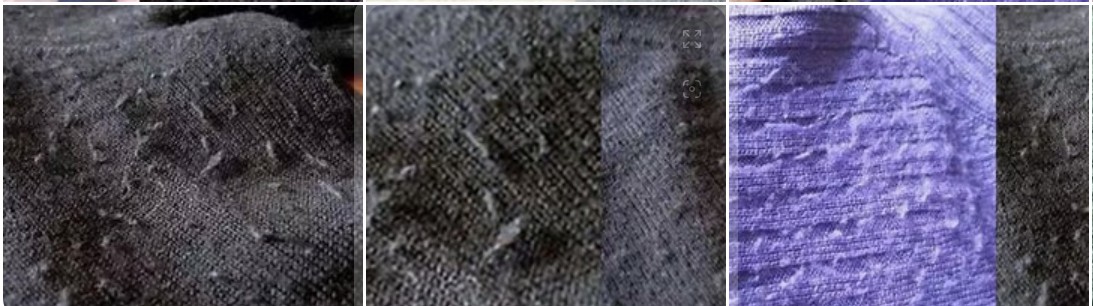
Fabric pilling is a common issue in textiles, characterized by the formation of small, tangled fiber balls—known as "pills"—on the fabric surface. This phenomenon occurs when fabrics are subjected to repeated mechanical actions such as friction, abrasion, or laundering. These forces cause loose fibers to rise to the surface, where they entangle and compress into visible pills.
As the surface fibers become more exposed through wear or washing, they begin to mat together. Once the density and length of the fuzz reach a threshold, continued rubbing causes these fibers to twist into tight, unsightly balls that cling to the fabric. This affects both the appearance and performance of the material.
How Is Fabric Pilling Tested?
To evaluate a fabric's resistance to pilling, standardized laboratory tests are conducted using specialized equipment. The fabric sample is mounted on a pilling tester and subjected to controlled friction for a specified number of cycles. After testing, the degree of pilling is assessed and rated.
There are three widely recognized testing methods for fabric pilling:
- Martindale Method: Involvesmultidirectional rubbing using a standard abrasive under defined pressure.
- Circular Locus Method: Simulatescircular rubbing motions to replicate real-life wear.
- Pilling Box Method: Subjectssamples to random tumbling and rubbing inside a rotating box to mimicnatural usage conditions.
Each method provides unique insights, and the choice of technique depends on fabric type, end use, and testing standards.
Comprehensive Guide to the Three Most Common Fabric Pilling Test Methods
1. Martindale Test Method for Evaluating Fabric Pilling
Overview of the Martindale Method
The Martindale test is a globally recognized method for assessing the pilling, fuzzing, and abrasion resistance of textile materials. It simulates natural wear conditions by subjecting fabric samples to a controlled rubbing motion. The results provide valuable insights into the surface durability and longevity of fabrics used in garments, upholstery, automotive interiors, and other applications.
Test Principle
The Martindale method operates on the principle of multidirectional abrasion. Circular fabric specimens are mounted on holders and rubbed against a standard abradant—either a matching fabric or a wool-based abrasive—under a defined pressure. The movement follows a Lissajous figure, a geometric pattern that ensures uniform rubbing in all directions.
The test specimen is free to rotate around its vertical axis, replicating real-world mechanical stress. At predetermined intervals, the fabric is inspected visually for signs of fuzz formation, pilling, or matting. The number of cycles required to reach a specific level of surface change is recorded and graded according to standard rating scales.
Test Equipment: XD-B18 Martindale Abrasion and Pilling Tester

The ASTRAND Martindale Tester is a precision-engineered instrument designed for both abrasion resistance and surface pilling tests. It is widely used across industries including textiles, fashion, automotive, furniture, and synthetic leather manufacturing.
Key Features:
- Modular Test Positions: Available in 4, 5, or 9-stationconfigurations to accommodate different testing volumes.
- Easy Sample Handling: Individual sample holders can be removedindependently without lifting the top plate, enhancing efficiency andsafety.
- Independent Counters: Each station has its own digital cyclecounter and stop function, allowing for staggered testing.
- Advanced Control Interface: Large touch-screen display withprogrammable test parameters, interval settings, and user-friendlynavigation.
- Standard Accessories: Includes holders, 9 kPa and 12 kPaweights, wool abradants, foam underlay, and abrasive fabric depending onthe test standard.
Materials Suitable for Martindale Testing
The Martindale system is suitable for testing a broad range of textile and surface materials, including:
- Knitted and woven fabrics (e.g.,cotton, polyester, viscose)
- Wool and wool-blend textiles
- Synthetic leather and coated fabrics
- Nonwovens and composite fabrics
- Upholstery, curtain, and automotive interior materials
This versatility makes it an essential tool in quality assurance, product development, and compliance testing.
Applicable Standards
The Martindale tester supports a wide array of international testing protocols:
Pilling and Surface Change Standards:
- ISO 12945-2 – Modified Martindale method for assessing pilling,fuzzing, and matting
- ASTM D4970 – Standard method for measuring pilling resistanceusing the Martindale device
- GB/T 4802.2 – Chinese national standard for fabric pillingevaluation
- JIS L1076 – Japanese method for pilling in woven and knittedfabrics
Abrasion Resistance Standards:
- ISO 12947 (Parts 1–4) – Comprehensive method for determiningabrasion resistance using Martindale equipment
- ASTM D4966 – Standard method for testing textile abrasion via Martindale
- GB/T 21196 – Chinese standard mirroring ISO 12947 for abrasiontesting
Complementary Method:
- ISO 12945-1 – Pilling Box Method (alternative approach forevaluating surface pilling)
Why Use the Martindale Method?
The Martindale test offers quantifiable, repeatable results that help manufacturers and brands ensure product quality and compliance with global textile standards. It is especially valuable for:
- Comparing fabric performance across suppliers
- Verifying durability claims for high-wear applications
- Ensuring consistency in mass production
- Supporting R&D for new textile finishes and blends
2. Circular Locus Method for Fabric Pilling Testing
Overview of the Circular Locus Method
The circular locus method is a standardized testing technique used to assess the surface pilling and fuzzing tendency of various textile materials. It simulates the friction experienced by fabrics during real-life use by subjecting the sample to rotary rubbing against a defined abrasive under controlled conditions. This method is especially suitable for evaluating the surface durability of wool, synthetic fibers, blended fabrics, and both knitted and woven textiles.
Test Principle
In the circular locus pilling test, fabric specimens are subjected to rubbing either:
- Against a nylon brush combined with a fabric abrasive, or
- Against a fabric abrasive alone
The motion between the specimen holder and the abrasive platform follows a circular trajectory at a consistent rotational speed of 60 ± 1 revolutions per minute. The test is performed under a defined load and environmental conditions. After completing the test cycle, the fabric's surface is visually inspected under standardized lighting to assess the degree of fuzz formation and pilling. Evaluation is based on comparison against a standard rating scale.
Test Equipment: XD-B17 Circular Locus Pilling Tester

The Circular Locus Tester is a specialized instrument designed to evaluate the surface deterioration, fuzzing, and pilling resistance of a wide range of textile materials. It features an active friction mechanism that ensures consistent rubbing under precise conditions.
Key Features:
- Circular Motion Friction System: Simulates real-life fabricwear through controlled circular movement between the specimen andabrasive surface.
- Adjustable Test Pressure: The specimen grip appliescustomizable pressure with a tolerance of ±1%, ensuring test accuracy fordifferent fabric types.
- Standardized Speed Control: Maintains a rotation speed of 60 ±1 r/min for consistent test conditions.
- Flexible Abrasive Options: Compatible with nylon brushes, standardfabric abrasives, or a combination of both.
- Automatic Stop Function: Built-in self-stop switch ensures usersafety and prevents overtesting.
- Rapid Test Time: Results can be obtained in just a few minutes,making it ideal for high-throughput quality control environments.
Fabric pilling tests using the circular locus method are performed according to the standardized parameters listed in the table below. Each set of conditions—such as applied pressure, fuzzing cycles, and pilling cycles—is tailored to suit different fabric types to ensure accurate and reliable evaluation results.
Parameter Type | Applied Pressure (cN) | Fuzzing Cycles | Pilling Cycles | Typical Applicable Fabrics |
A | 590 | 150 | 150 | Workwear, sportswear, dense and heavy fabrics |
B | 590 | 50 | 50 | Synthetic outerwear, filament fabrics |
C | 490 | 30 | 50 | Military uniform fabrics, combed blends |
D | 490 | 10 | 50 | Chemical fiber blends, interwoven textiles |
E | 780 | 0 | 600 | Combed wool fabrics, short staple yarns, underwear fabrics |
F | 490 | 0 | 50 | Pile fabrics, combed wool blends, loose-structured textiles |
Applicable Standards
The circular locus method conforms to the following national testing standard:
- GB/T 4802.1 – Textiles – Determination of fabric propensityto surface fuzzing and to pilling – Circular locus method
This standard outlines the testing conditions, abrasives to be used, evaluation criteria, and test duration for different types of fabrics.
Applications and Benefits
The circular locus pilling test is widely used across various textile sectors, including:
- Apparel manufacturing
- Home textiles
- Upholstery and automotive fabrics
- Quality assurance and R&D labs
Why Choose the Circular Locus Method?
- Efficient and repeatable testing for pilling resistance
- Suitable for mass production quality control and materialbenchmarking
- Adaptable for different fabric structures (e.g., knits vs.wovens)
- Provides visual, standardized results for consistent productevaluation
3. Pilling Box Method for Evaluating Fabric Pilling
Overview of the Pilling Box Test Method
The pilling box method—also known as the ICI pilling test—is a widely used technique for assessing the tendency of fabrics to form pills, fuzz, or matting as a result of surface abrasion. Unlike methods that apply direct pressure, the pilling box test simulates the mechanical action of dry tumbling to replicate real-life wear, making it ideal for evaluating both woven and knitted fabrics under no-pressure conditions.
Test Principle
In this method, fabric specimens are carefully mounted onto polyurethane tubes and placed inside a cork-lined wooden chamber. The chamber rotates at a constant speed, allowing the fabric samples to tumble freely within the confined space.
As the specimens rub against the cork lining and each other, friction-induced surface changes such as pilling occur. After a specified number of rotations (tumbles), the test is paused, and the samples are visually evaluated for the degree of pilling. Assessment is performed under standardized lighting conditions and compared against reference photographic standards.
If the test requires any pre-treatment of the samples—such as washing, conditioning, or cleaning—these procedures must be agreed upon in advance and fully documented in the final test report to ensure result reproducibility and traceability.
Test Equipment: XD-B15 ICI Pilling and Snagging Tester

The ASTRAND ICI Pilling Tester is a specialized instrument developed for low-pressure pilling evaluation based on the ICI pilling box method. It is suitable for both laboratory testing and industrial quality control.
Key Features:
- Rotating Wooden Test Box: Linedwith high-friction cork to simulate fabric-to-surface and fabric-to-fabricabrasion.
- Polyurethane Sample Mounting Tubes:Ensures uniform tension and consistent exposure during the tumblingprocess.
- Adjustable Tumbling Speed:Maintains a consistent test environment for reliable and repeatableresults.
- Multi-Chamber Configuration:Typically features 2–4 test boxes for simultaneous sample testing.
- Self-Stop Timer: Automaticallyhalts the machine after a preset number of rotations, ensuring testaccuracy and operator safety.
Applicable Standards
The pilling box method aligns with several international and national standards for evaluating fabric surface deterioration, including:
- ISO 12945-1 – Textiles – Determination of fabric propensityto surface pilling, fuzzing, or matting – Pilling box method
- GB/T 4802.3 – Textiles – Determination of fabric fuzzing andpilling performance – Pilling box method
- JIS L1058 – Japanese Industrial Standard for pilling andsnagging of woven and knitted fabrics
- BS 8479 – British Standard for determining snaggingpropensity – Rotating chamber method
These standards provide detailed procedures on sample preparation, test parameters, evaluation criteria, and result interpretation.
Applications and Advantages
The ICI pilling test is commonly used across a range of textile sectors, including:
- Fashion and apparel manufacturing
- Home furnishings and upholstery
- Sportswear and technical textiles
- R&D labs for fabric development and comparison
Why Choose the Pilling Box Method?
- No-pressure simulation of everyday wear and friction
- Effective for testing lightweight, delicate, and high-pilefabrics
- Quick turnaround time, making it ideal for bulk testing andpre-production QA
- Provides consistent, standardized assessments compatible withinternational benchmarks
Conclusion
The pilling box method remains a trusted and efficient approach for evaluating the surface integrity of textiles in real-world use. With its straightforward operation and alignment with global standards, it serves as a valuable tool for manufacturers aiming to ensure fabric durability, customer satisfaction, and regulatory compliance.
How to Accurately Assess the Level of Fabric Pilling
Pilling Evaluation Procedure
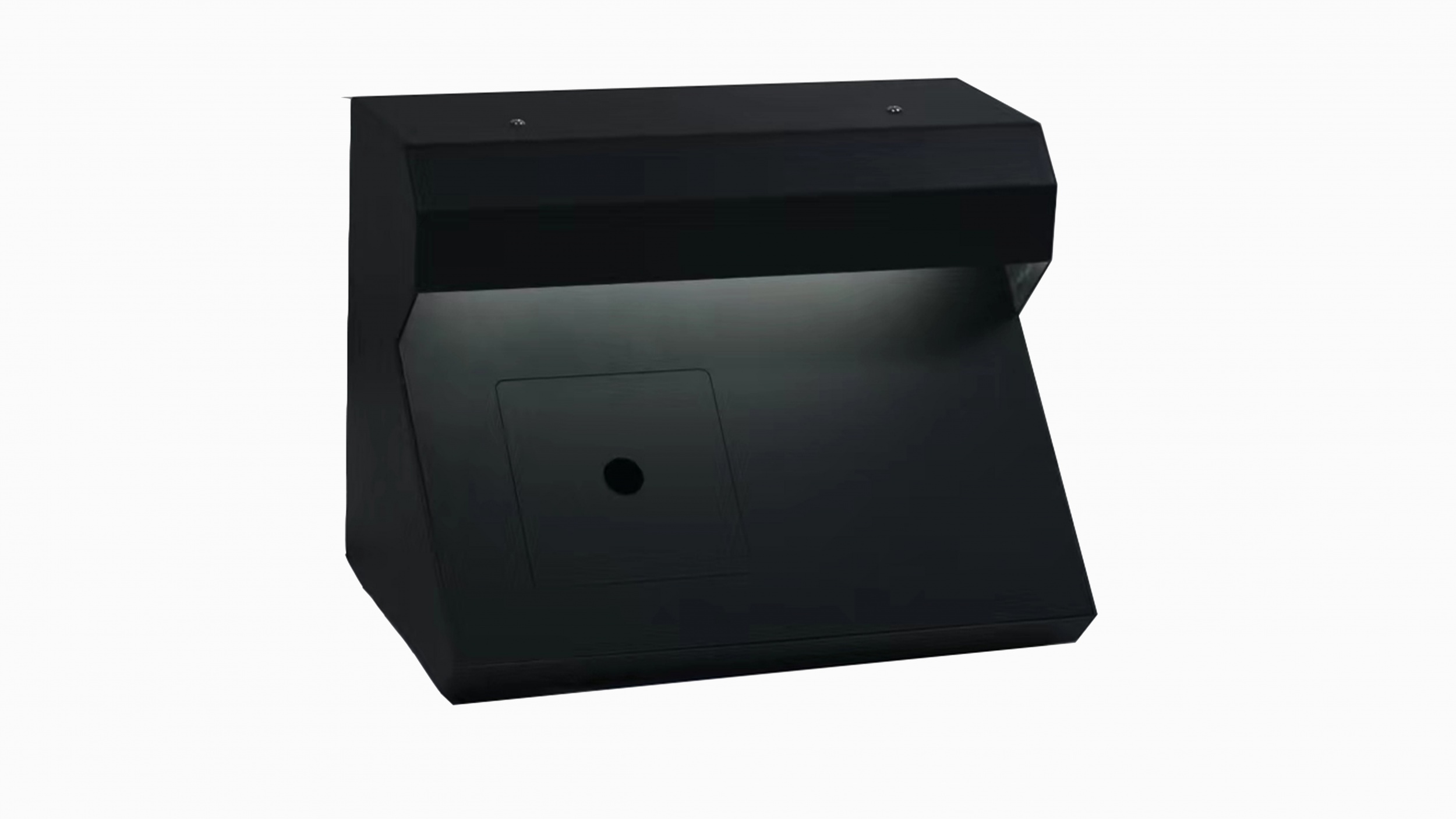
To determine the extent of fabric pilling after testing, specimens are assessed through visual comparison using a standardized viewing device known as a pilliscope assessment viewer. This evaluation helps quantify the fabric’s surface change by comparing the tested sample to a control (untested) sample and to established pilling standards.
XD-B16 Pilliscope Assessment Viewer
Assessment Steps:
- Specimen Placement
Position the tested fabric specimens alongside an untested control sampleon the viewing board of the pilling assessment device (commonly referredto as a pilliscope or pilling grading box). This side-by-side comparisonensures accurate visual analysis. - Lighting Conditions
The assessment must be conducted under controlled lighting. The device isdesigned to eliminate direct light reflections, allowing for clearvisibility of fabric surface changes without visual distortion. - Viewing Angle
Observers should grade each specimen by looking directly from the frontedge of the viewing box, ensuring a consistent and standardized angle forall evaluations. This approach minimizes subjective variability inresults. - Rating System
The pilling performance is then rated by comparing the specimen’s surfaceto a photographic or fabric-based reference standard, typically on a scalefrom 1 to 5: - Grade 5 – No pilling
- Grade 4 – Slight pilling
- Grade 3 – Moderate pilling
- Grade 2 – Severe pilling
- Grade 1 – Very severe pilling
- Documentation
The assigned grade should be recorded in the test report, along with anynotes on sample treatment, lighting conditions, and observer details toensure test reproducibility and traceability.
Why Standardized Pilling Assessment Matters
Accurate evaluation of fabric pilling is critical for:
- Quality assurance in textile manufacturing
- Product development for improved durability
- Compliance with international textile standards such as ISO12945 and ASTM D4970
- Ensuring customer satisfaction by maintaining consistentproduct appearance and longevity
Common Finishing Techniques for Enhancing Anti-Pilling Performance in Textiles
Pilling is a common surface defect in fabrics, especially those made from synthetic fibers, wool blends, or loosely spun yarns. It significantly affects the aesthetic appeal, hand feel, and durability of textile products. To counter this, manufacturers apply anti-pilling finishing treatments, which improve the fabric's resistance to fiber entanglement and abrasion during wear and laundering.
These finishes alter the surface characteristics of fibers or enhance the mechanical bonding between them, minimizing fiber migration and the formation of fuzz and pills. Below is a detailed overview of the most widely used anti-pilling technologies in the textile finishing industry.
1. Acrylic Resin Finishing
Acrylic resin-based finishing is one of the earliest and most commonly applied anti-pilling treatments, especially for low to mid-range textile products.
How it Works:
- A thin polymeric film is formed on the fabric surface
- This film increases inter-fiber cohesion, reducing the chanceof loose fibers protruding from the surface
- The resin also enhances yarn compactness, making it moredifficult for pills to form
Key Advantages:
- Cost-effective
- Easy to apply in standard finishing lines
- Suitable for a variety of woven and knitted fabrics
Limitations:
- Acrylic resins are usually anionic, making them incompatiblewith cationic softeners
- Can result in stiff hand feel or reduced drape
- May have limited wash durability if not properly cross-linked
For improved performance, modified acrylics or co-polymer blends can be used to achieve a balance between anti-pilling and fabric softness.
2. Reactive Polyurethane Finishing
Reactive polyurethane (PU) finishes represent a more advanced, high-performance solution for improving the pilling resistance of fabrics. This treatment is especially suited for premium textiles where both durability and comfort are essential.
Functional Mechanism:
- Polyurethane molecules form covalent bonds with the functionalgroups on fibers (e.g., hydroxyl, amine)
- A cross-linked film is generated on the surface, enhancing fiberimmobilization
- Surface roughness increases slightly, thereby improvingfiber-to-fiber friction
Benefits:
- Excellent anti-pilling and abrasion resistance
- Durable to washing and mechanical wear
- Provides additional benefits such as wrinkle resistance and shaperetention
Drawbacks:
- Requires higher application cost
- May need catalysts or curing agents for full performance
- Excessive use can slightly reduce air permeability or fabricsoftness
Nonetheless, PU finishing remains a go-to choice for sportswear, performance garments, and technical textiles.
3. Modified Silicic Acid Polymer Finishing
Modified silicic acid-based finishes are part of a newer class of inorganic-organic hybrid materials, offering high-efficiency anti-pilling protection while maintaining excellent fabric aesthetics.
How It Works:
- These nano-sized (30–50 nm) polymers penetrate deep into yarnsand fibers
- Upon drying or curing, they form a thin gel-like film thatanchors fibers in place
- The finish increases the coefficient of friction and enhances anti-slipbehavior
Performance Highlights:
- Minimal impact on fabric softness, color, and breathability
- Excellent anti-static properties, making it suitable forsynthetic fabrics like polyester and nylon
- Outstanding wash durability, retaining performance throughmultiple laundering cycles
Environmental & Practical Benefits:
- Often formaldehyde-free and low-VOC, meeting sustainability andcompliance requirements
- Compatible with a wide range of dyed and printed fabrics
- Can be applied using padding, spraying, or coating techniques
This finish is particularly well-suited for fashion textiles, uniform fabrics, and home furnishings, where both performance and feel are important.
Other Emerging Finishing Technologies
In addition to the methods above, the textile industry is exploring new anti-pilling solutions, such as:
- Nano-coatings using silica, titanium dioxide, or zinc oxide
- Enzymatic treatments to remove loose fiber ends withoutdamaging the yarn structure
- Plasma treatments to enhance surface bonding at a molecularlevel without adding chemical load
- Biopolymer-based finishes, which are biodegradable and alignwith sustainable textile initiatives
These innovations aim to reduce environmental impact while improving textile functionality.
How to Select the Right Anti-Pilling Finish
Choosing the optimal anti-pilling method depends on:
- Fiber content (natural vs. synthetic, blends, staple vs.filament)
- Fabric construction (knitted, woven, brushed, etc.)
- End-use application (casual wear, outerwear, upholstery,sportswear, etc.)
- Cost-performance balance
- Desired secondary effects (e.g., softness, wrinkle resistance,colorfastness)
Conclusion
Anti-pilling finishing is a vital part of modern textile processing that ensures products retain their quality and appearance throughout their lifecycle. Whether using acrylic resin, reactive polyurethane, or advanced silicic acid-based technologies, the correct finish not only enhances durability but also elevates brand perception and customer satisfaction.
For sustainable, high-performance textile development, manufacturers should consider multi-functional finishing systems and continue adopting eco-friendly, high-efficiency chemistries.

点击右上角
分享给朋友吧







 Long by picture save/share
0
Prev : ASTM D4966 Martindale Abrasion Test: A comprehensive Guide Introduction
Next : Frequently Asked Questions About Wash Color Fastness Testing
Your liking is the energy source that I persist in writing
YouArticle
已有0人推荐
CONTACT US
 No. 94, Chenwu Section, Guantai Road, Houjie
Town, Dongguan City
 E-mail: sarah@astrand-martindale.com
jack@astrand-martindale.com
 Tel: (+86) 186 8867 2626 Jack
 Tel: (+86) 130 668 20203 Sarah
HOT TAGS
LATEST NEWS
SUBSCRIBE
Please read on, stay posted, subscribe, and we welcome you to tell us what you think.
Copyright © 2022 Dongguan Astrand Electronic Technology Co., Ltd. All Rights Reserved | Log in
Copyright © 2022 Dongguan Astrand Electronic Technology Co., Ltd. All Rights Reserved