 Astrand Electronic
Electronic Fiber Tensile Strength Test Machine (Single Column ) ASTRAND
View more




中文
English


24-Hour Hotline
+86 130 6682 0203 Sarah

E-mail Us
sarah@astrand-martindale.com

Categories
New Products
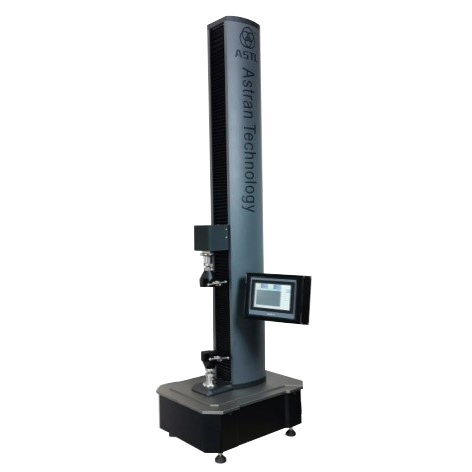
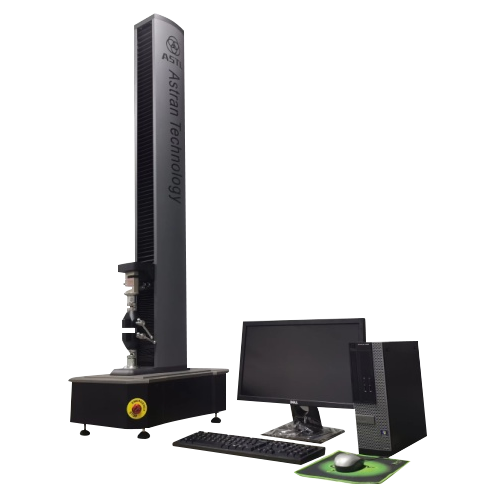
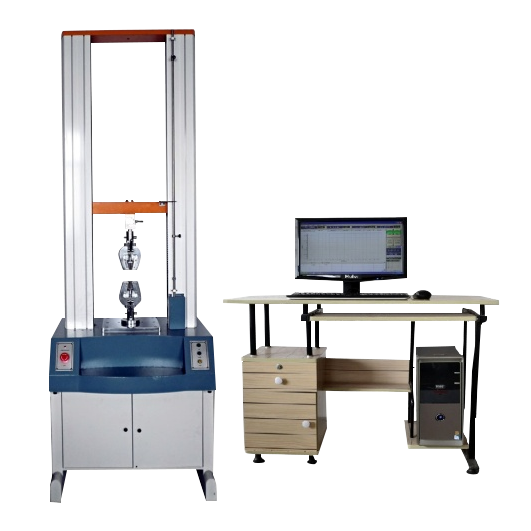
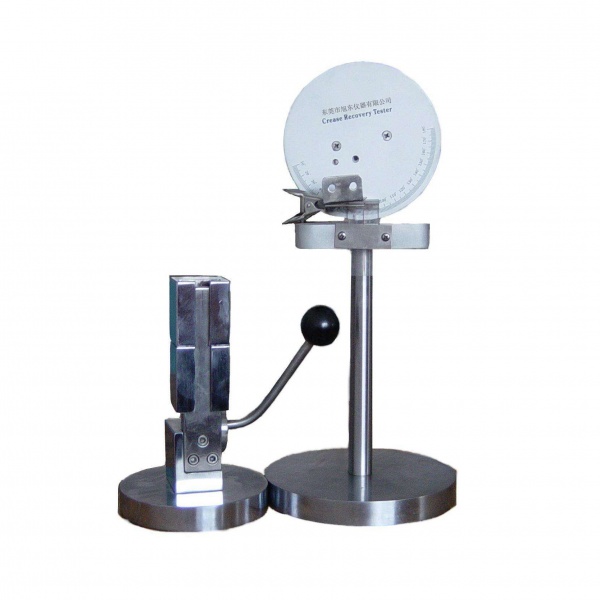


Tensile Testing Machines: A Complete Guide for Engineers, Manufacturers, and Quality Inspectors
Time: 2025-06-09 15:09:22
Author: Sarah
From: Dongguan Astrand Electronic Technology Co.,Ltd
Click:
Overview
Tensile testing machines are essential tools for evaluating the mechanical strength and elongation characteristics of materials. This comprehensive guide explains how these machines work, what materials can be tested, how to conduct accurate tensile tests, and how to choose the right model. By understanding tensile strength testing, manufacturers can improve product reliability, ensure compliance with industry standards, and reduce material failure risks.
Table of Contents
- What is a Tensile Strength Test
- Importance of Tensile Testing in Manufacturing
- Commonly Tested Materials
- How a Tensile Testing Machine Works
- Core Components of a Tensile Tester
- Step-by-Step Guide to Performing a Test
- Interpreting Tensile Test Results
- Industrial Applications of Tensile Testing
- How to Select the Right Tensile Tester
- Frequently Asked Questions
1. What is a Tensile Strength Test
A tensile strength test, also known as a tension or pull test, measures a material’s ability to withstand a stretching force without breaking. This test is one of the most fundamental mechanical assessments used in material science and quality assurance. It provides insights into several key properties:
- Maximum tensile strength before failure
- Yield point, where permanent deformation begins
- Elongation percentage at the point of break
- Modulus of elasticity, which indicates stiffness
- Fracture characteristics
Tensile tests are performed using a universal testing machine, capable of conducting other tests such as compression, shear, peel, bend, and tear testing.
2. Importance of Tensile Testing in Manufacturing
Tensile strength testing is essential for product development, safety compliance, and quality control. It ensures that materials can withstand expected loads during real-world use. The data gathered supports:
- Optimization of product design for durability and safety
- Quality control in manufacturing processes
- Compliance with international testing standards (ASTM, ISO, GB, DIN, JIS)
- Research and development in material selection and comparison
Example Use Cases
- Electrical wires: check ductility and tensile strength of copper or alloys
- Footwear:evaluate seam integrity and upper material durability
- Garments:verify fabric resilience and fastener strength
3. Commonly Tested Materials
Tensile testing machines are designed to handle a wide range of metallic and non-metallic materials. Examples include:
- Elastomers and natural rubber
- Plastics and thin polymer films
- Textiles, including woven and nonwoven fabrics
- Natural and synthetic leathers
- Industrial composites and waterproof membranes
- Optical fibers, ropes, safety belts, and cables
- Metals such as stainless steel, aluminum, copper, and spring steel
Each material may require different grips, fixtures, and load ranges. Always confirm material compatibility with the equipment manufacturer before testing.
4. How a Tensile Testing Machine Works
Tensile testers operate through a combination of mechanical, electrical, and software systems. These systems work together to apply force and capture performance data during testing.
Key Subsystems:
- Force Measurement: Load cells convert mechanical force into digital signals
- Deformation Measurement: Extensometers or strain gauges track elongation
- Displacement Measurement: Encoder sensors monitor beam or crosshead movement
- Drive Mechanism: Servo motors provide precise and programmable motion
- Data Acquisition and Control Software: Manages test parameters, real-timemonitoring, and data analysis
5. Core Components of a Tensile Tester
Below are typical components found in models like the ASTRAND XD-E03:
Component | Description |
Upper and Lower Grips | Secure the test specimen during testing |
Load Cell | Measures the amount of applied force |
Crosshead or Beam | Moves vertically to apply tensile load |
Protective Housing | Shields internal mechanisms from dust and external impact |
Emergency Stop | Instantly halts the test for operator safety |
Limit Switches | Prevents overextension or damage during operation |
Leveling Feet | Ensures the machine remains balanced for accurate measurement |
Software Interface | Allows configuration, monitoring, and report generation |
6. Step-by-Step Guide to Performing a Tensile Test
Follow these steps to conduct a standard tensile strength test:
- Prepare the Test Sample
Cut the specimen to size using ASTM, ISO, or GB standards. Measure thewidth, thickness, and gauge length. - Configure the Machine
Power on the system, open the software interface, and select theapplicable testing method. - Mountthe Specimen
Place the sample between the upper and lower grips. Ensure it is alignedand tension-free. - Resetthe Sensors
Zero the force and displacement readings before initiating the test. - Set the Speed and Limits
Adjust crosshead speed based on the test standard. For example, textilesmay require 50 millimeters per minute. - Startthe Test
Begin the process through the software interface. The machine appliestension until the sample breaks or a set condition is met. - Monitorin Real-Time
View the stress-strain curve as it is generated on-screen. - Automatic Stop
The test will automatically end when the material fails or reaches adefined force limit. - Analyzethe Results
Review key data points such as tensile strength, elongation, yield point,and break force. - Generate the Report
Save the test report and export it in formats such as PDF or Word fordocumentation and compliance.

7. Interpreting Tensile Test Results
Test results reveal crucial mechanical characteristics, including:
- Ultimate Tensile Strength (UTS): The maximum stress the material can withstand
- Yield Strength: The stress level where permanent deformation begins
- Elongation at Break: The percentage of stretch before failure
- Modulus of Elasticity: A measure of material stiffness under load
- Toughness:Represented by the area under the stress-strain curve
Modern testing software automatically calculates these values and displays them graphically for easy interpretation.
8. Industrial Applications of Tensile Testing
Tensile testing is critical across various sectors:
Industry | Application Examples |
Aerospace | Composite panels, alloy fasteners, structural materials |
Automotive | Seat belts, airbags, tires, seals, and metal sheet parts |
Construction | Reinforcement bars, mesh, joints, and waterproofing membranes |
Medical | Catheters, surgical sutures, bandages, medical gloves |
Textiles | Yarn, woven fabric, seams, stretch fabrics, and buttons |
Electronics | Wire connectors, cable insulation, circuit board adhesives |
9. How to Select the Right Tensile Testing Machine
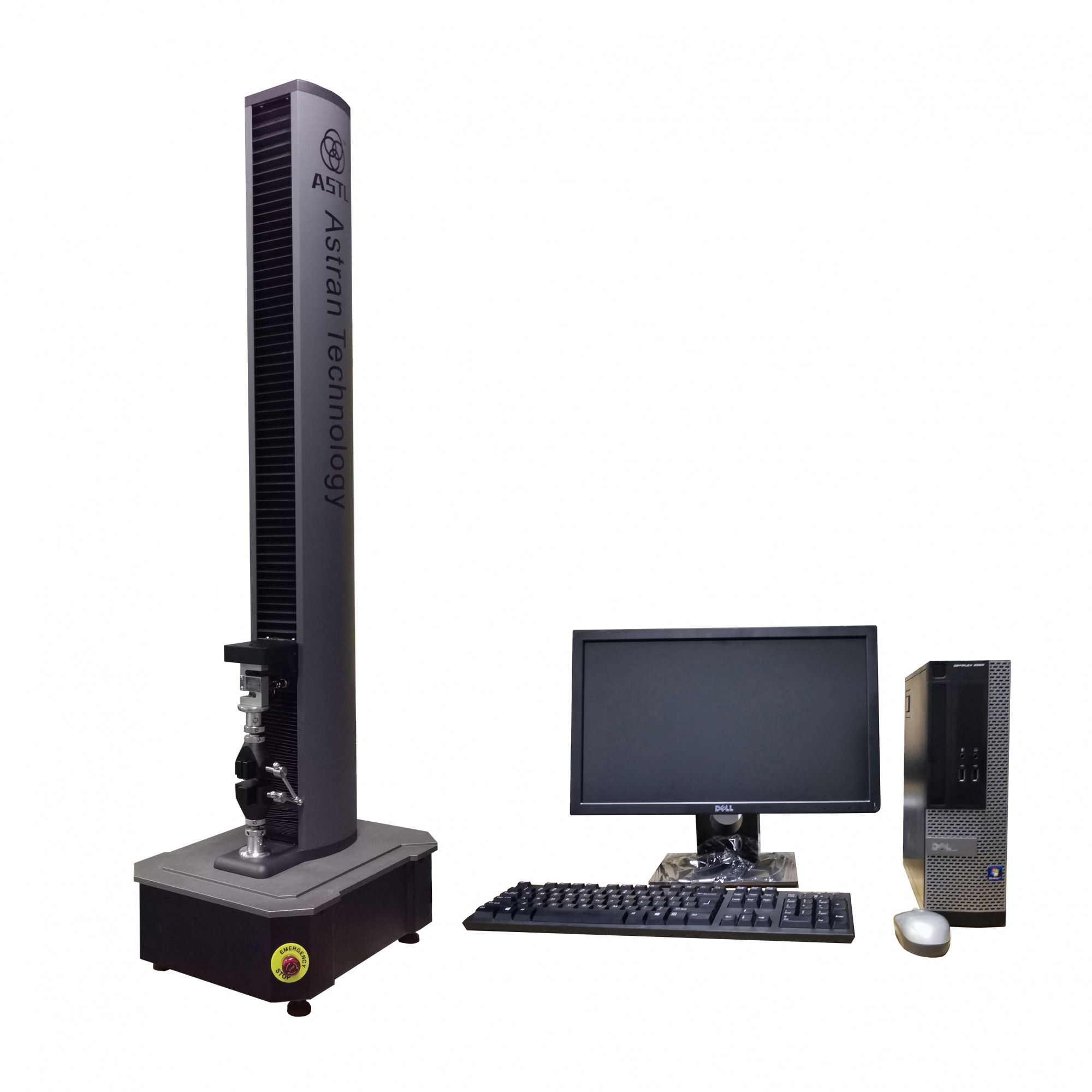
XD-E03 Tensile testing machine
When choosing a tensile testing machine, consider the following criteria:
- Maximum Load Capacity: Select based on the strongest material to be tested
- Crosshead Travel and Speed Range: Important for elongation-sensitive materials
- Load Cell Accuracy: Higher precision enables better compliance with standards
- Gripsand Fixtures: Choose based on sample shape, material type, and test method
- Software Capabilities: Look for flexible test creation, live graphing, and report customization
- Standard Compliance: Ensure machine adheres to ASTM, ISO, GB, JIS, or DIN standards
- Support and Service: Consider ease of calibration, availability of spare parts,and technical support
10. Frequently Asked Questions
What is the difference between tensile strength and elongation?
Tensile strength measures the maximum force a material can handle before breaking. Elongation describes how much the material can stretch before failure.
What is the standard speed for tensile tests?
Testing speed varies by material. For example, textiles often use 50 millimeters per minute, rubber may require 500 millimeters per minute, and metals typically use 1 to 10 millimeters per minute.
Can tensile tests be conducted in extreme temperatures?
Yes. Many machines support optional temperature chambers for hot and cold environment simulations.
Is regular calibration necessary?
Annual calibration is highly recommended to ensure measurement accuracy and compliance with test standards.
Final Thoughts: Why Tensile Testing Matters
Tensile testing is a foundational process for improving product performance, selecting the right materials, and validating product safety. With accurate tensile data, companies can innovate confidently, maintain quality assurance, and comply with global regulations.
Whether you are in research and development, production, or quality inspection, investing in a reliable tensile testing system delivers measurable benefits in performance, safety, and customer trust.
Need Help Choosing the Right Machine?
Our technical experts can guide you through selecting the perfect model for your application. Contact us today to get:
- Tailored machine recommendations
- Product datasheets
- Free software demos
- Technical consultation

点击右上角
分享给朋友吧







 Long by picture save/share
0
Prev : Frequently Asked Questions About Wash Color Fastness Testing
Next : Factors Influencing Performance and Accuracy of a Tensile Tester
Your liking is the energy source that I persist in writing
YouArticle
已有0人推荐
CONTACT US
 No. 94, Chenwu Section, Guantai Road, Houjie
Town, Dongguan City
 E-mail: sarah@astrand-martindale.com
jack@astrand-martindale.com
 Tel: (+86) 186 8867 2626 Jack
 Tel: (+86) 130 668 20203 Sarah
HOT TAGS
LATEST NEWS
SUBSCRIBE
Please read on, stay posted, subscribe, and we welcome you to tell us what you think.
Copyright © 2022 Dongguan Astrand Electronic Technology Co., Ltd. All Rights Reserved | Log in
Copyright © 2022 Dongguan Astrand Electronic Technology Co., Ltd. All Rights Reserved