 Astrand Electronic
Electronic Fiber Tensile Strength Test Machine (Single Column ) ASTRAND
View more




中文
English


24-Hour Hotline
+86 130 6682 0203 Sarah

E-mail Us
sarah@astrand-martindale.com

Categories
New Products


Factors Influencing Performance and Accuracy of a Tensile Tester
Time: 2025-06-23 16:09:04
Author: Sarah
From: Dongguan Astrand Electronic Technology Co.,Ltd
Click:
Factors Influencing Performance and Accuracy of a Tensile Tester
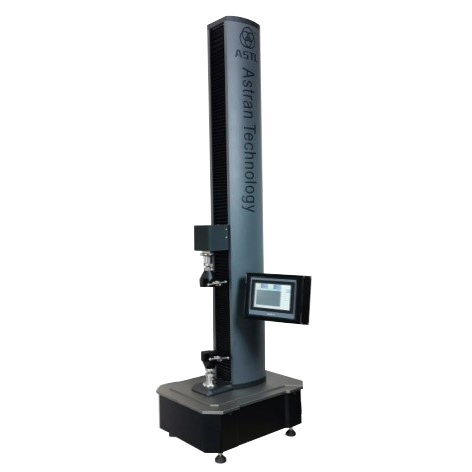
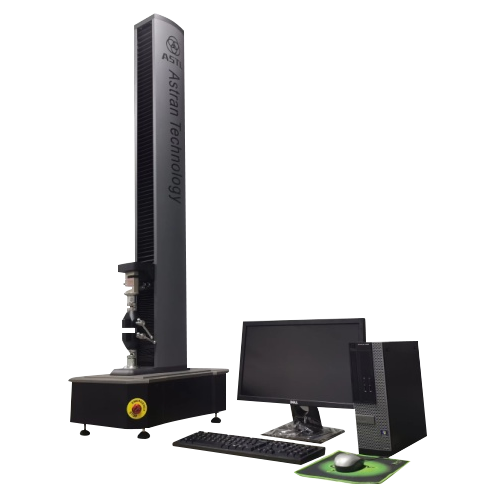
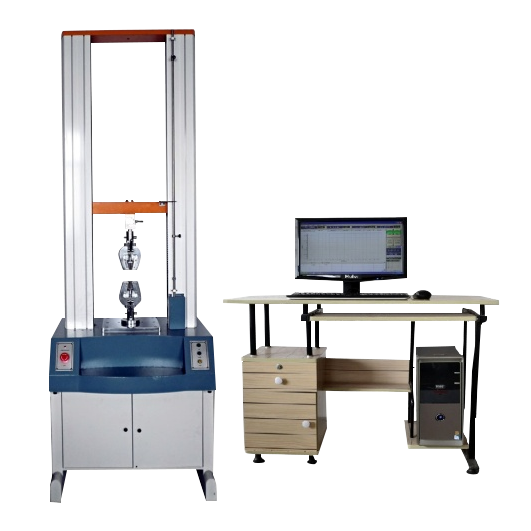
A tensile tester is a sophisticated piece of equipment that integrates mechanical engineering with modern electronics. It plays a critical role in material testing across industries such as textiles, plastics, rubber, metals, and composites. Understanding the factors that influence the performance and accuracy of a tensile testing machine is essential for ensuring reliable and repeatable test results. This guide provides a comprehensive breakdown of the core systems that impact tensile tester performance, along with technical insights and best practices.
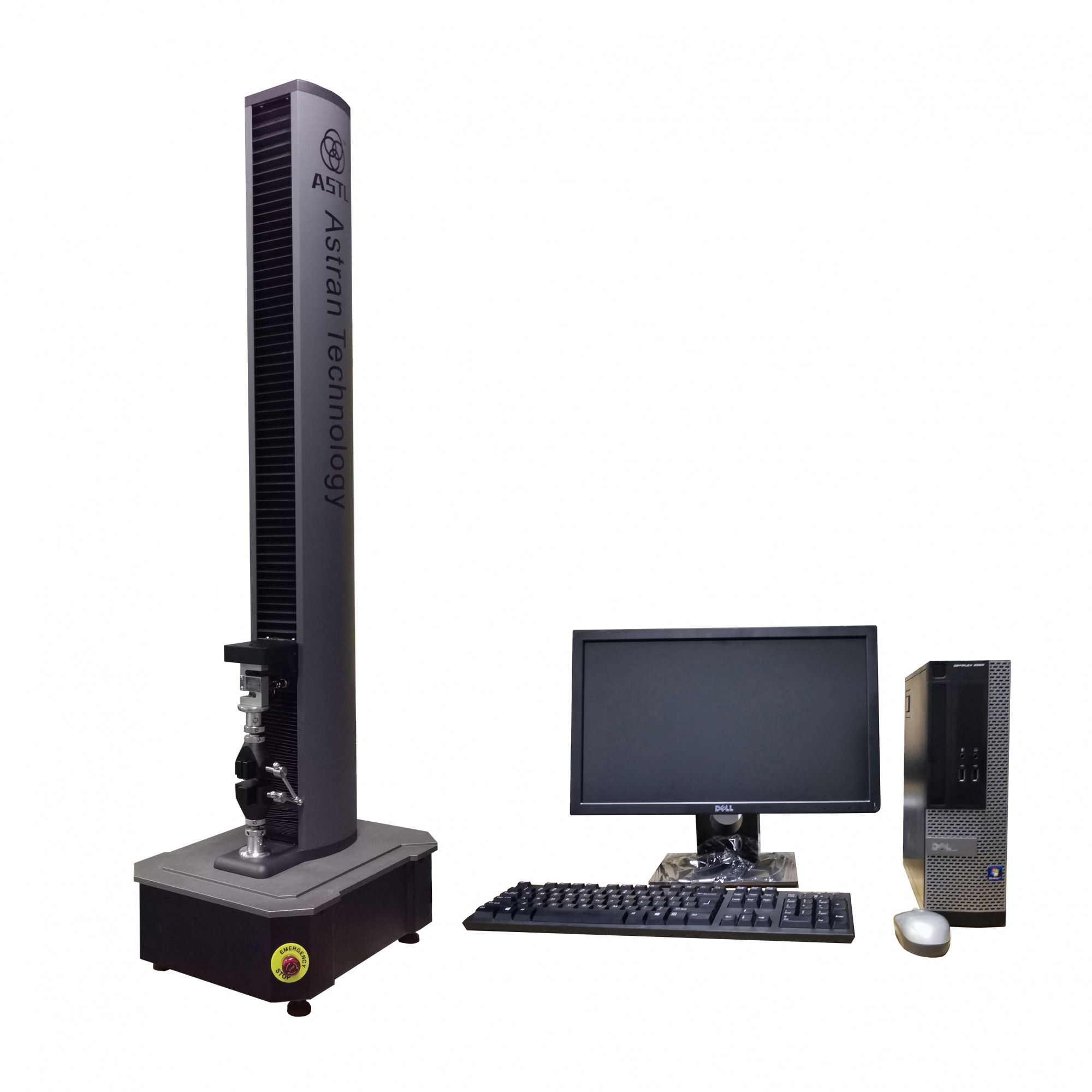
1. Force Measurement System: The Role of Load Cells and Sensors

How Force is Measured
Force measurement in a tensile tester is primarily carried out using load cells, which are typically based on strain gauge technology. This system includes:
- Strain gauges
- Elastic elements
- Amplifiers and signal conditioning
- Analog-to-digital conversion circuits
When a test specimen is subjected to a force, the load cell converts the mechanical strain into an electrical signal. This analog signal is then amplified, digitized, and processed by the control system to determine the force applied.
Types of Load Cells
Different load cell designs are used based on the application:
- S-type Load Cells – Ideal for smallforce ranges.
- Spoke-type Load Cells – Suitablefor high-force applications.
- Barrel, Beam, and Shear Load Cells– Used for specialized testing environments.
Accuracy Factors
The precision of a tensile tester’s force measurement is directly influenced by:
- Strain gauge quality
- Sensor material and structure
- Adhesive durability under aging conditions
- Bridge circuit design and amplifier resolution
Expert Tip: Opt for load cells from reputable brands with high linearity, low hysteresis, and thermal compensation features.
2. Deformation and Crosshead Displacement Measurement
Specimen Deformation Measurement
Deformation (or elongation) is measured using an extensometer or non-contact displacement sensors. These systems track changes in the length of the specimen during testing with high precision.
Key Technologies:
- Clip-on extensometers forhigh-precision elongation tracking.
- Video extensometers for non-contactoptical measurement.
- Laser displacement sensors forreal-time feedback.
Crosshead Displacement Tracking
The movement of the crosshead (upper grip) is tracked using a rotary or optical encoder. This encoder outputs pulse signals corresponding to the distance traveled, which are converted into displacement values.
Screw Type and Mechanical Transmission
The accuracy of displacement also depends on the type of screw used:
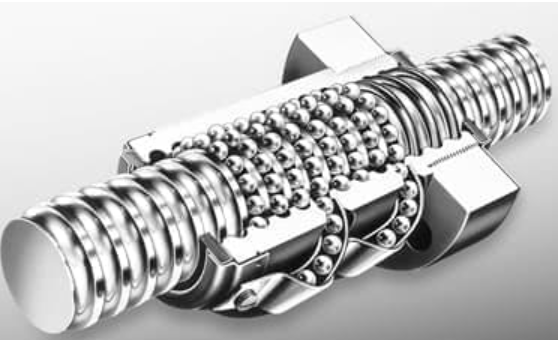
- Ball Screws – Offer low friction,no backlash, and high precision.
- Acme or Trapezoidal Screws – Moreaffordable but less accurate and durable.
Pro Tip: Use high-precision, backlash-free ball screws with hardened surfaces to reduce wear and improve lifetime performance.
3. Drive System: Motor and Speed Control
Motor Selection and Control Precision
The drive system moves the crosshead and applies load to the specimen. It typically consists of:
- Motor (servo or stepper)
- Gearbox
- Ball screw or lead screw
- Feedback control loops
Comparison of Motor Types:
| Motor Type | Speed Range | Precision | Typical Use |
| AC Servo Motor | 0.01–1000 mm/min | ★★★★★ | High-precision tests |
| Stepper Motor | 0.5–500 mm/min | ★★★☆☆ | General-purpose |
| Frequency Motor | Variable | ★★☆☆☆ | Inexpensive, less precise |
Why It Matters: Precise speed control ensures consistent strain rate, a key requirement for standard compliance (e.g., ASTM, ISO).
4. Control and Data Acquisition System
Core Functions
The control system manages all testing operations, including:
- Load application
- Speed regulation
- Real-time data acquisition
- Result analysis and reporting
Most modern systems use a closed-loop feedback control with digital signal processing for high-resolution sampling.
Control System Features to Look For
- 16-bit or 24-bit A/D converter forbetter resolution
- High sampling rate (≥1000 Hz)
- Digital communication (RS232/USB/Ethernet)
- Integrated software for test setup, control, and analysis
Advanced Option: Some tensile testers now support AI-powered data analytics, cloud integration, and remote diagnostics for smart manufacturing applications.
5. Additional Factors That Affect Accuracy and Performance
Environmental Conditions
- Temperature and humidity can affectsensor calibration.
- Vibration and electromagnetic interference can reduce measurement stability.
Calibration and Maintenance
- Regular calibration ensures conformity withinternational testing standards.
- Preventive maintenance of screws,sensors, and encoders extends machine life and ensures consistentperformance.
Testing Fixtures and Grips
Poor-quality grips can introduce slippage or misalignment, affecting results. Choose fixtures that match your sample type and material properties.
6. ASTRAND's Advantage in Precision Testing
ASTRAND tensile testers are engineered with premium components, including:
- Internationally recognized load cells
- High-accuracy ball screws
- Digital servo motor systems
- Advanced control software with ISO/ASTM preloaded standards
This ensures not only high precision and repeatability but also long-term durability and ease of use.
Conclusion: Optimize Your Testing Accuracy
When evaluating or purchasing a tensile tester, consider more than just the price or basic specifications. The performance and accuracy of your machine depend on a combination of high-quality mechanical components, robust electronics, intelligent control systems, and environmental conditions.
Key Takeaways:
- Select premium load cells with high linearity.
- Use backlash-free ball screws for precise displacement control.
- Choose servo motors with wide speed ranges and quick response.
- Ensure your control system uses high-resolution ADCs and fastsampling rates.
- Prioritize calibration, maintenance, and proper environmentalsetup.
Need Expert Help Choosing a Tensile Tester?
ASTRAND offers professional guidance tailored to your industry needs — from rubber and plastic testing to textile and metal analysis. Contact our experts today to learn more or schedule a demo.
Email: sarah@astrand-martindale.com
WhatsApp: +86 13066820203

点击右上角
分享给朋友吧







 Long by picture save/share
0
Your liking is the energy source that I persist in writing
YouArticle
已有0人推荐
CONTACT US
 No. 94, Chenwu Section, Guantai Road, Houjie
Town, Dongguan City
 E-mail: sarah@astrand-martindale.com
jack@astrand-martindale.com
 Tel: (+86) 186 8867 2626 Jack
 Tel: (+86) 130 668 20203 Sarah
HOT TAGS
LATEST NEWS
SUBSCRIBE
Please read on, stay posted, subscribe, and we welcome you to tell us what you think.
Copyright © 2022 Dongguan Astrand Electronic Technology Co., Ltd. All Rights Reserved | Log in
Copyright © 2022 Dongguan Astrand Electronic Technology Co., Ltd. All Rights Reserved