 Astrand Electronic
Electronic Fiber Tensile Strength Test Machine (Single Column ) ASTRAND
View more




中文
English


24-Hour Hotline
+86 130 6682 0203 Sarah

E-mail Us
sarah@astrand-martindale.com

Categories
New Products


ISO 105 E04 vs AATCC 15 vs JIS L0848 | Perspiration Fastness Test Standards
Time: 2025-06-30 14:44:44
Author: Sarah
From: Dongguan Astrand Electronic Technology Co.,Ltd
Click:
ISO 105 E04 vs AATCC 15 vs JIS L0848 | Perspiration Fastness Test Standards
A Deep Dive into Global Standards for Color Fastness to Perspiration
1. Introduction: The Role of Color Fastness in Global Textile Compliance
Color fastness to perspiration is a fundamental quality requirement in modern textile manufacturing. It ensures that garments retain their visual appeal and do not cause staining or skin irritation due to dye migration when exposed to sweat. As consumers become more demanding and regulations more stringent, color fastness testing is not merely a technical formality—it’s a brand reputation safeguard.
Manufacturers that export to multiple regions must comply with differing national and international test standards. Among these, ISO 105 E04:2013, AATCC 15:2009, and JIS L0848 are the most widely referenced. This guide analyzes and compares these standards to help professionals select the right method and understand global compliance requirements.

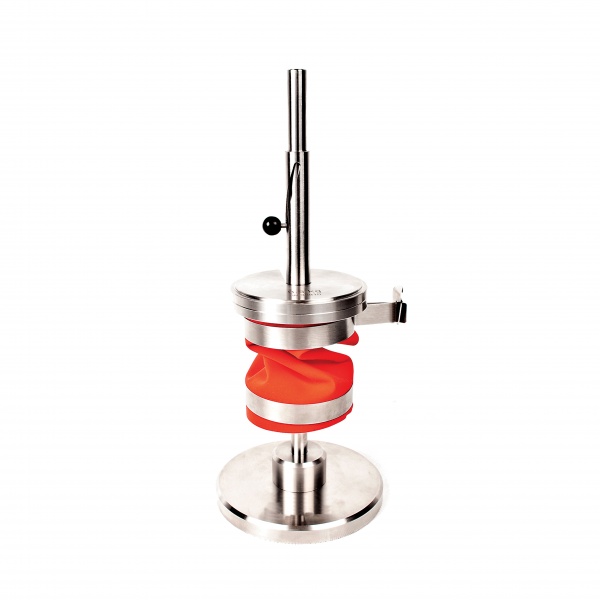
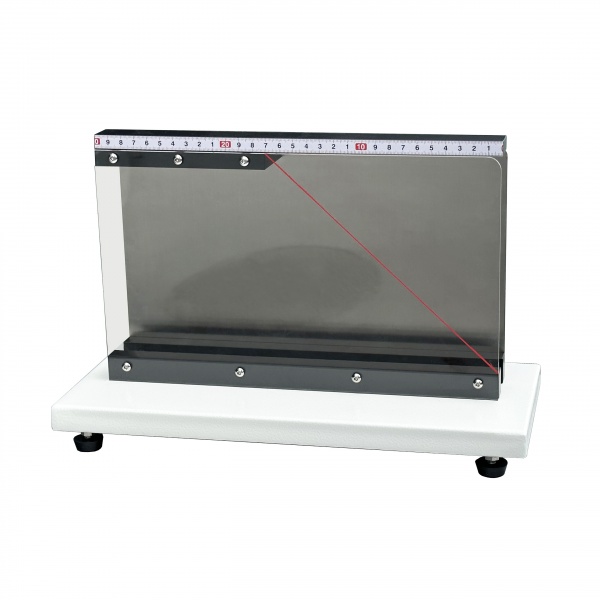
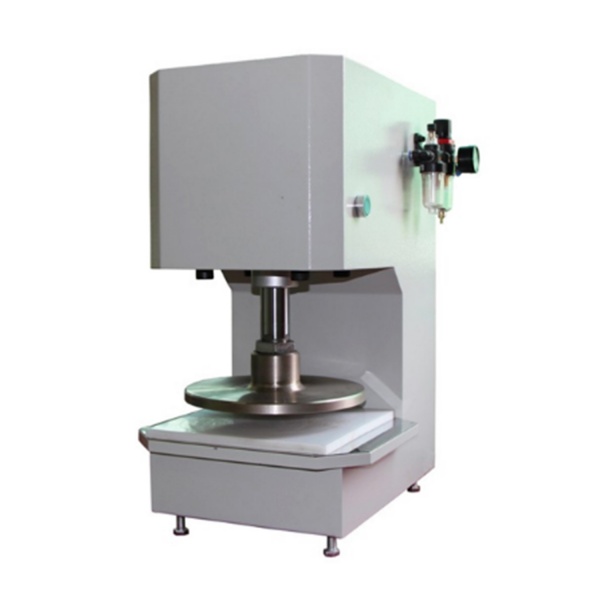
XD-C11 Perspiration fastness tester
2. Standard Backgrounds and Evolution
ISO 105 E04:2013
- Developed by the International Organization for Standardization(ISO).
- Part of the broader ISO 105 series focused on various colorfastness properties.
- The 2013 revision enhanced consistency in sample preparation,test solution composition, and rating procedures.
AATCC 15:2009
- Issued by the American Association of Textile Chemists andColorists (AATCC).
- Last major revision in 2009 with clarifications on gray scaleuse and updated oven drying guidelines.
- Often used for retail, fashion, and performance apparel importedor sold in the U.S.
JIS L0848
- Managed by the Japanese Industrial Standards Committee.
- Reflects Japan’s emphasis on product quality, environmentalsensitivity, and consumer health.
- Known for stringent accuracy in chemical and proceduralspecifications.
3. In-Depth Comparison of Test Procedures
Test Component | ISO 105 E04:2013 | AATCC 15:2009 | JIS L0848 |
Test Liquids | Separate acidic and alkaline solutions | Mixed solution simulating both | Separate acidic and alkaline |
pH Values | pH 5.5 ± 0.2 and pH 8.0 ± 0.2 | pH ~8.0 (alkaline) | pH 5.5 ± 0.2 and pH 8.0 ± 0.2 |
Specimen Dimensions | 40 × 100 mm | 40 × 100 mm | 40 × 100 mm |
Adjacency Fabric | ISO Multifiber (DW) | AATCC Multifiber | JIS-specified Multifiber |
Temperature | 37 ± 2°C | 37 ± 2°C | 37 ± 2°C |
Load Applied | 12.5 kPa pressure | 5 lbs. pressure | 12.5 kPa pressure |
Exposure Duration | 4 hours | 6 hours | 6 hours |
Drying Method | Air dry | Oven dry (60°C) | Air or oven drying |
Rating Tools | ISO Gray Scales | AATCC Gray Scales | JIS Gray Scales |
Evaluation Criteria | Color change & staining | Color change & staining | Color change & staining |
4. Key Differences Explained
4.1. Test Duration and Real-World Implications
- AATCC and JIS tests simulate longer wear conditions or environmentswith higher sweat retention, leading to potentially more severe colorchange/staining outcomes.
- ISO, with its shorter exposure (4 hours), represents anaverage, controlled perspiration exposure scenario.
4.2. Solution Composition and Accuracy
- JIS and ISO require precise formulation of separate acid andalkaline sweat, allowing for more targeted stress testing.
- AATCC’s single mixed solution simplifies testing but may notdetect dye vulnerability under specific pH conditions.
4.3. Drying Method Impact
- Oven drying can accelerate oxidation and intensify visual colorchanges, potentially yielding lower fastness ratings.
- Air drying, as used in ISO and optionally in JIS, reflectsmilder post-use conditions and may better represent real-world garmentuse.
4.4. Multifiber Adjacents
The type of multifiber fabric used affects stain ratings significantly due to dye affinity differences with each fiber. For instance:
- ISO DW Multifiber includes acetate, cotton, nylon, polyester,acrylic, wool.
- AATCC Multifiber features similar composition but sourced andwoven differently.
- JIS may use domestic Japanese standards or fibers with regionalrelevance.
5. Potential Sources of Testing Variability
- Improper solution pH calibration
- Inconsistent specimen pressure
- Non-standard oven drying settings
- Inaccurate gray scale interpretation
- Operator bias in visual assessment
Tip: Use spectrophotometers or digital rating systems for higher objectivity, especially in inter-lab comparisons.
6. Application Scenarios by Market
Region | Preferred Standard | Industry Focus |
USA | AATCC 15:2009 | Sportswear, babywear, fast fashion |
Europe | ISO 105 E04:2013 | General textiles, eco-labeling |
Japan | JIS L0848 | High-end apparel, uniforms |
ASEAN/India | ISO 105 or AATCC | Mixed adoption depending on buyer |
7. Strategic Recommendations for Manufacturers
- Exporting to Multiple Markets? Run all three tests to avoiddisputes.
- High-Risk Products (e.g. dark dyes, cotton blends)? PrioritizeISO and JIS for rigorous alkaline/acid separation.
- Low-Risk/Basic Garments? AATCC 15 provides an efficient andeconomical assessment.
- Selling in Japan? Match JIS protocol precisely—Japanese buyersoften require exact documentation.
8. Equipment Requirements
To conduct ISO, AATCC, or JIS perspiration fastness tests, ensure you have:
- Perspiration tester with calibrated loading weights
- Temperature-controlled incubator or oven
- Accurately mixed artificial perspiration solutions
- Gray scales for color change & staining
- Digital colorimeters (optional, for precision grading)
9. Common Misconceptions
- “AATCC is less strict.”
Not always. The 6-hour duration and oven drying may yield more aggressiveresults than ISO. - “All multifiber fabrics are the same.”
False. Each standard specifies unique fiber types, blends, andweave—impacting stain absorption. - “ISO compliance means global compliance.”
No. Many buyers (especially U.S. and Japanese) require standard-specificdocumentation.
10. Conclusion: Tailor Your Testing for Global Success
Understanding and applying the right color fastness to perspiration standard is essential in today's fragmented, multi-standard world. Whether you're exporting to the U.S., Europe, Japan, or beyond, testing to ISO 105 E04:2013, AATCC 15:2009, or JIS L0848 ensures quality, reduces risk, and boosts buyer confidence.
Need Help with Testing, Equipment or Consultation?
Astrand Testing Solutions offers:
Full compliance testing for ISO, AATCC, and JIS standards
Advanced perspiration testers and calibration services
Testing training and documentation for your QC team
Global consultation in English, Chinese, and Japanese
Contact: sarah@astrand-martindale.com
WhatsApp: +86 13066820203
FAQs
Q1: Can I choose just one standard to test?
Only if your market or buyer explicitly accepts it. For global distribution, multi-standard testing is advisable.
Q2: Which test gives the most conservative (strictest) result?
AATCC often yields the strongest color change due to oven drying. JIS offers the most detailed control over solution chemistry.
Q3: Can I use digital equipment instead of gray scales?
Yes, spectrophotometers or image-based systems can provide more objective readings, but gray scales are still the reference.
Q4: How often should my lab recalibrate its equipment?
At least every 12 months, or sooner if there's noticeable data deviation.

点击右上角
分享给朋友吧







 Long by picture save/share
0
Your liking is the energy source that I persist in writing
YouArticle
已有0人推荐
CONTACT US
 No. 94, Chenwu Section, Guantai Road, Houjie
Town, Dongguan City
 E-mail: sarah@astrand-martindale.com
jack@astrand-martindale.com
 Tel: (+86) 186 8867 2626 Jack
 Tel: (+86) 130 668 20203 Sarah
HOT TAGS
LATEST NEWS
SUBSCRIBE
Please read on, stay posted, subscribe, and we welcome you to tell us what you think.
Copyright © 2022 Dongguan Astrand Electronic Technology Co., Ltd. All Rights Reserved | Log in
Copyright © 2022 Dongguan Astrand Electronic Technology Co., Ltd. All Rights Reserved