 Astrand Electronic
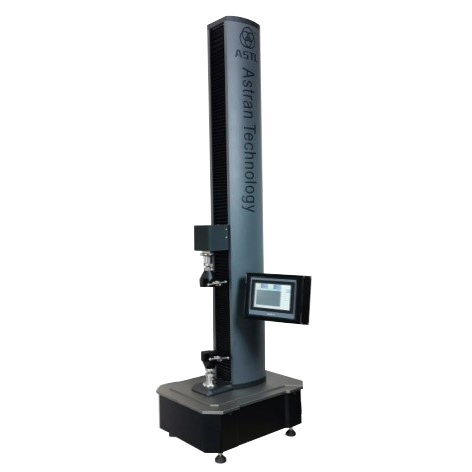
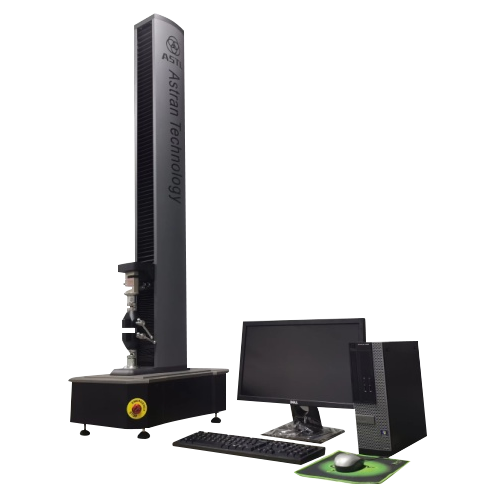
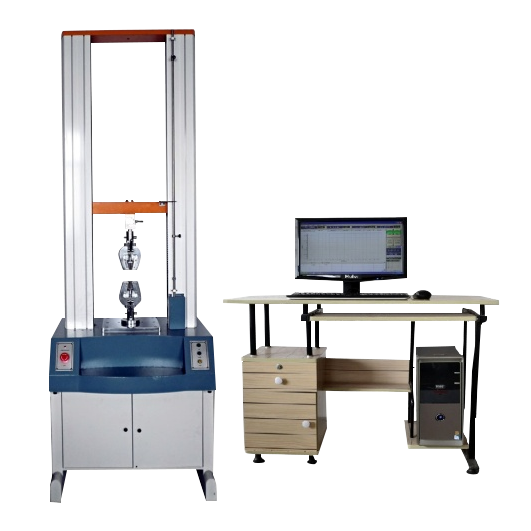
Electronic Fiber Tensile Strength Test Machine (Single Column ) ASTRAND
View more




中文
English


24-Hour Hotline
+86 130 6682 0203 Sarah

E-mail Us
sarah@astrand-martindale.com

Categories
New Products


A Breakdown of Common Clothing Fabrics: What You Don’t Know as a Consumer or Fabric Buyer
Time: 2025-07-29 12:00:00
Author: Sarah
From: Dongguan Astrand Electronic Technology Co.,Ltd
Click:
Understanding textiles goes far beyond recognizing cotton or wool labels. As a consumer—or especially as a professional fabric buyer—you need a deeper, more nuanced perspective. From thread count to fiber diameter, fabric selection hinges on a set of technical criteria that drastically influence quality, cost, comfort, and longevity. This article demystifies clothing fabrics and provides an expert-level understanding of cotton, silk, wool, and other textile types.
Why Buyers View Textiles Differently
Buyers prioritize the practical applications, performance, and value-for-money of textiles. Instead of simply asking “What is this fabric?” they ask, “How will this fabric perform?” This guide takes an application-first approach to explain fabric types.
1. Cotton and Silk Fabrics: Grades, Performance & Feel
1.1 Understanding Cotton Grades
Cotton fabric quality varies significantly depending on the fiber length, stitch density, and yarn count. Here’s a breakdown:
· Short Staple Cotton (General Use) – Typically used in low-cost or disposable garments.
· Long-Staple Cotton (Premium Everyday Use) – Includes Pima cotton and Island cotton, known for their softness and durability.
· Extra-Long-Staple Cotton (Luxury) – Examples include Egyptian cotton (e.g., Giza 45, Giza 70) and West Indian Sea Island cotton, offering superior strength, softness, and sheen.
Note: Due to regional naming differences, the same fiber might be called different names (e.g., Pima in the U.S. is similar to Egyptian cotton).
1.2 Thread Count and Density Explained
· Yarn Count (S) – Indicates thread thickness. Higher counts mean finer yarn. Example: 100S cotton is thinner and smoother than 40S.
· Thread Density (T or TC) – Refers to the number of threads per square inch. Higher values mean denser, more luxurious fabric.
Example Classification:
| Level | Shirt Count | Bed Linen Count | Density(T) |
| Very Poor | < 40S | < 30S | < 200T |
| General | 40-60S | 40-60S | 200T–600T |
| Premium | 60-100S | 80-100S | 800T–1000T |
| High-End | 100-140S | 100-140S | 1000T–1400T |
Luxury | > 140S | > 140S | > 1400T |
1.3 Visual & Tactile Quality Assessment
Beyond numbers, discerning fabric quality often comes down to touch and sight: - Luster and smoothness usually correlate with high counts. - Weight and texture should feel balanced—too thin and it loses structure, too thick and it lacks drape.
1.4 High-End Cotton Brands to Watch
· Switzerland: Alumo
· Italy: Monti, Albini, Leggiuno, Testa
These brands are known for producing high-count, high-density cotton shirting fabrics.
1.5 Mulberry Silk: Types and Applications
Silk fabrics vary in texture, thickness, and drape based on weaving technique and weight (measured in mommes, mm).
| SilkType | Characteristics | CommonUses |
| Plain Crepe | Smooth, good shrinkage, wrinkle-resistant | Shirts, blouses |
| Double Crepe | Not flat, wrinkle-prone | Shirts, blouses |
| Crepe de Chine | Twill texture, heavier than double crepe | Dresses |
| Aya | General twill fabric | Less comfortable wear |
| Georgette Yarn | Light, easy to snag | Scarves |
| Bicameral | Rough texture, pimple grain | Evening wear |
| Taffeta | Permanent creases, stiff, degassed | Gowns, special occasions |
| Jacquard Silk | Woven patterns, non-reversible | Outerwear |
| Heavyweight Silk | >16mm, lustrous, resistant to wrinkles | Premium clothing |
Pro Tip: Brands like Hermès use 22mm+ heavyweight silk for scarves.
1.6 Linen (Flax) Fabrics
Linen is ideal for summer wear due to its breathability and moisture absorption. However, its tendency to wrinkle gives it a more natural, high-end aesthetic that many luxury brands market as premium.
2. Wool and Cashmere: Understanding Grades and Micron Counts
2.1 Key Differences Between Wool & Cashmere
· Wool is derived from sheep, whereas cashmere comes from goats.
· Cashmere is up to 8x warmer than wool while being significantly lighter.
2.2 Grading Wool by Purity and Count
| Grade | Wool Content | Count Range | Notes |
| Low Grade | < 50% | — | Not suitable for premium clothing |
| Medium-Low | 50–95% | — | Blend; count usually not declared |
| Medium-High | > 95% | 100–200 | Acceptable quality |
| Luxury | 100% | 120–180 | Near cashmere levels |
| Top Extravagance | 100% | 180–250 (Super 250) | Rare, ultra-fine fibers |
Fiber Fineness: Measured in microns. - Merino wool: ~20 microns. - Cashmere: ~15–17 microns. - Vicuna: ~11 microns (rarest and most expensive).
2.3 Wool Types Ranking
From common to ultra-premium:
1. Mohair (Angora wool) – 25 microns
2. Cashmere – 19 microns
3. Himalayan Cashmere (Pashmina)
4. Tibetan Antelope Mixes (Shatoosh)
5. Capra Hircus (Scottish cashmere)
6. Vicuna – 11 microns, rare, warm, ultra-luxurious
3. Alpaca Wool: The Gold Standard of Warmth
Alpaca wool is known as the “soft gold” of fabrics due to its ultra-fine fibers and warmth-to-weight ratio.
3.1 Types of Alpaca Wool
| Type | Characteristics | Notes |
| Huacaya | Soft, mass-bred, Merino-like | Most common, cost-effective |
| Iama | Largest alpaca breed | Produces ~600 tons/year, lanolin-free |
| Suri | Long fiber, lustrous, rare | 3x the price of Huacaya |
| Guanaco | Vicuna-like but less expensive | Small-scale production |
| Vicuna | Rare, finest fibers (~11 microns) | ~4 tons/year, luxury-exclusive |
Note: Vicuna is protected and extremely limited in availability, making it the most prestigious among natural fibers.
4. Buying Tips for Wool & Cashmere
· Avoid burn tests. Wool blends (especially with rabbit fur) may yield false results.
· Water soak test. Inferior cashmere degrades visibly in water.
· Check finish and texture. High-end wool is smooth and evenly dyed.
· Be wary of dense textures that feel thin. High-count doesn’t always equal quality.
5. Suit Fabrics: British vs. Italian
5.1 British Suit Fabrics
Known for thickness, structure, and cool-season suitability. - Scabal – Prestigious, expensive - Dormeuil – French origin, similar to British aesthetics - Holland & Sherry – Wide range, some made in Italy
5.2 Italian Suit Fabrics
Lightweight, soft, and ideal for spring/summer. - Ermenegildo Zegna – Includes Trofeo, 13mm - Loro Piana – Quiet luxury, subtle branding - Cerruti 1881, VBC, Carlo Barbera – Good for everyday business suits
6. Key Textile Terms and Concepts Every Buyer Should Know
To fully understand what textiles are—and how they’re evaluated across the industry—it's essential to grasp a few core concepts. These terms are commonly used in textile production, specification sheets, and sourcing communications. Mastering them empowers you to make informed decisions and communicate more effectively with manufacturers, suppliers, and clients.
Warp, Warp Yarn & Warp Density
- Warp refers to the lengthwise threads running parallel to the fabric’s selvage (the finished edge).
- The yarns in this direction are called warp yarns.
- Warp density indicates the number of warp yarns per unit length—typically measured per inch or per 10 centimeters. It tells you how tightly the warp yarns are woven.
- Example: A warp density of 108 means there are 108 yarns running lengthwise per inch (or per 10 cm, depending on the standard).
Weft, Weft Yarn & Weft Density
- Weft (or filling) is the crosswise direction—running perpendicular to the warp.
- Yarns in this direction are called weft yarns.
- Weft density refers to the number of weft yarns inserted across one inch (or 10 cm) of fabric.
Together, warp and weft densities define the overall construction and firmness of a woven fabric.
Fabric Density
- Density is a comprehensive term describing how many yarns (both warp and weft) are packed into a given area of fabric.
- In China, official national standards usually calculate density over a 10 cm segment. However, most textile professionals still prefer to express density in yarns per inch.
- Example: A fabric labeled as 45×45 / 108×58 means:\n> - Warp yarn count: 45\n> - Weft yarn count: 45\n> - Warp density: 108 yarns/inch\n> - Weft density: 58 yarns/inch
This information directly affects fabric strength, softness, breathability, and weight.
Fabric Width
- Width is the measurement of a fabric from edge to edge, typically expressed in inches or centimeters.
- Standard widths might include 36”, 44”, 56”, or 60”, depending on the application and machinery used.
- Width is often combined with fabric density to fully describe a fabric’s specification.
- Example: A fabric described as 45×45 / 108×58 / 60 has a width of 60 inches.
GSM (Grams per Square Meter)
- GSM refers to the weight of the fabric in grams per one square meter and is a vital indicator of thickness and durability.
- Heavier GSM values imply thicker or more robust fabric.
- Commonly used in knitted fabrics, fleece, terry, jersey, and coarse woolen materials.
- Denim and other heavier woven fabrics often use ounces per square yard instead. For example, 7 oz denim is lighter than 12 oz denim.
Yarn-Dyed (Color-Weave) Fabrics
- Also known as color-woven or yarn-dyed textiles.
- In this process, the yarn is dyed before weaving, rather than dyeing the entire fabric afterward.
- This method produces rich, long-lasting color effects and is commonly used in shirts, suiting, ginghams, and denim.
- In Japanese textile terminology, this is sometimes called the “first dyed fabric.”
- Yarn-dyed fabrics offer superior color retention and more complex patterning compared to piece-dyed fabrics.
Why These Terms Matter
Whether you're a designer, brand owner, or sourcing manager, these technical terms will become your essential vocabulary in textile selection. They not only help you define your product requirements more clearly, but also give you credibility when negotiating with manufacturers or specifying fabrics to buyers.
By now, you should have a deeper understanding not only of what textiles are—but how they’re evaluated, graded, and discussed in the professional world.
Final Thoughts: What Makes a Textile “Premium”?
In conclusion, understanding textiles means looking beyond brand names and marketing buzzwords. From thread count to fiber micron, from origin to treatment, the true value of fabric lies in its material science.
So, what is textile? It’s the intersection of fiber quality, weave technology, and practical application—matched to your budget, needs, and expectations.
Whether you’re sourcing fabrics for a fashion line or simply buying a quality shirt, knowing these hidden layers gives you a sharp edge as a buyer or consumer.

点击右上角
分享给朋友吧







 Long by picture save/share
0
Prev : What Is a Textile? A Complete and In-Depth Guide to Textile Classification
Next : Professional Textile Testing Methods: How to Evaluate and Ensure Fabric Quality
Your liking is the energy source that I persist in writing
YouArticle
已有0人推荐
CONTACT US
 No. 94, Chenwu Section, Guantai Road, Houjie
Town, Dongguan City
 E-mail: sarah@astrand-martindale.com
jack@astrand-martindale.com
 Tel: (+86) 186 8867 2626 Jack
 Tel: (+86) 130 668 20203 Sarah
HOT TAGS
LATEST NEWS
SUBSCRIBE
Please read on, stay posted, subscribe, and we welcome you to tell us what you think.
Copyright © 2022 Dongguan Astrand Electronic Technology Co., Ltd. All Rights Reserved | Log in
Copyright © 2022 Dongguan Astrand Electronic Technology Co., Ltd. All Rights Reserved