 Astrand Electronic
Electronic Fiber Tensile Strength Test Machine (Single Column ) ASTRAND
View more




中文
English


24-Hour Hotline
+86 130 6682 0203 Sarah

E-mail Us
sarah@astrand-martindale.com

Categories
New Products


Professional Textile Testing Methods: How to Evaluate and Ensure Fabric Quality
Time: 2025-07-30 12:00:00
Author: Sarah
From: Dongguan Astrand Electronic Technology Co.,Ltd
Click:
Understanding the difference between high-quality and substandard textiles requires more than just visual or tactile inspection. To evaluate textile quality reliably and scientifically, specialized techniques, testing protocols, and professional equipment are necessary. This guide explores the authoritative methods used in the textile industry to assess quality—essential knowledge for manufacturers, quality assurance professionals, fabric buyers, and sourcing managers.
Textile quality is generally assessed through the following major testing categories, each involving a set of procedures and instrumentation:
1. Physical Performance Testing
Objective: Assess mechanical behavior and durability of textile materials.
Detailed Testing Procedures:

1. Place the fabric flat on a sample board.
2. Use a pick glass or digital density analyzer to count warp and weft yarns.
3. Record the number of yarns per inch (or per 10 cm).
4. Repeat at several points and average the result.

1. Cut a specified length of yarn using a wrap reel.
2. Weigh it on an analytical balance to calculate count (Tex, Denier, or Ne).
3. For twist, clamp yarn between two holders and use a twist tester to untwist.
4. Record twists per meter or inch.
· GSM (Gram per Square Meter) Measurement

1. Use a GSM cutter to cut a circular sample (typically 100 cm²).
2. Weigh it on a precision electronic balance.
3. Multiply the weight by 100 to get GSM.
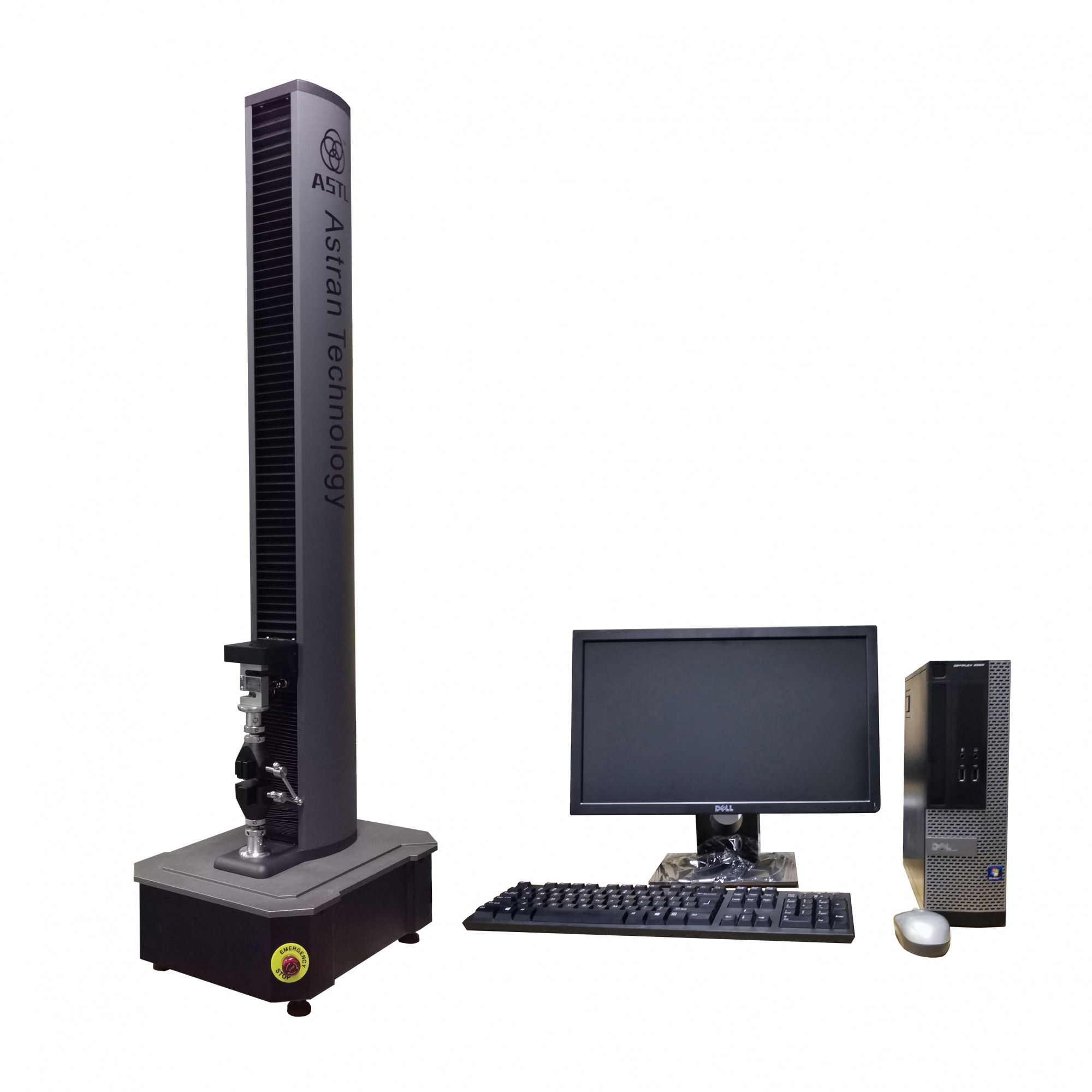
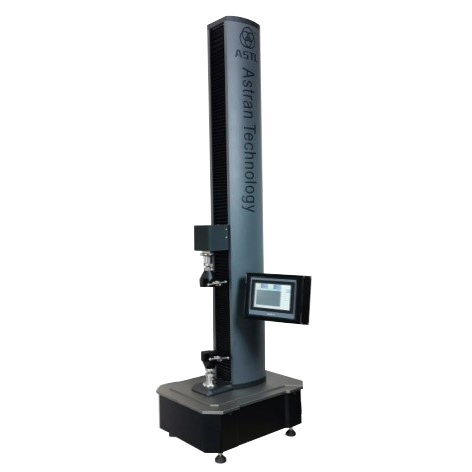
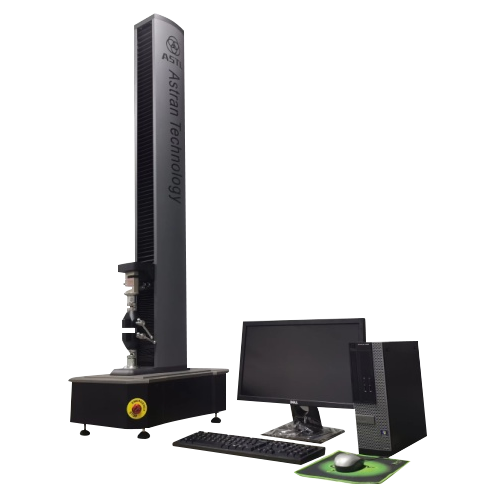
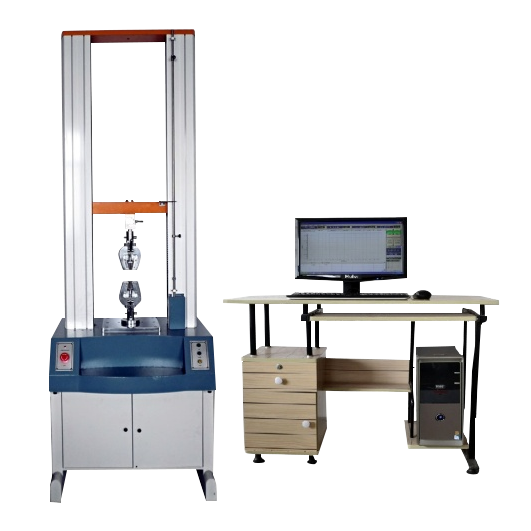
1. Cut fabric samples (e.g., 100 mm x 300 mm).
2. Mount samples in a tensile testing machine.
3. Apply load at a constant rate until breakage.
4. Record maximum force and elongation.
· Tear Strength Test (Elmendorf Method)
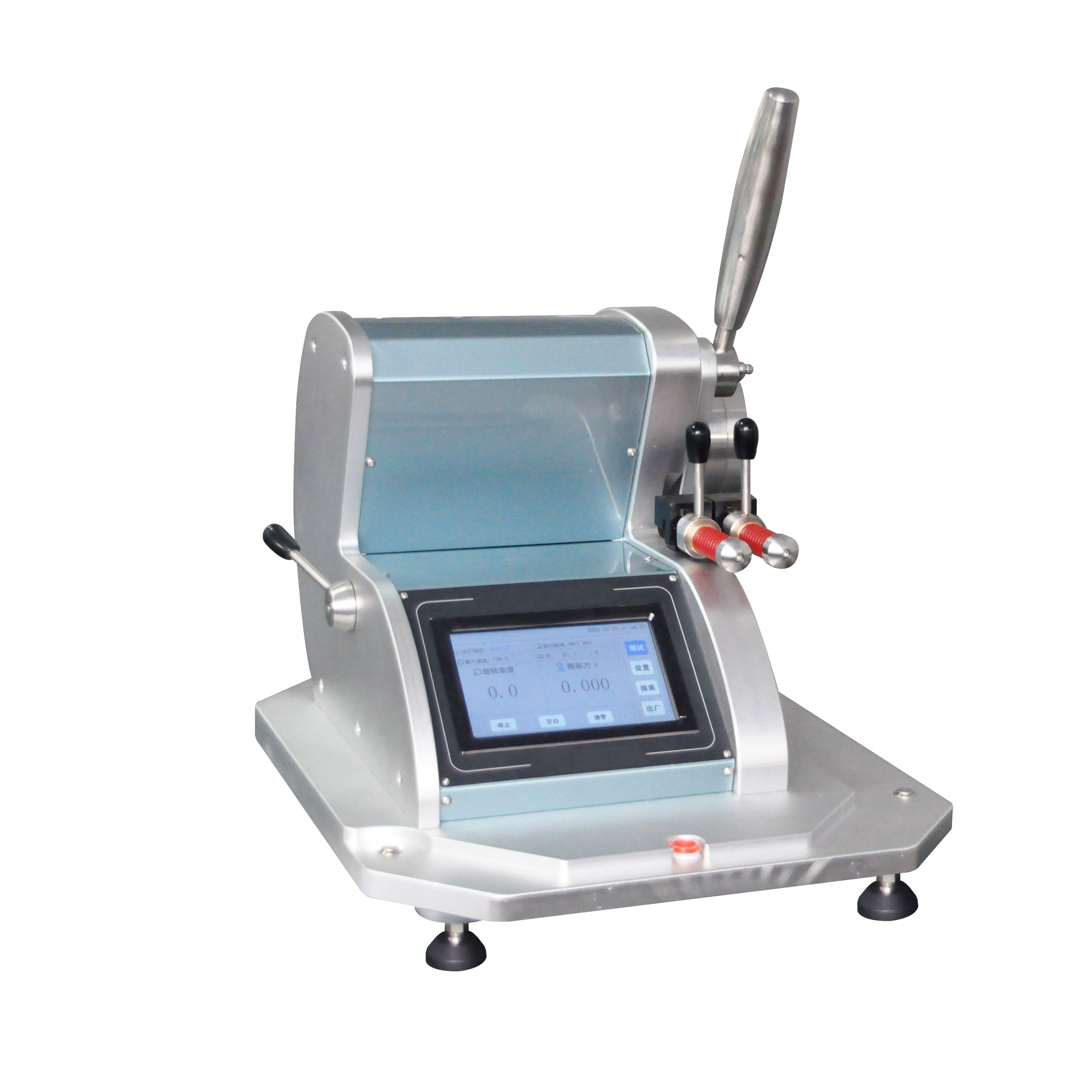
1. Prepare a pre-cut fabric sample.
2. Place in tear tester and release pendulum.
3. Measure the energy required to tear through the material.
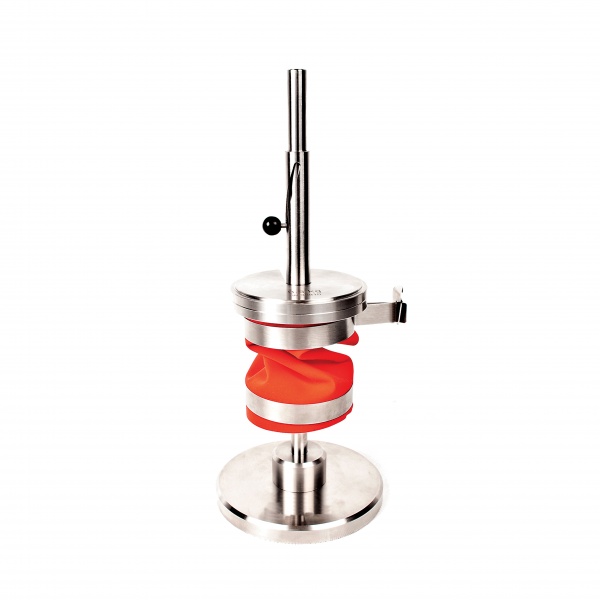
· Bursting Strength Test
1. Clamp knit fabric in a diaphragm bursting tester.
2. Apply hydraulic pressure from beneath.
3. Record pressure at which fabric bursts.
· Seam Slippage Test
1. Stitch a seam sample with standard settings.
2. Mount the sample in a tensile tester.
3. Apply force and measure displacement before fabric tears.

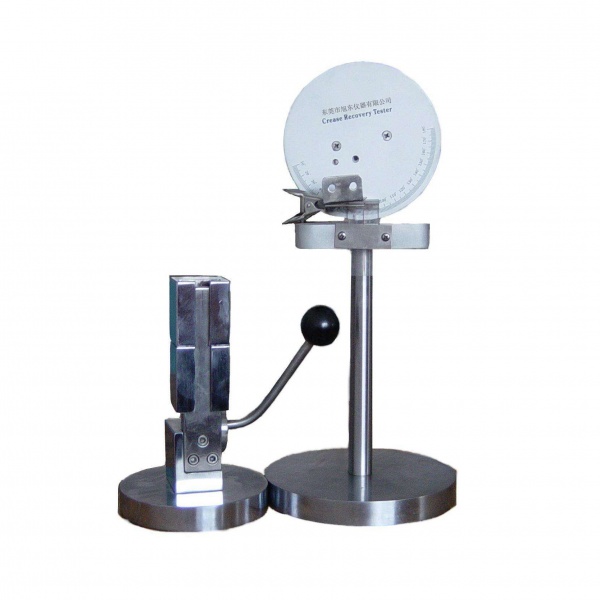
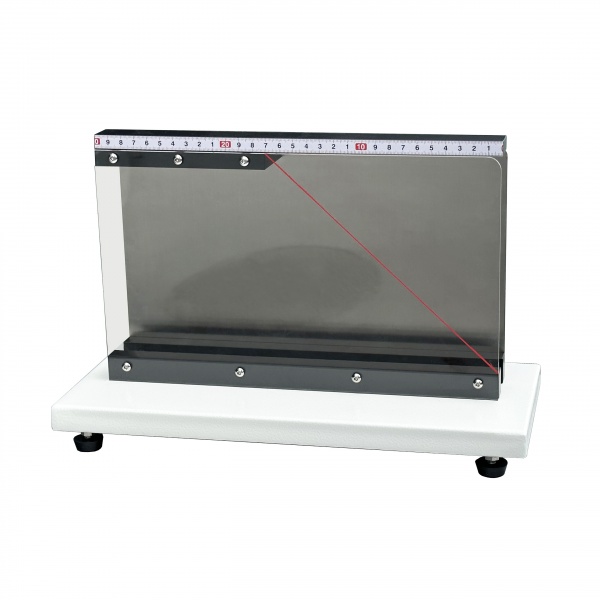
1. Fold and press a fabric specimen for 5 minutes.
2. Release and allow to recover under standard conditions.
3. Measure the angle of recovery using a protractor device.
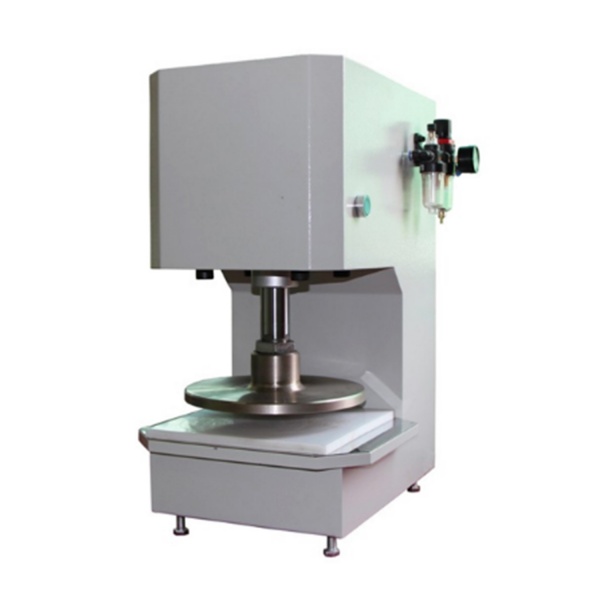
· Air Permeability Test
1. Mount fabric in an air permeability tester.
2. Apply a pressure differential.
3. Measure airflow rate in cm³/sec.
· Abrasion Resistance Test (Martindale Method)
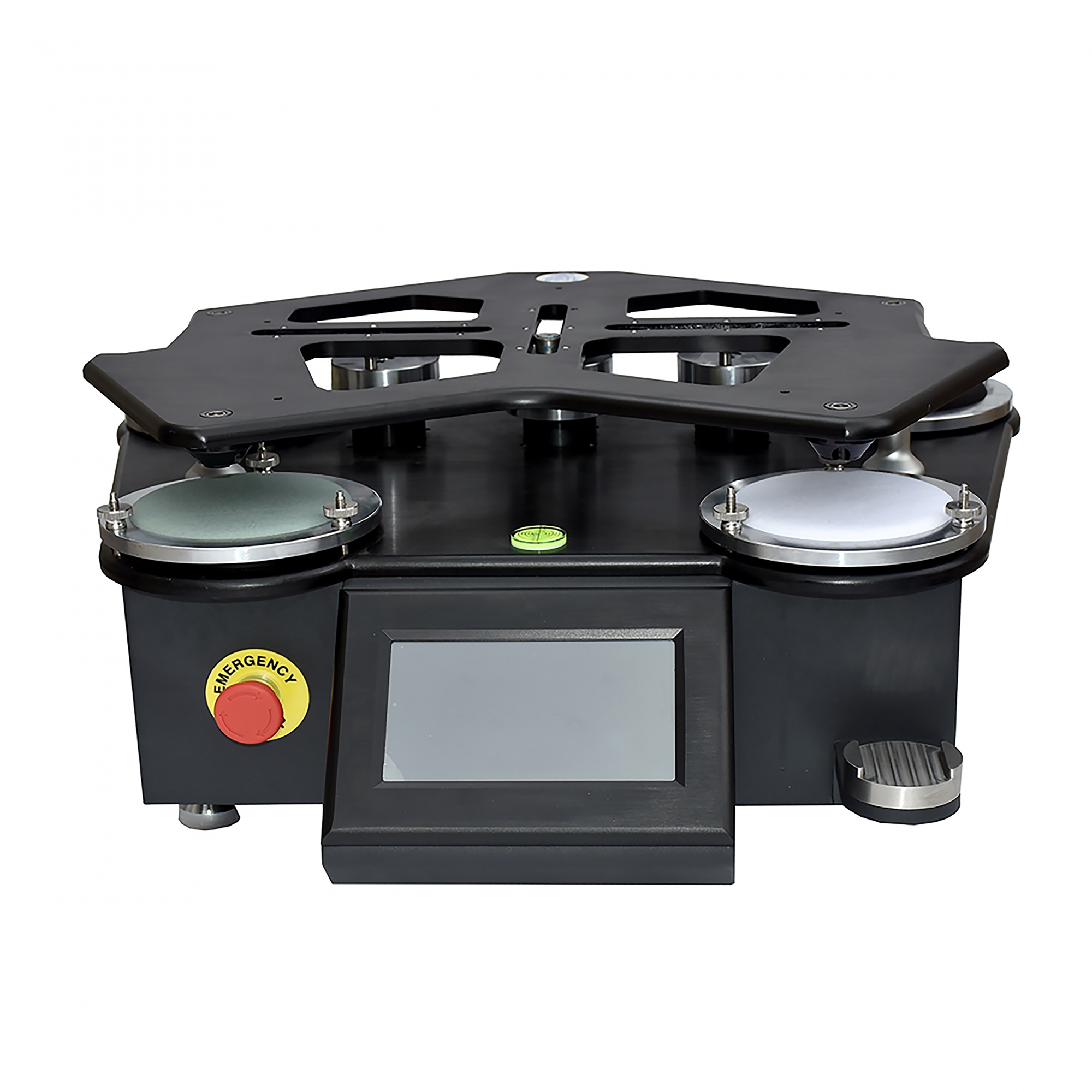
1. Mount sample on Martindale machine.
2. Rub against standard abrasive under fixed pressure.
3. Count cycles until thread breakage or visual wear.
2. Chemical Properties Testing
Objective: Evaluate chemical safety, residue, and structural stability under chemical stress.
Detailed Testing Procedures:
· pH Value Test
1. Prepare fabric extract in deionized water.
2. Stir and filter the solution.
3. Measure pH using a calibrated digital pH meter.
· Azo Dye Test
1. Extract colorants from sample using solvent.
2. Reduce azo groups to amines.
3. Analyze via HPLC or GC-MS to detect banned amines.
· Formaldehyde Test
1. Use water extraction or vapor absorption methods.
2. React with acetylacetone.
3. Measure color development by spectrophotometer.
· Heavy Metal Test
1. Digest sample in acid (HNO3 or HCl).
2. Analyze solution with Atomic Absorption Spectroscopy (AAS) or ICP-MS.
· Phenolic Yellowing Test
1. Wrap sample with phenol-impregnated paper.
2. Condition under specified humidity and temperature.
3. Observe color change on a grey scale.
3. Dimensional Stability Testing
Objective: Assess how fabric dimensions change under various cleaning processes.
Detailed Steps:

1. Mark reference points on fabric (length and width).
2. Wash under standard ISO 6330 conditions.
3. Dry, condition, and re-measure dimensions.
4. Calculate percentage change.
· Dry Cleaning Test
1. Clean sample in perchloroethylene using ISO 3175 protocol.
2. Condition and measure dimensional changes.
1. Expose fabric to saturated steam.
2. Re-measure and record any dimensional contraction.
· Hand Washing
1. Simulate consumer washing manually.
2. Measure dimensional and visual changes post-wash.
4. Color Fastness Testing
Objective: Evaluate durability of fabric color under various stress conditions.
Detailed Steps:

1. Wash with standard detergent and ballast fabrics.
2. Dry and evaluate color change and staining using grey scales.
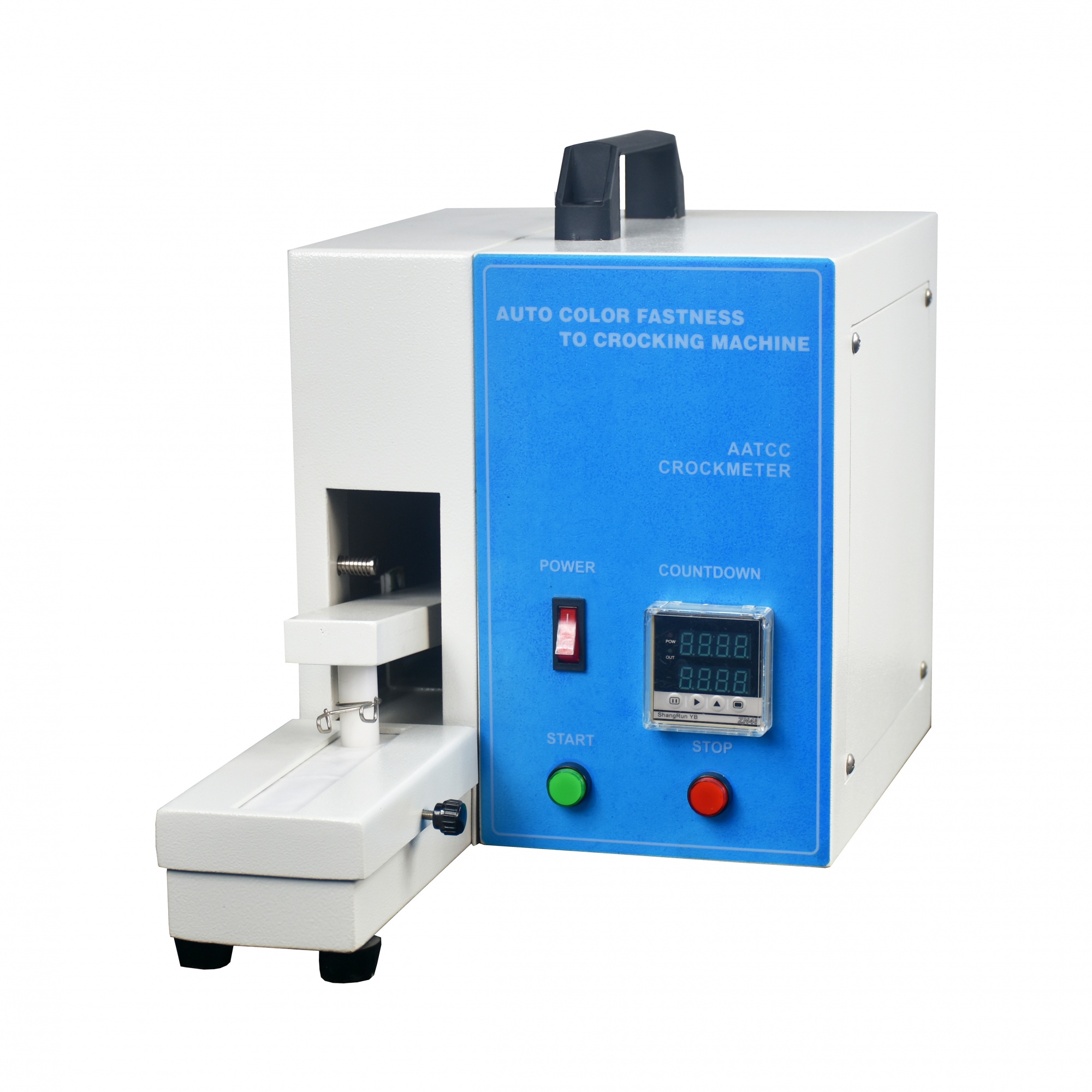
1. Mount fabric in a Crockmeter.
2. Rub with white test cloth (dry/wet).
3. Evaluate transfer of color to rubbing cloth.
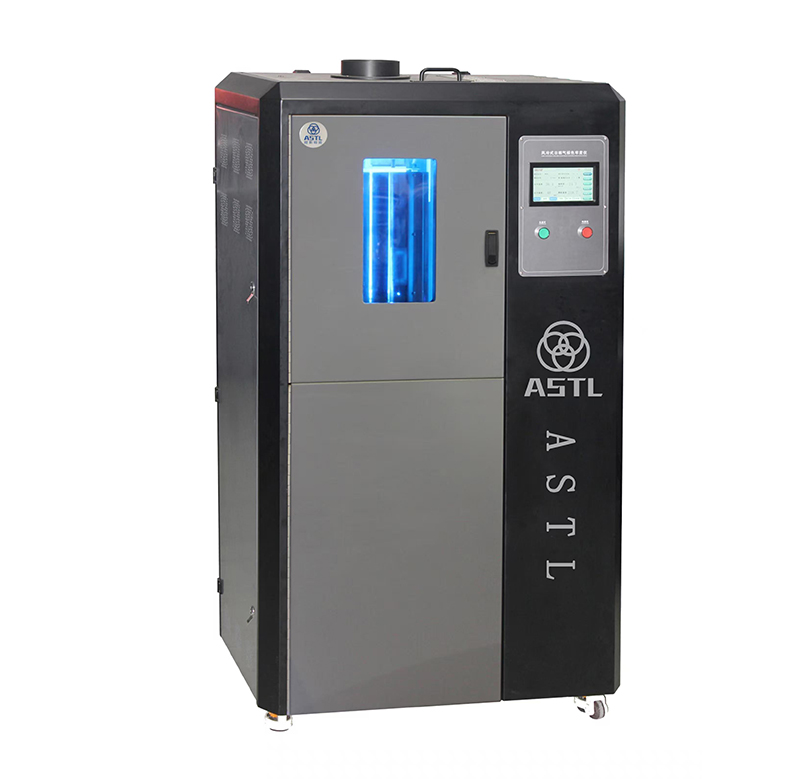
1. Expose fabric to Xenon Arc Lamp.
2. Compare fading to blue wool reference.
· To Perspiration (ISO 105-E04)

1. Soak fabric in acidic or alkaline sweat solution.
2. Stack with multifiber cloth.
3. Incubate under weight and heat.
4. Evaluate staining and color change.
· To Chlorinated Water (ISO 105-E03)
1. Treat with chlorinated water.
2. Rinse and assess discoloration.
5. Fiber Composition & Identification
Objective: Determine material content and blend ratios.
Testing Workflow:
· Microscopy
1. Prepare cross-sections.
2. View under polarized or optical microscope.
· Burn Test
1. Carefully ignite a fiber sample.
2. Observe flame behavior, smell, and ash.
· Solubility Test
1. Dissolve samples in selective reagents (e.g., sulfuric acid, acetone).
2. Observe dissolution behavior.
· Quantitative Analysis (ISO 1833)
1. Chemically dissolve one fiber type.
2. Dry and weigh remaining portion.
3. Calculate blend ratio.
6. Ecological & Safety Compliance Testing
Objective: Ensure regulatory compliance for health and environment.
Procedures:
· Azo & Carcinogenic Dyes
o Extraction and reduction followed by chromatography.
· Heavy Metals
o Wet digestion + ICP-MS or AAS.
· Phthalates
o GC-MS analysis of plasticized coatings or finishes.
· Organotins & PCP
o Solvent extraction followed by gas chromatography.
· Compliance Standards Reference
o OEKO-TEX® Standard 100
o REACH (EU Regulation)
o CPSIA (U.S. Consumer Product Safety Improvement Act)
o GB 18401 (Chinese National Standard)
Final Thoughts
These detailed testing steps offer a comprehensive framework for evaluating fabric quality across physical, chemical, and ecological dimensions. Textile professionals should integrate these standardized methods with precision instruments to meet global market requirements, consumer expectations, and safety regulations.
For advanced tools and equipment to conduct these tests, explore our collection of textile testing machine

点击右上角
分享给朋友吧







 Long by picture save/share
0
Prev : A Breakdown of Common Clothing Fabrics: What You Don’t Know as a Consumer or Fabric Buyer
Next : Light Fastness Tester: Comprehensive Guide to Function, Use, and Industry Applications
Your liking is the energy source that I persist in writing
YouArticle
已有0人推荐
CONTACT US
 No. 94, Chenwu Section, Guantai Road, Houjie
Town, Dongguan City
 E-mail: sarah@astrand-martindale.com
jack@astrand-martindale.com
 Tel: (+86) 186 8867 2626 Jack
 Tel: (+86) 130 668 20203 Sarah
HOT TAGS
LATEST NEWS
SUBSCRIBE
Please read on, stay posted, subscribe, and we welcome you to tell us what you think.
Copyright © 2022 Dongguan Astrand Electronic Technology Co., Ltd. All Rights Reserved | Log in
Copyright © 2022 Dongguan Astrand Electronic Technology Co., Ltd. All Rights Reserved